Komfort Auto Parts Komfort Auto Parts

China Factory Train Bogie Part Braking System Composite/High Phosphorus Cast Iron/Powder Metallurgical Brake Shoe for Railway

Customization: Available
After-sales Service: Yes
Warranty: 1 Year

Product Description

Railway Brake Shoe Banner

Technical Specifications

Model NO.
Brake Shoe
Certification
ISO9001
Type
Brake Shoe
Product Name
Railway Brake Shoe
Material
Composite, High Phosphorus, Powder Metallurgy
Process
Casting, Forge
Application
Railway Wagon, Passenger Car etc.
Trademark
XRD
HS Code
8418612090
Capacity
10,000 Units

Packaging & Logistics

Package Size
40.00cm * 30.00cm * 30.00cm
Gross Weight
2.000kg
Transport Package
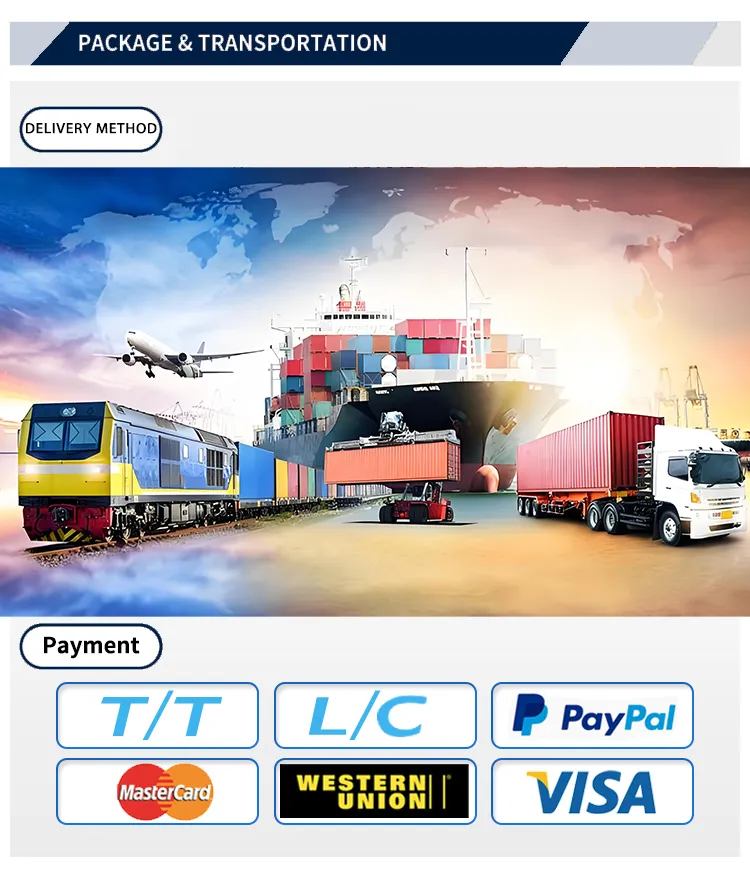
Standard Carton Packing

Product Description

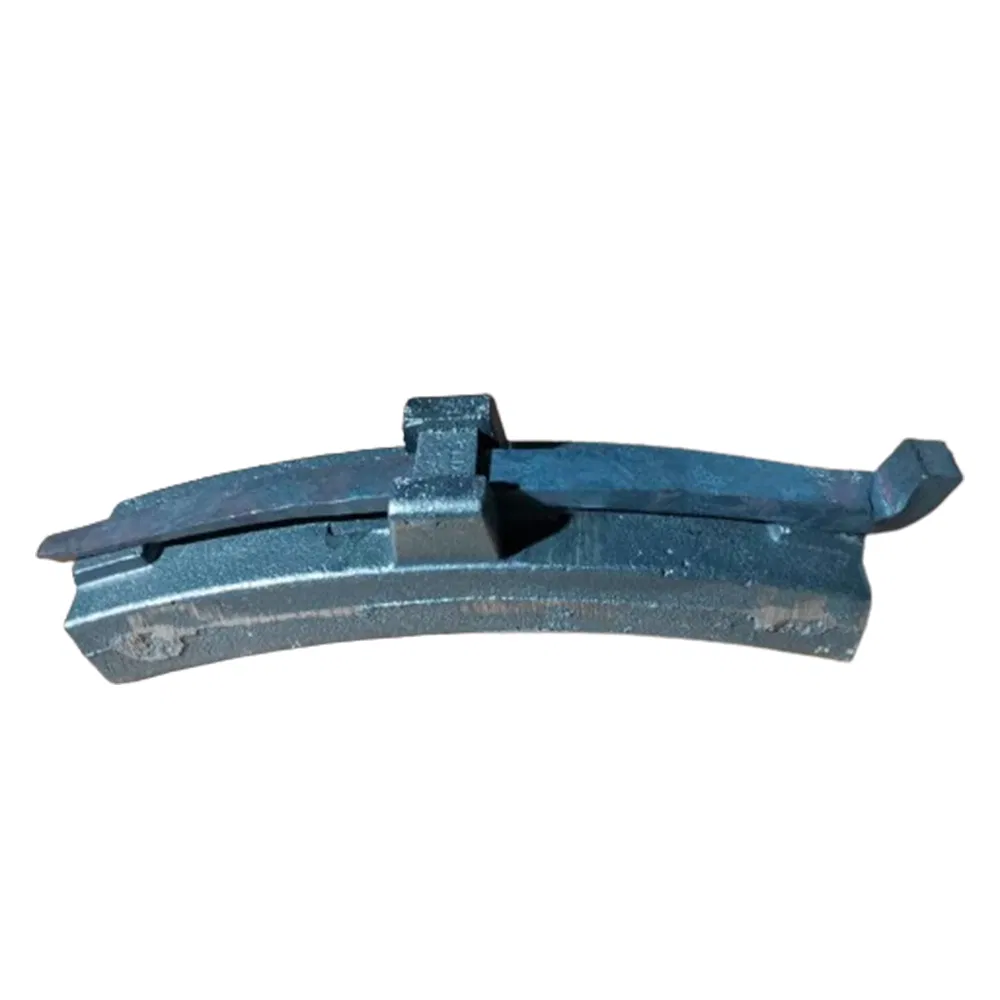
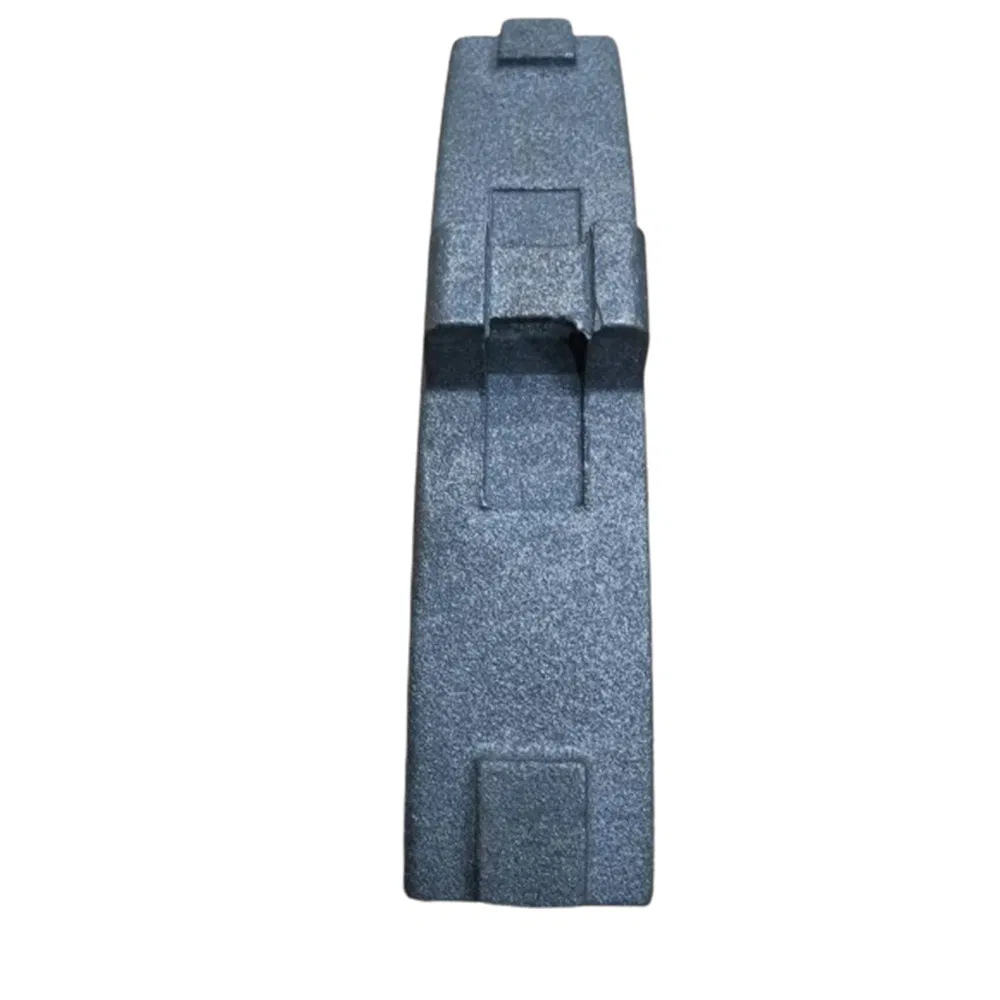
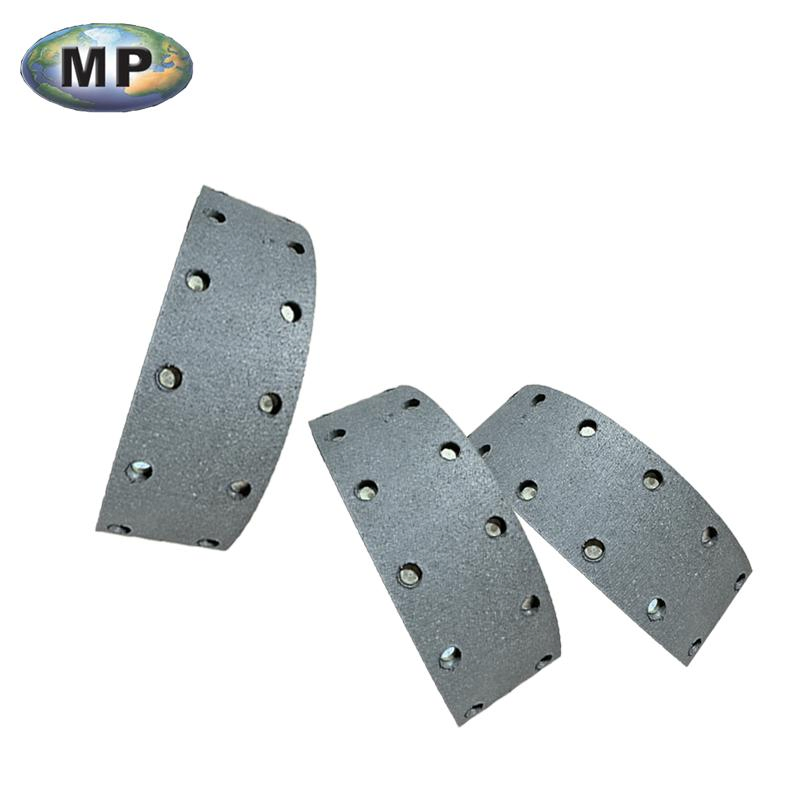
The brake shoe is the critical component in a train's braking system that directly rubs against the wheel to create friction and stop the vehicle. These tile-shaped blocks, made from cast iron, composite materials, or powder metallurgy, hold the wheel tread tightly to convert kinetic energy into thermal energy.

Commonly referred to as railway brake blocks or train brake blocks, they are primarily utilized for heavy-duty freight cars, passenger cars, and locomotives with speeds up to 120km/h and axle loads up to 25t.

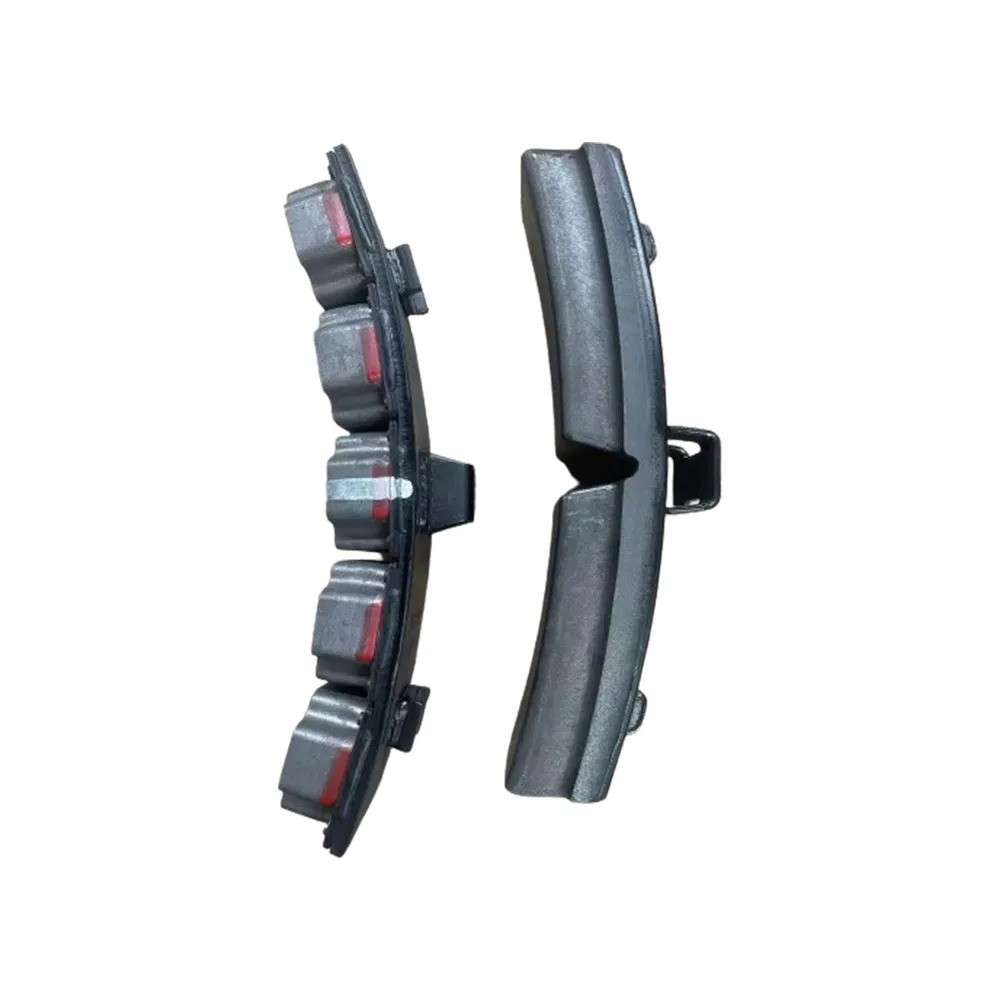
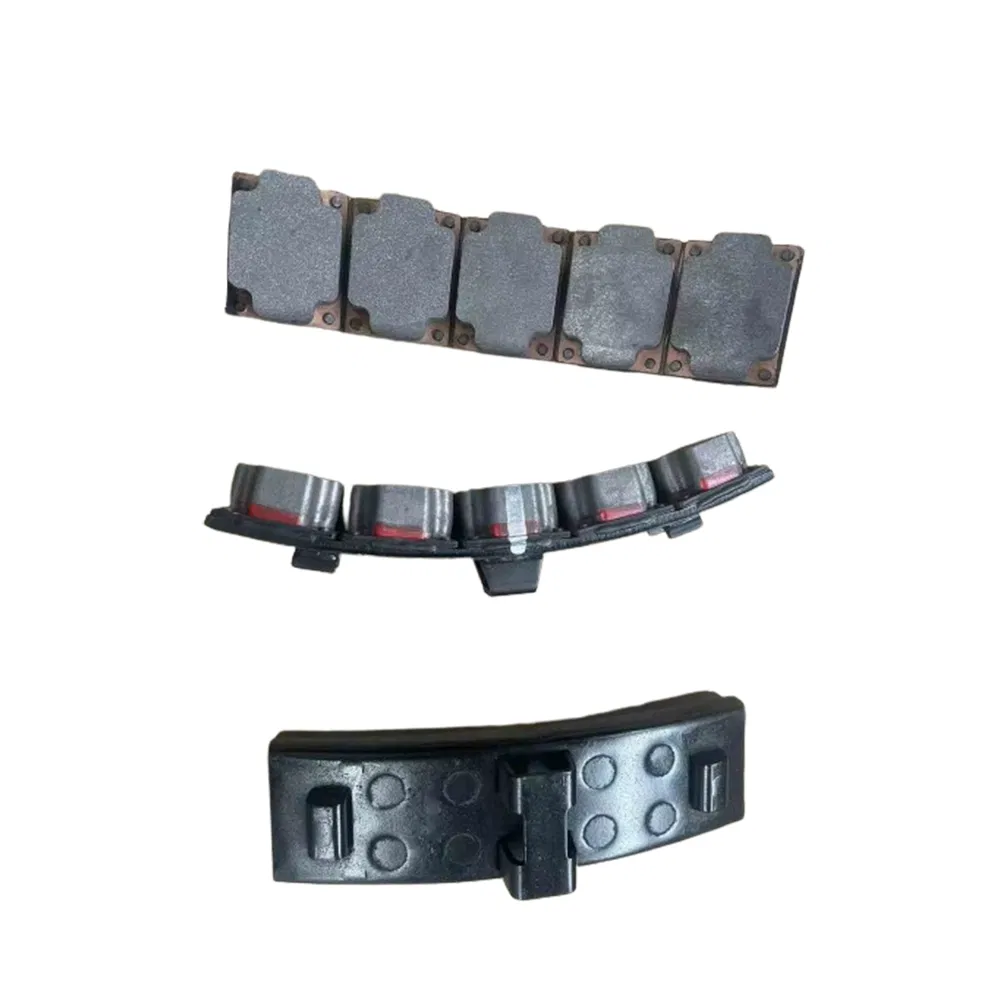
Composite Brake Shoes

Composite brake shoes are classified into two specific types: High friction coefficient (H) and Low friction coefficient (L). Note: "H" type shoes are not interchangeable with "L" type or traditional cast iron variants.
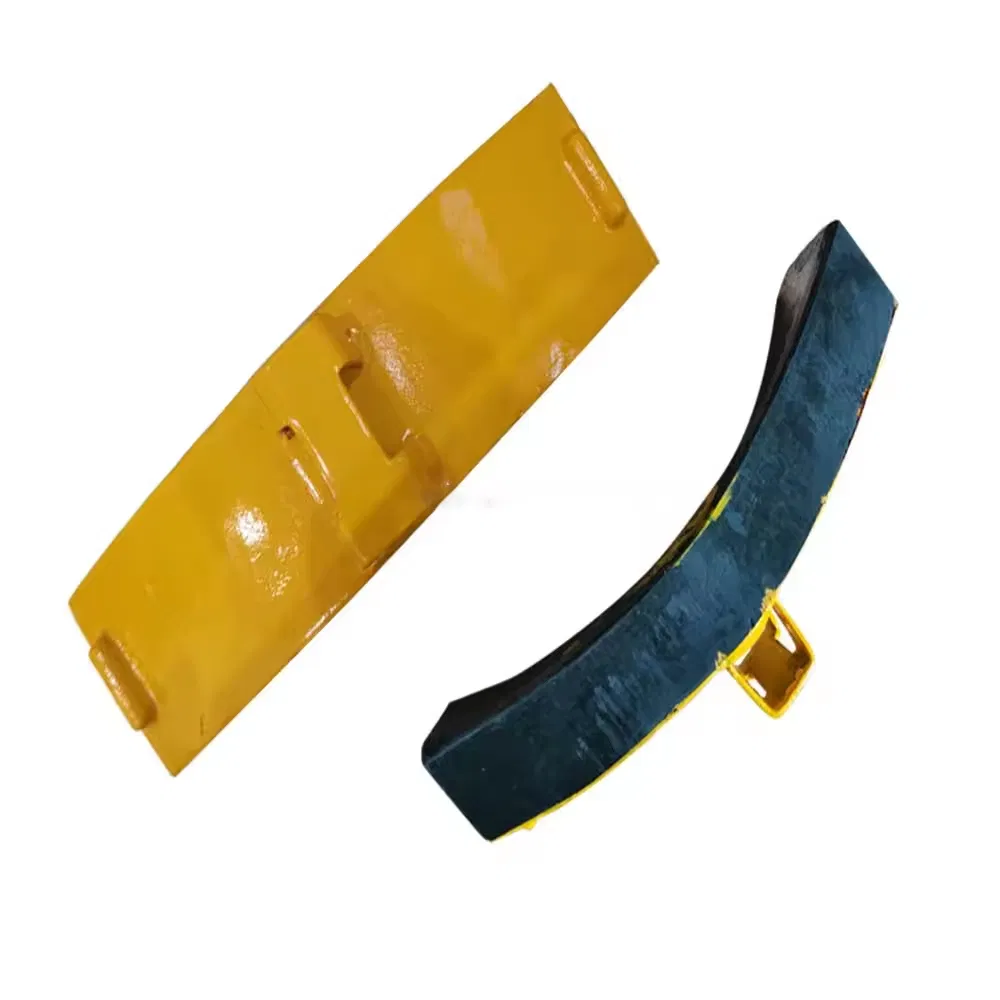
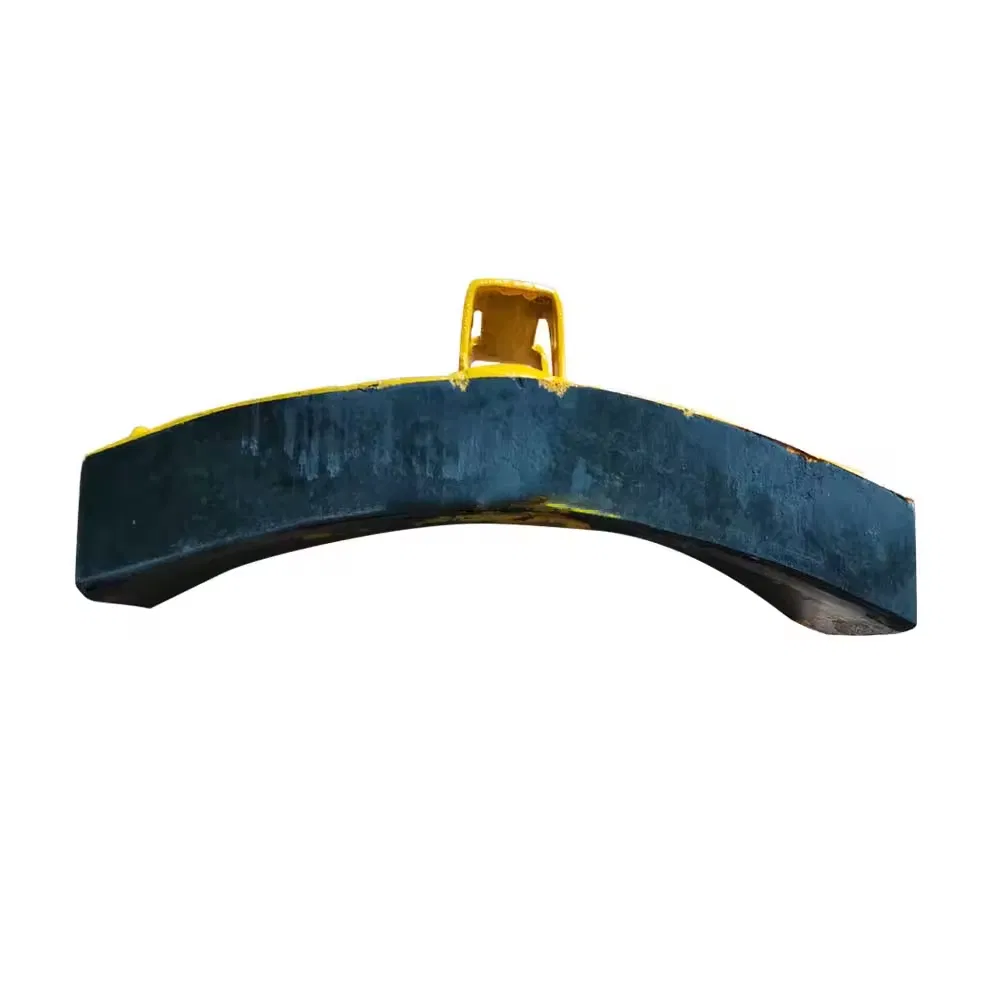
Composite Brake Shoe Type 1
Composite Brake Shoe Type 2

Powder Metallurgy Brake Shoes

Manufactured using metal powder as a matrix with added friction agents and lubricants, these are processed through high-temperature sintering (900-1050 ºC). They are available in low, standard, and high friction coefficient versions to meet diverse braking requirements.
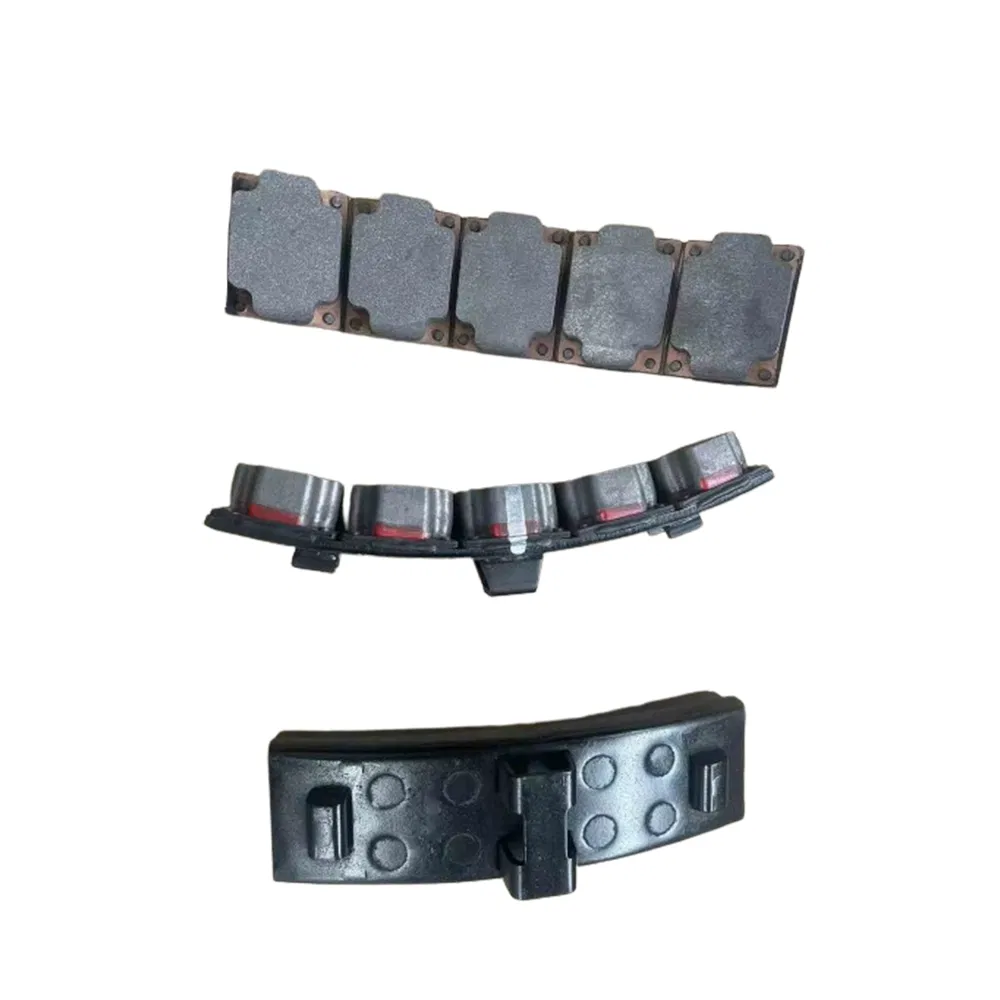
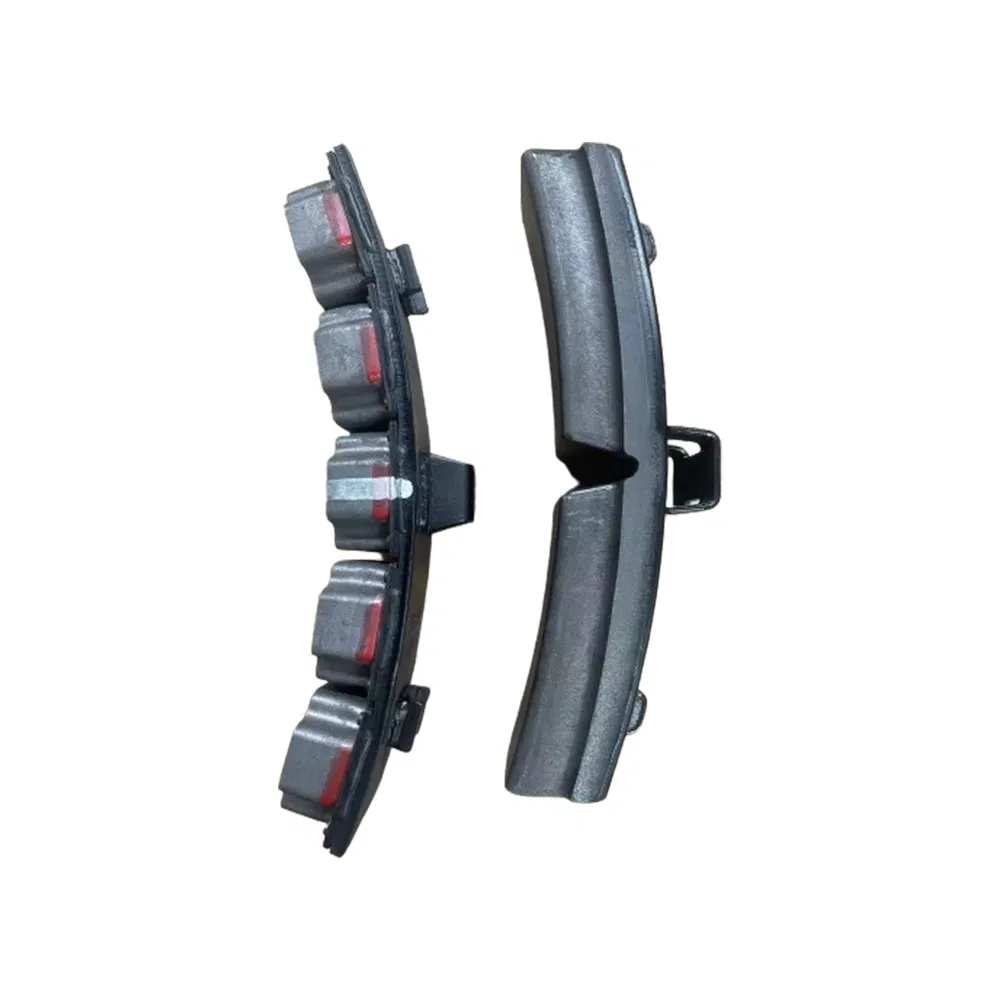
Powder Metallurgy Brake Shoe 1
Powder Metallurgy Brake Shoe 2

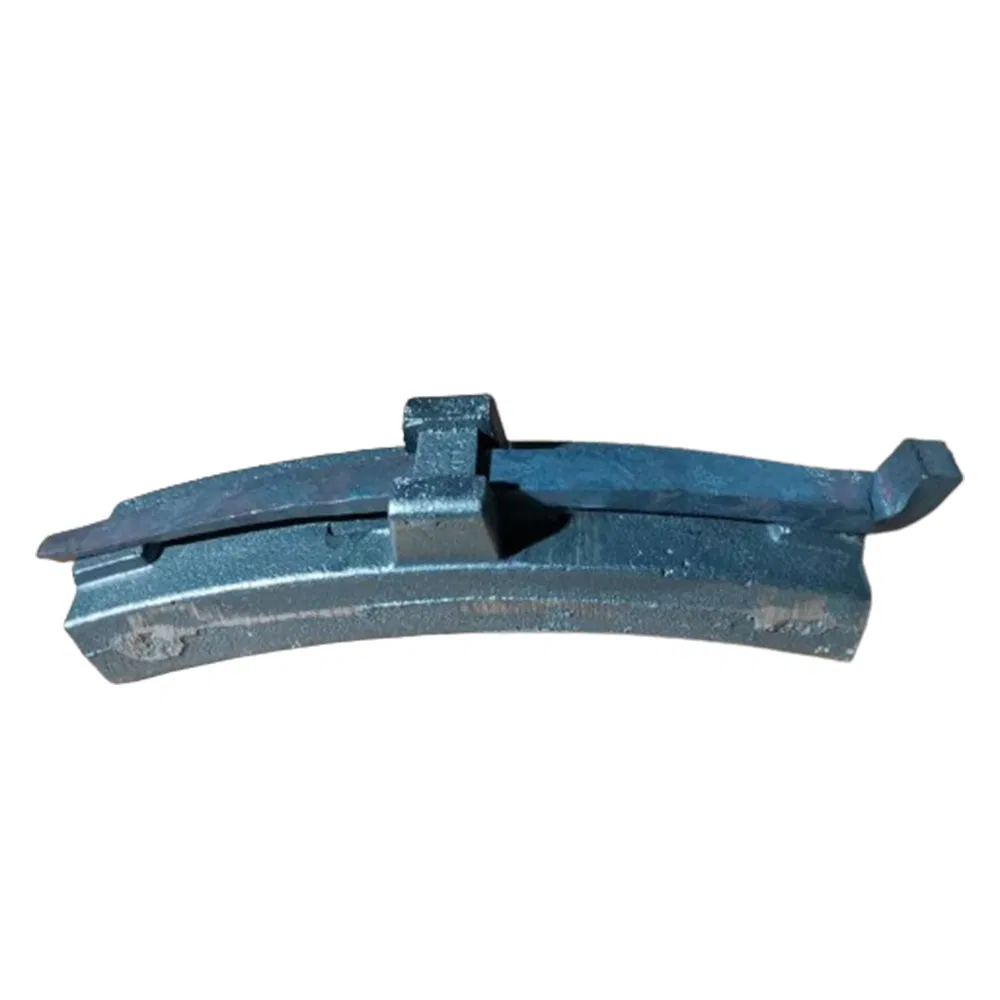
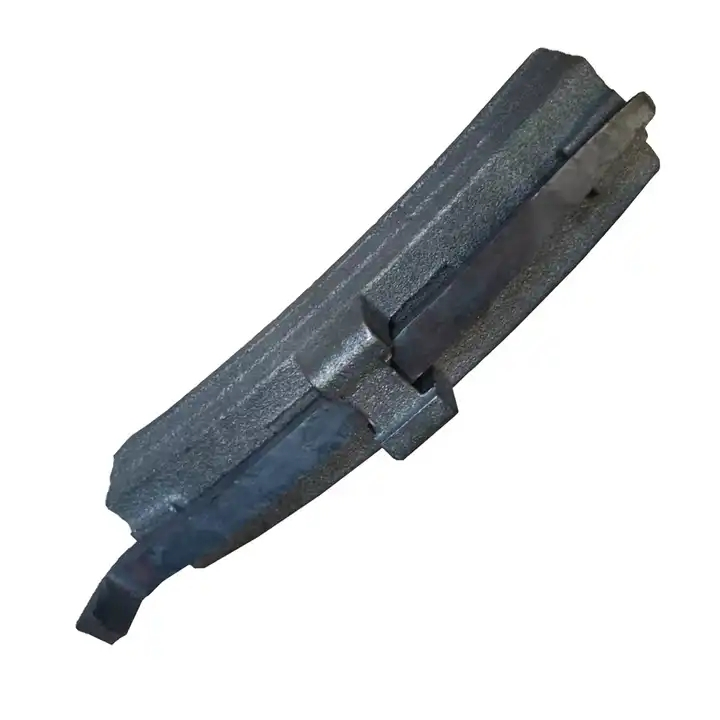
High Phosphorus Cast Iron Brake Shoes

  • Stable Friction: Phosphorus content (2.0%-2.5%) ensures a higher and more consistent friction coefficient.
  • Superior Durability: Offers approximately twice the wear resistance of medium phosphorus alternatives.
  • Operational Safety: Produces significantly fewer sparks, reducing fire risks in flammable environments.
  • Thermal Management: Excellent heat dissipation ensures system stability and extends wheel service life.
  • Economic Efficiency: Simple manufacturing process via cupola furnaces keeps costs low while maintaining performance.
High Phosphorus Brake Shoe 1
High Phosphorus Brake Shoe 2

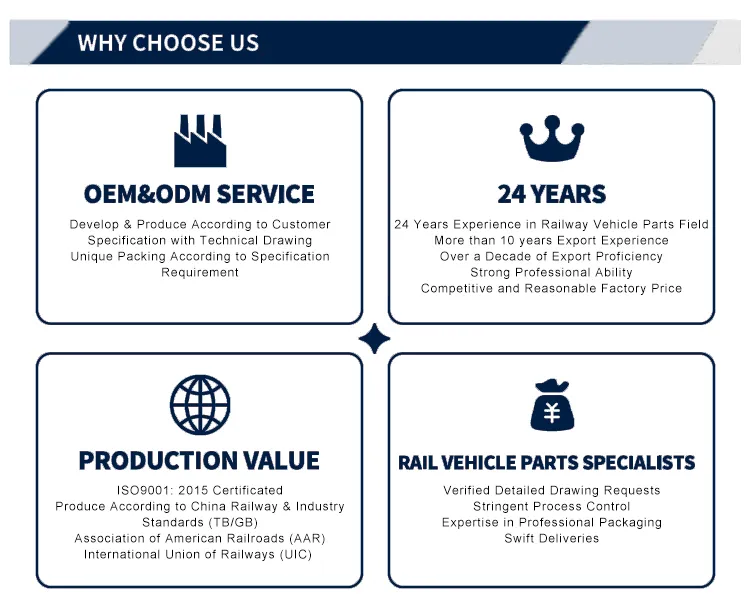
Quality Control & Standards

Quality Control Process
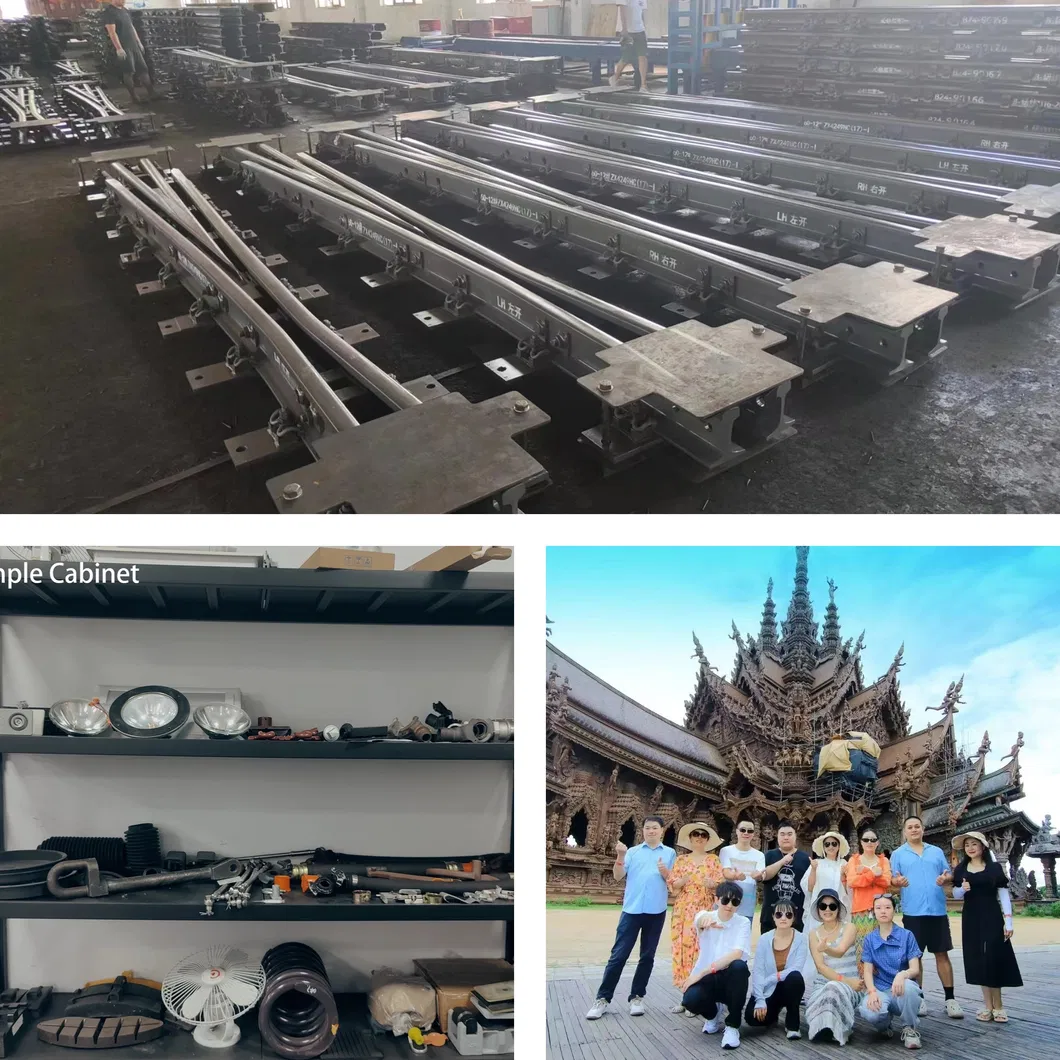
Production Facility
Testing Equipment
Railway System Parts

Frequently Asked Questions

What factors should I consider when selecting railway brake shoes?
Key factors include compatibility with your existing track system, adherence to international quality standards, durability under specific load requirements, and cost-effectiveness over the product's lifespan.
How do you ensure the quality and safety of your brake components?
Quality is ensured through rigorous testing procedures, sourcing from certified manufacturers, and strict compliance with industry regulations to guarantee optimal performance.
Are customized solutions available for specific rail projects?
Yes, we provide tailored solutions designed to meet specific project requirements and technical specifications through our expert engineering support.
Do you offer technical support for installation and maintenance?
We provide comprehensive technical support and after-sales service, assisting with installation, routine maintenance, and troubleshooting.
What are the shipping options for international orders?
We offer international shipping to various global destinations. Shipping arrangements and costs are calculated based on the specific destination and order volume.
What is the difference between high and low friction composite shoes?
High friction (H) and Low friction (L) shoes are designed for different braking systems and operating speeds; they are not interchangeable and must match the locomotive's design specifications.

Related Products