Komfort Auto Parts Komfort Auto Parts

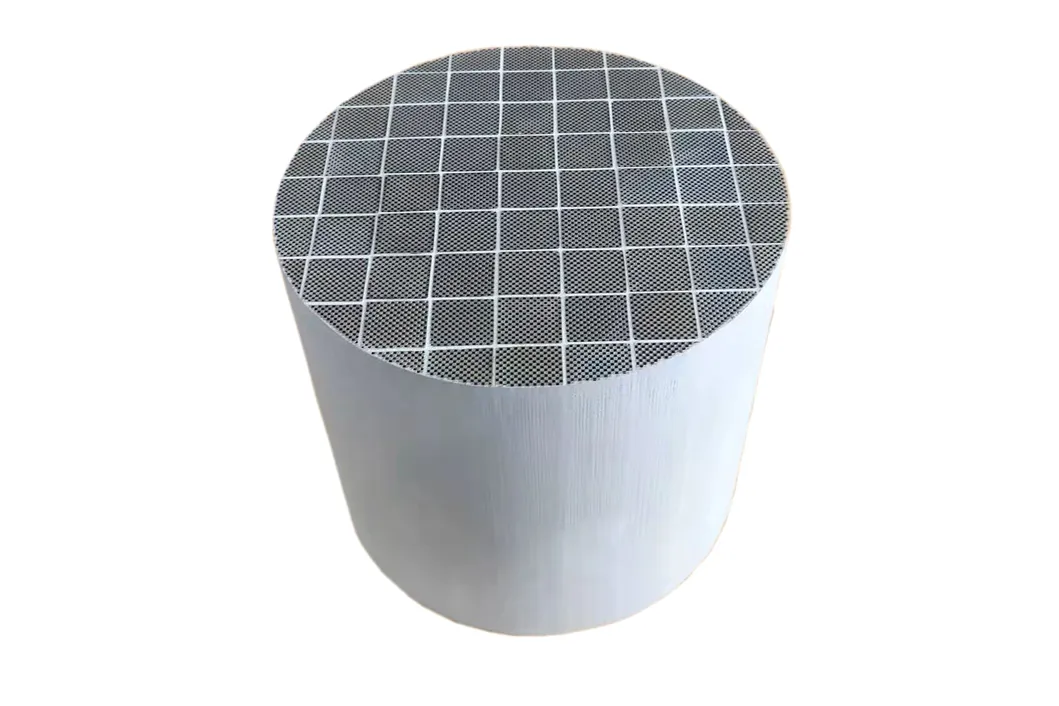
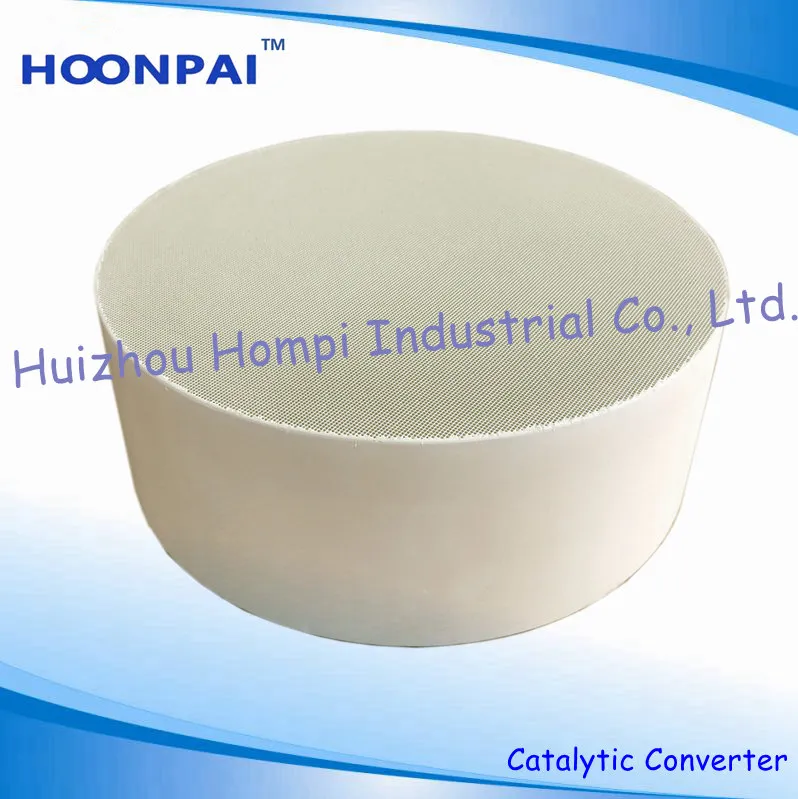
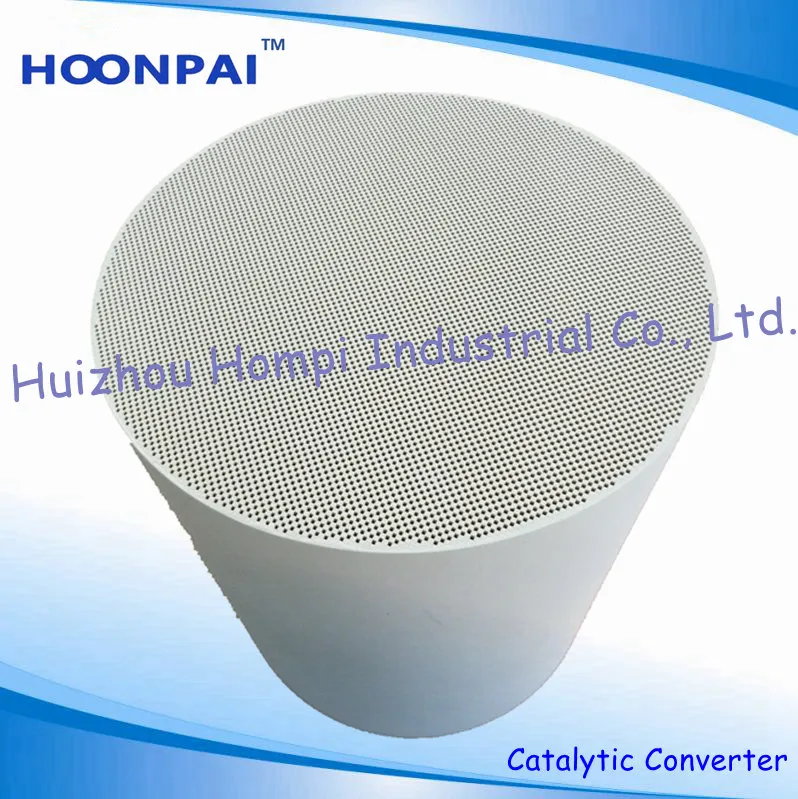
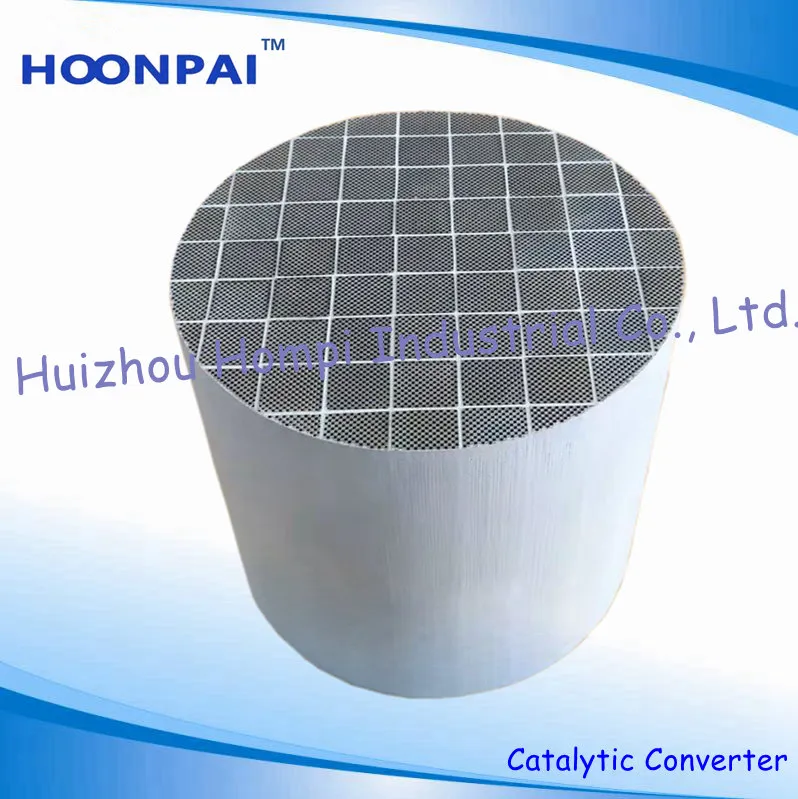
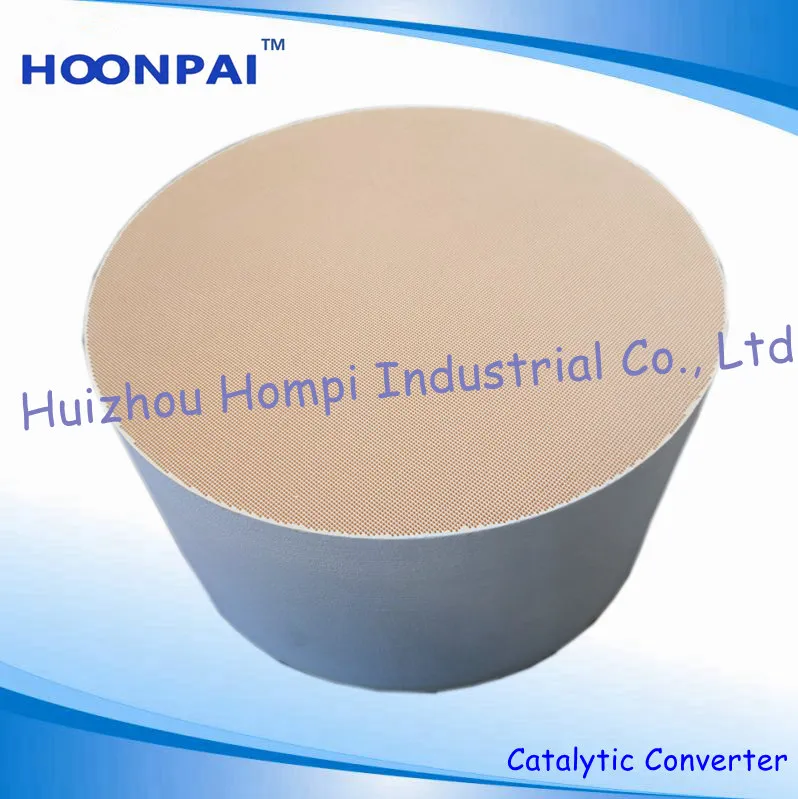
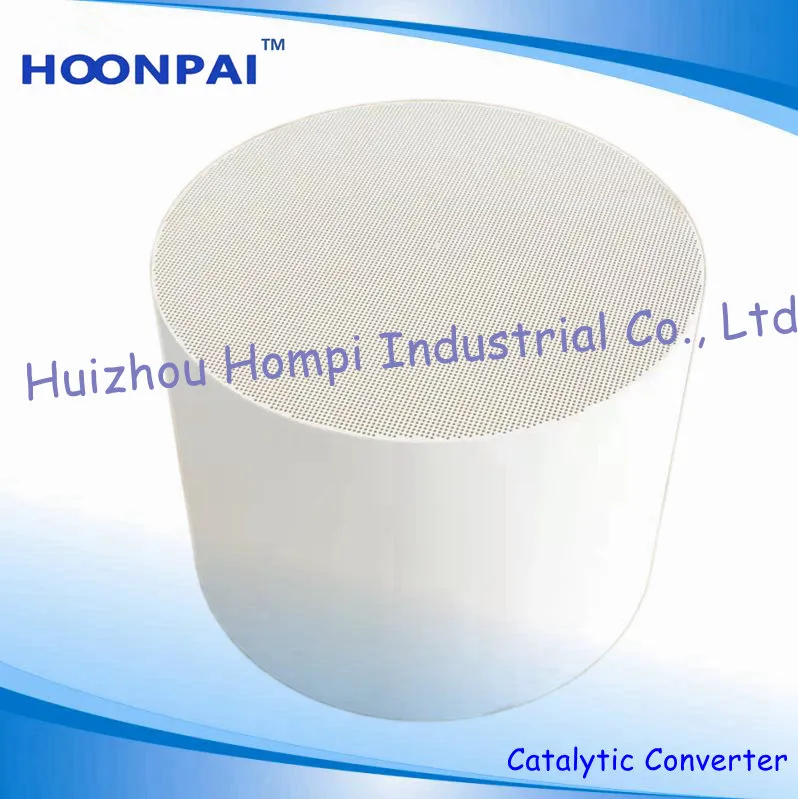
Car Parts Ceramic Substrate SCR Doc DPF Diesel Filter Catalyst Converter for Truck Exhaust System

Still deciding? Get samples of $ !
Order Sample

Product Description

Basic Information
Engine Type
Diesel
Type
Catalytic Converter
Discharge Standard
Euro V Euro VI
Certification
ISO9001, TS16949, CE, RoHS, E-Mark, COP, CCC
Noise Source
The Noise of Engine
Main Market
Europe
Shape
Round, Oval
Lead Time
20 Days
Weight
2 Kg
Origin
China
Packaging & Delivery
Package Size
30.00cm * 40.00cm * 50.00cm
Gross Weight
10.000kg
Transport Package
Paper Carton with Pallet
Product Description
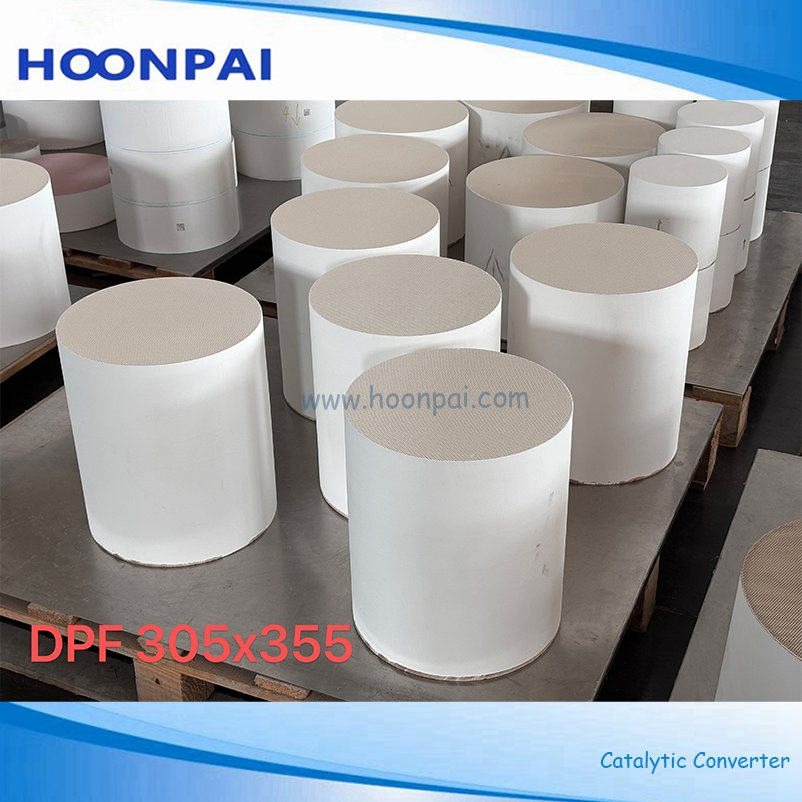
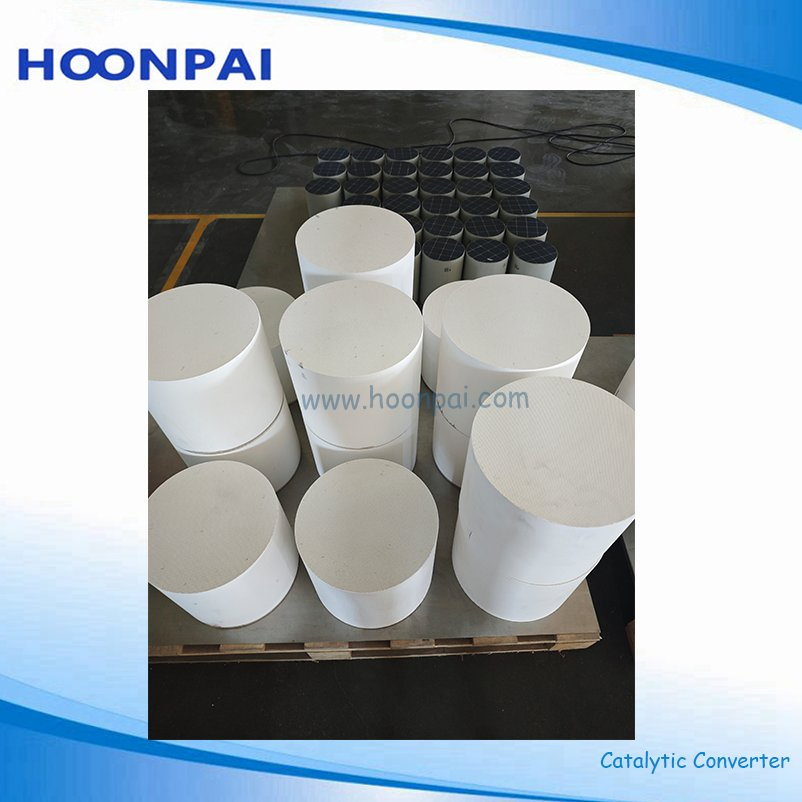
DPF Ceramic Substrate
🛡️ DPF INTRODUCTION

DPF is the only option to satisfy particle number emissions. Common DPF support materials are ceramics, aluminum titanate and silicon carbide. The choice of carrier material is mainly based on the use of DPF and regeneration strategy, including carbon back pressure, filtration efficiency, regeneration temperature, time and so on. Our DPF coating technologies are based on a high thermal stable wash coat formulation with excellent NO2 formation.
DOC Catalyst
⚙️ DOC INTRODUCTION

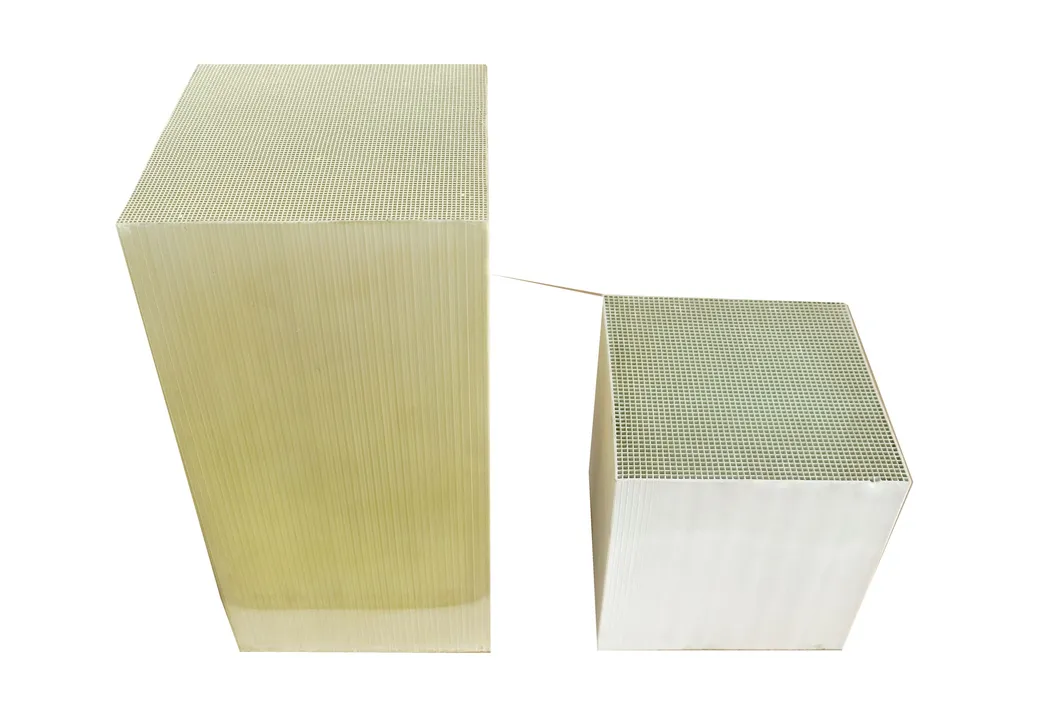
DOC is one of the most important catalysts for diesel engine reprocessing. Its main function is to oxidize the unburned hydrocarbons (HC) in the engine and the carbon monoxide (CO) produced during combustion into harmless water and carbon dioxide. It also converts NO into NO2 for passive regeneration of downstream catalyst particle trap (CDPF) and improves NOx conversion efficiency of SCR.
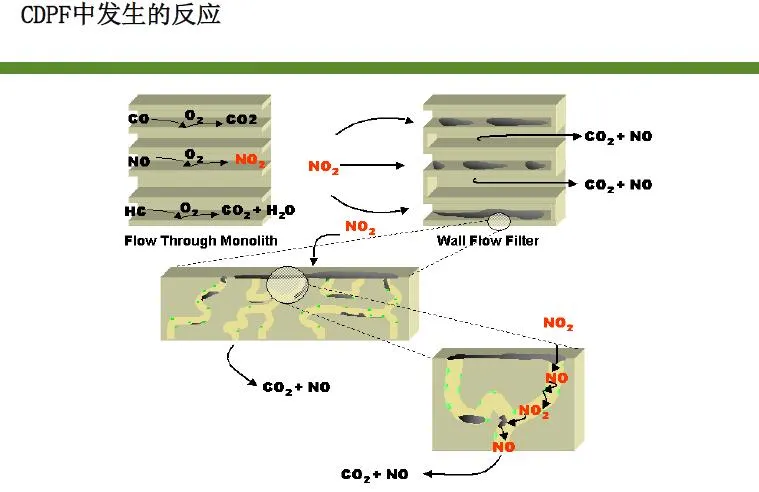
Working Principle: DOC + CDPF
Working Principle

DOC: Oxidation of NO to NO2 and removal of CO and HC.

CDPF: The captured carbon particles react with NO2 at low temperature to produce CO2 emissions.

Reactions in CDPF: The NO produced by the reaction of NO2 with carbon particles is oxidized to NO2 again, then continues to react with carbon particles for continuous utilization.
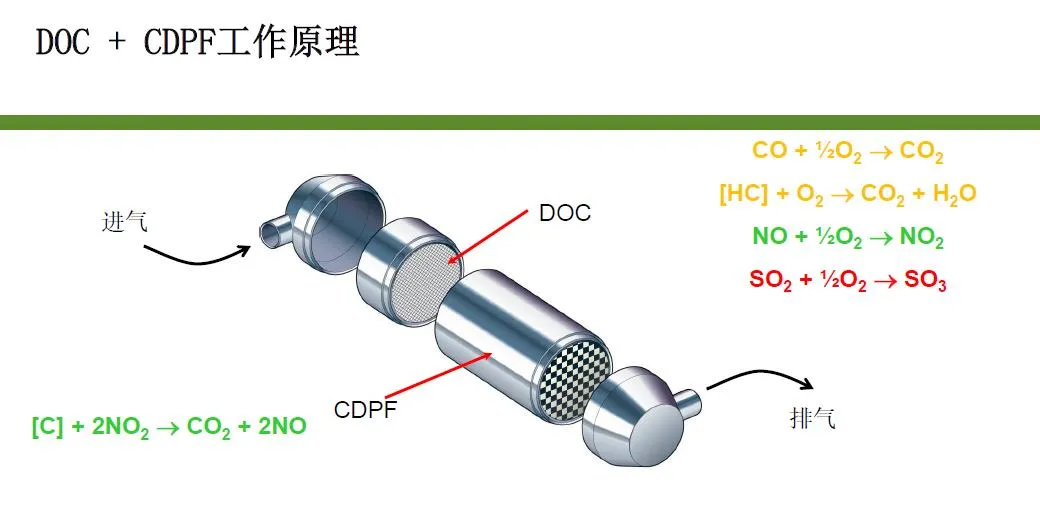
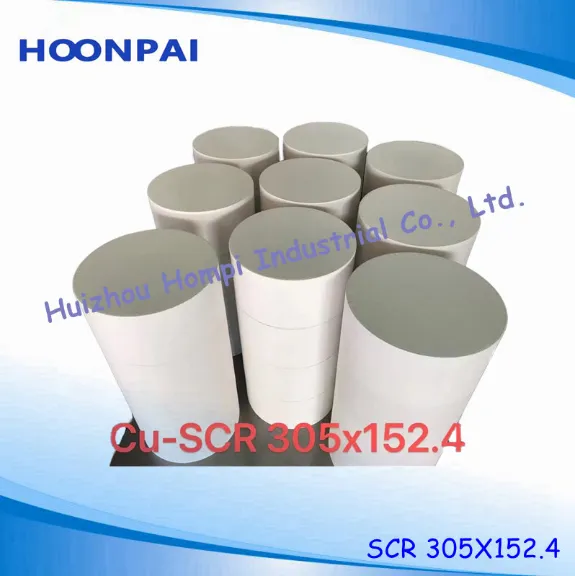
Principle Diagram
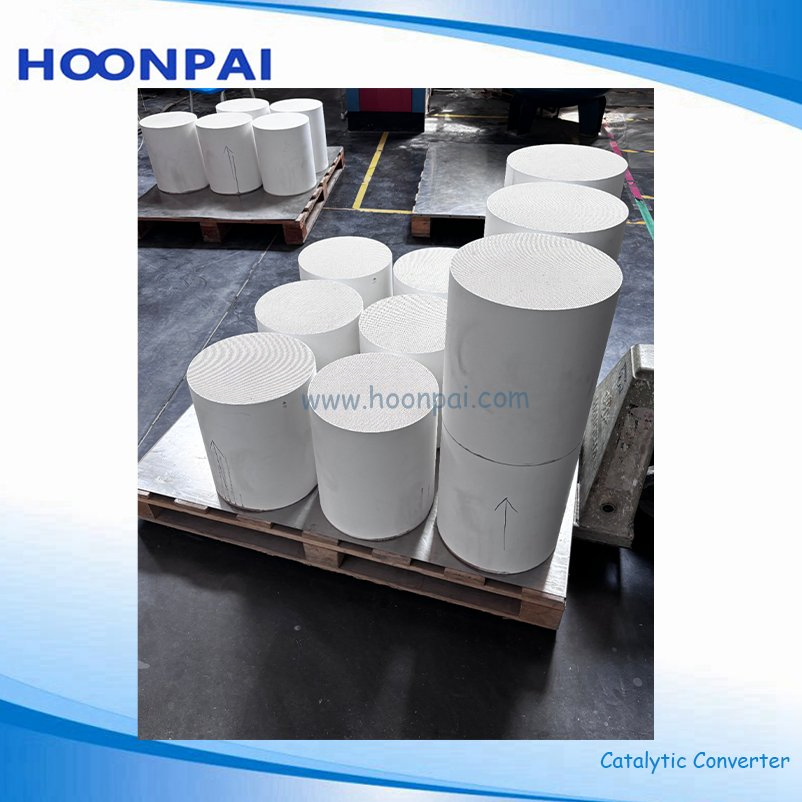
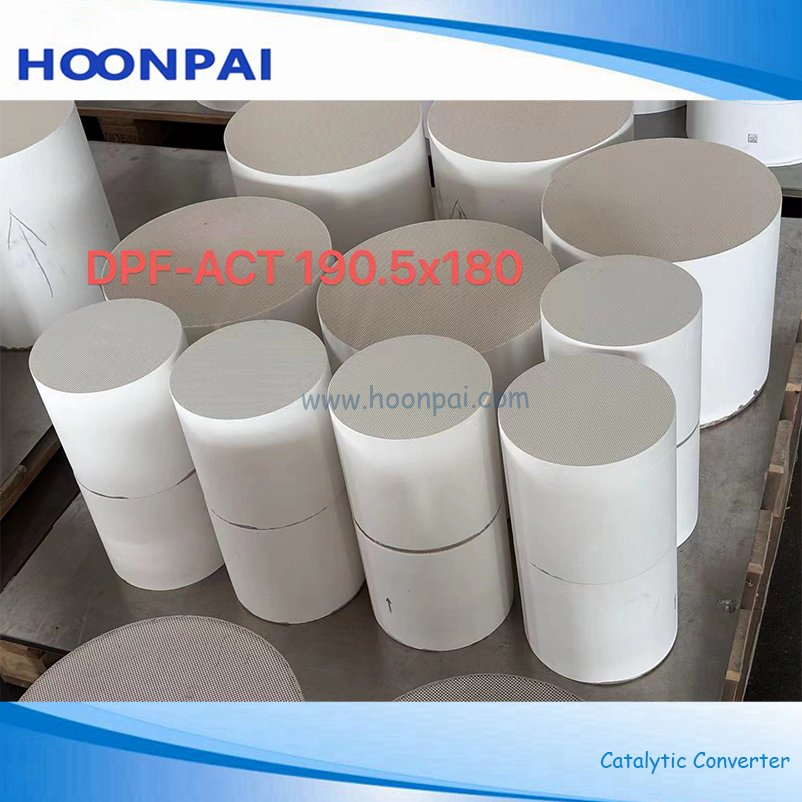
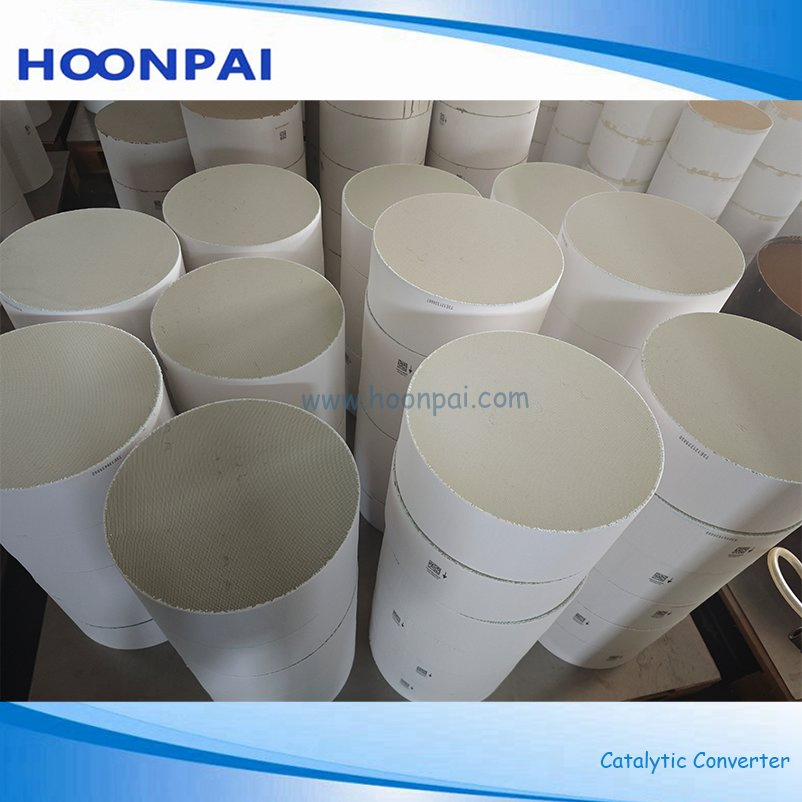
Catalytic Converter Gallery
Gallery 1
Gallery 2
Gallery 3
Gallery 4
Gallery 5
Gallery 6
Product Advantages
  • Excellent thermal shock resistance.
  • Unique cellular designs reduce metal liquid vortex and casing bubbles.
  • Accurate extrusion die ensures stable and consistent product quality.
  • Obvious filter effect.
  • Improving casting surface performance and density.
  • Improving metal structure and quality to prolong casting life.
  • Good chemical stability, unaffected by melted metal.
  • Precise dimension for automatic filter mounting production lines.
Product Specifications
Type Diameter (mm) Height (mm)
DPFΦ143.8203
DPFΦ190.5152.4 / 203 / 254
DPFΦ241152.4 / 203 / 254
DPFΦ267203 / 228 / 254 / 305
DPFΦ305203 / 254 / 305
SubstrateΦ143.8101.6 / 152.4
SubstrateΦ241.2101.6 / 152.4
SubstrateΦ330101.6 / 152.4
Application Projects

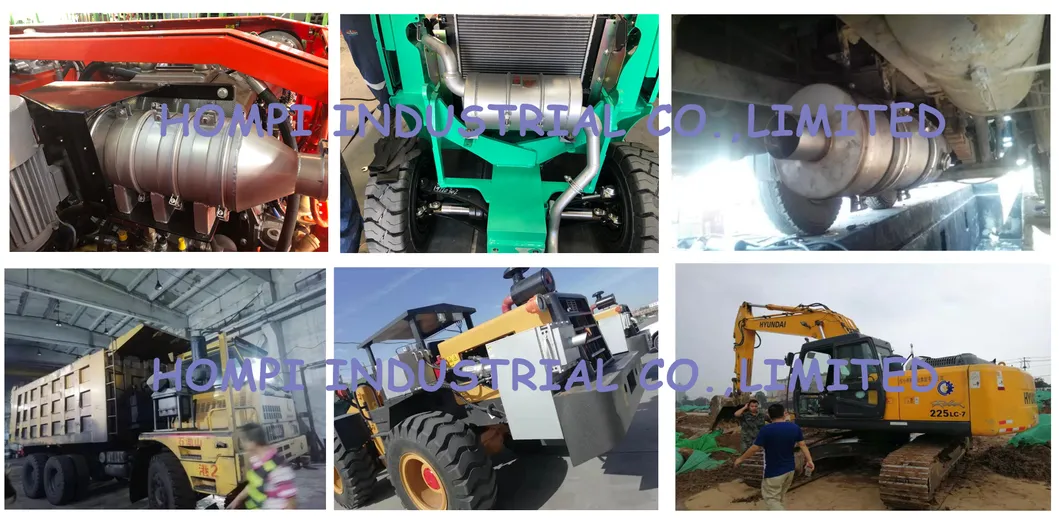
Project 1: Commercial Vehicles
• Euro 4, 5 catalysts (V-SCR, ASC)
• Euro 6 catalysts (DOC, Cu-SCR/Fe-SCR, CDPF, ASC)
• Non-road T4 catalysts.
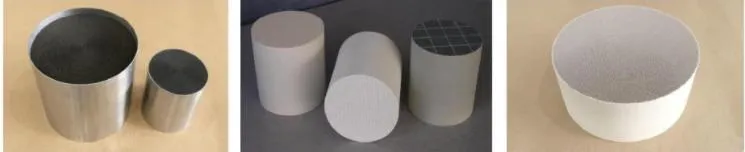
App 1

Project 2: Road Vehicles
• Euro III exhaust gas purification devices.
• Euro 4/5 aftermarket solutions.
• Global partnerships in Japan and Europe.
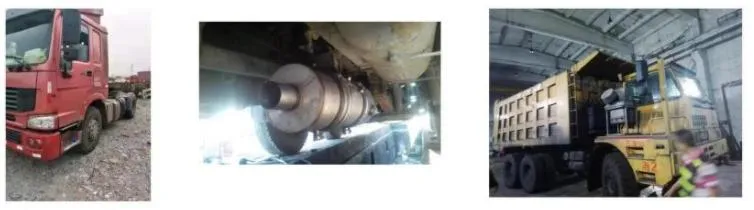
App 2

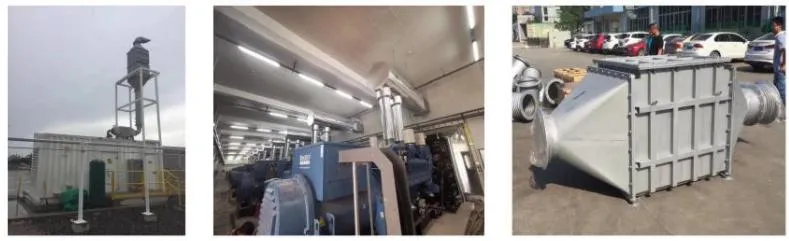
Project 3: Industrial & Stationary
• Industrial denitration and VOCs catalysts.
• Power plant and boiler denitrification.
• Waste incineration plants.
App 3
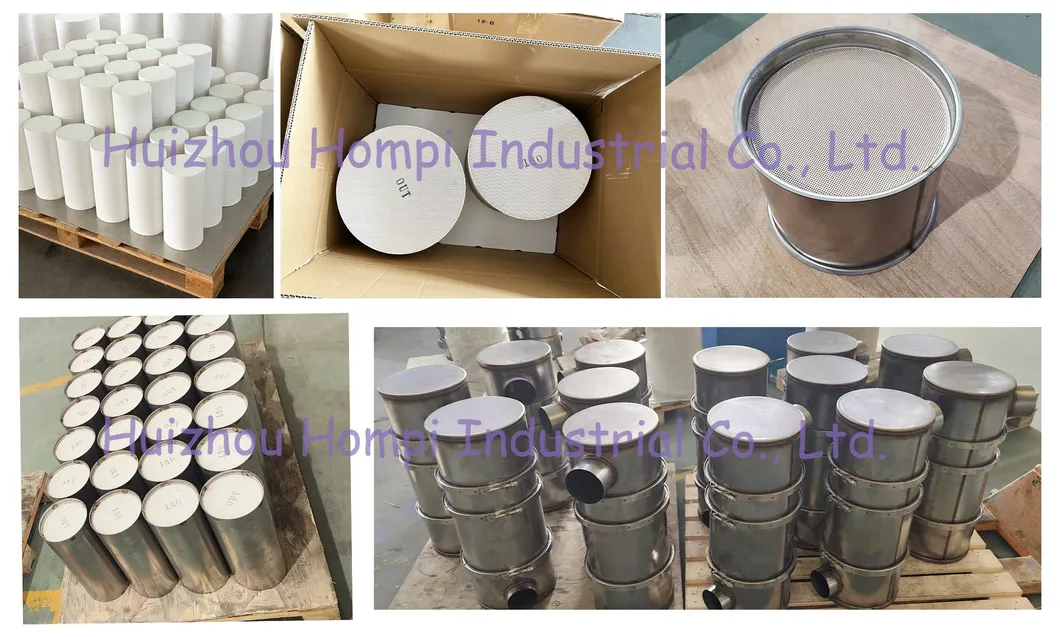
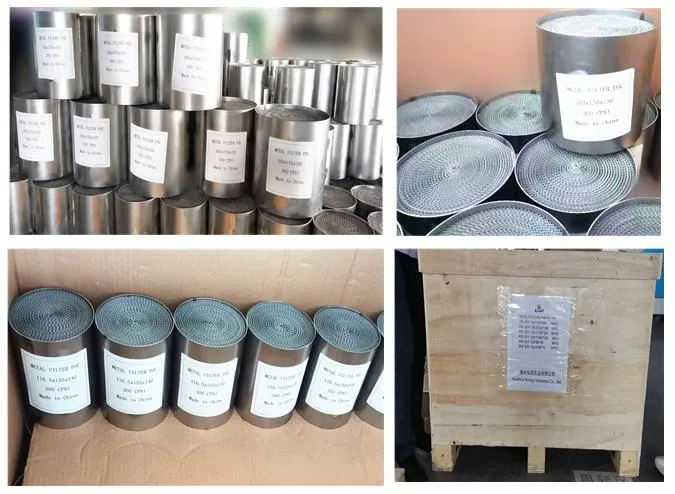
Production & Packing
Production 1
Production 2
Packing 1
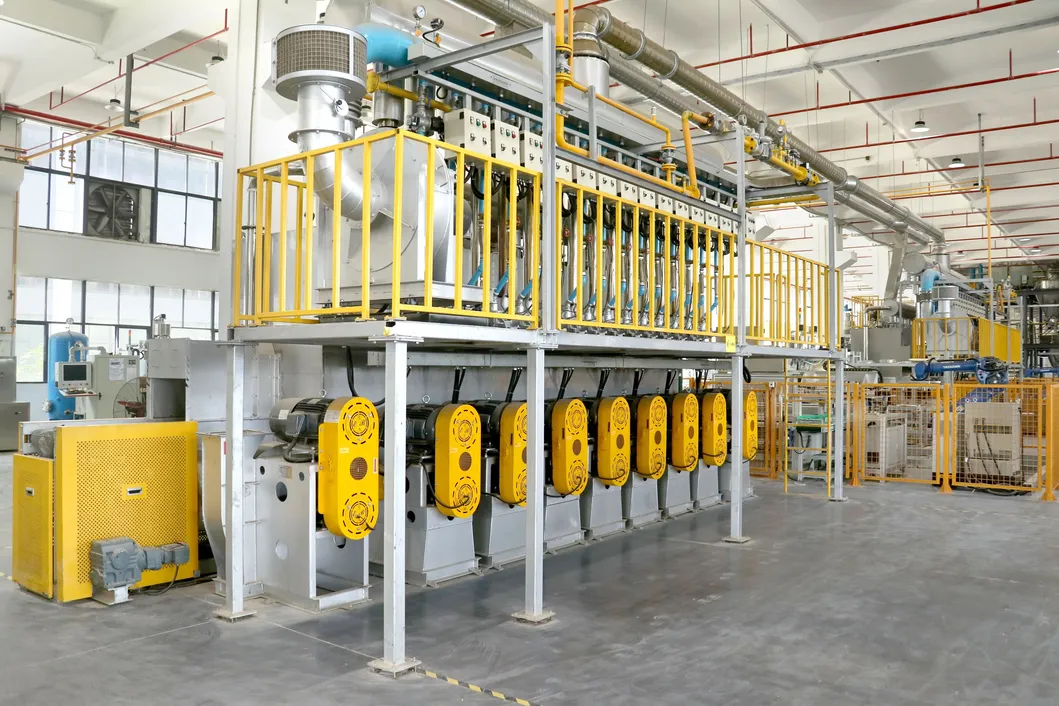
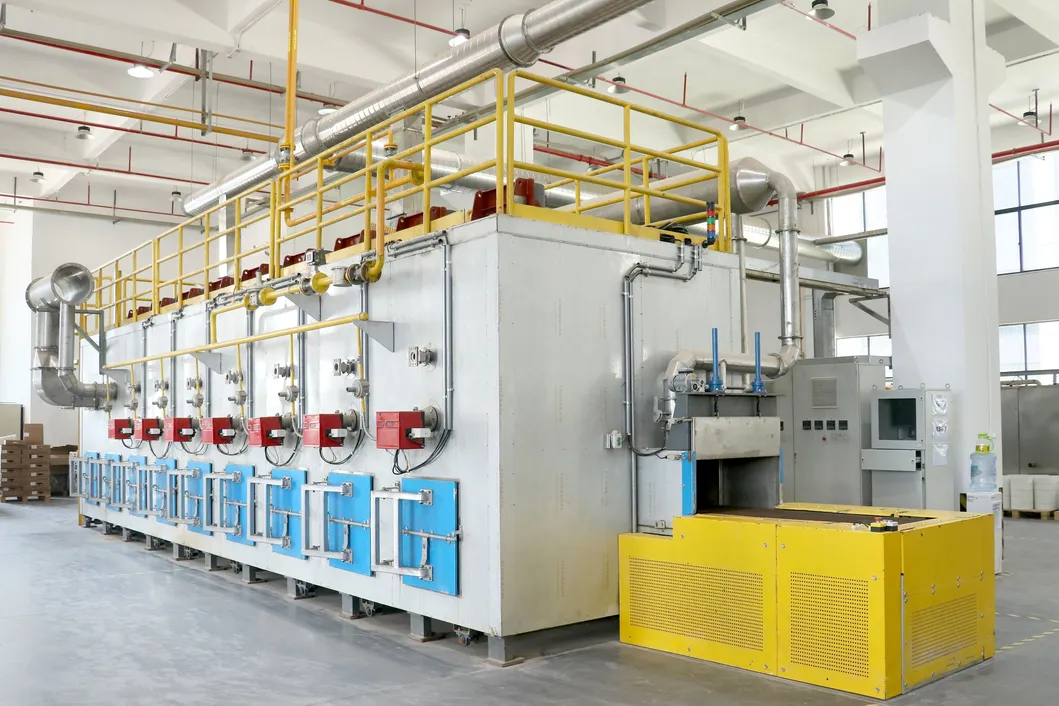
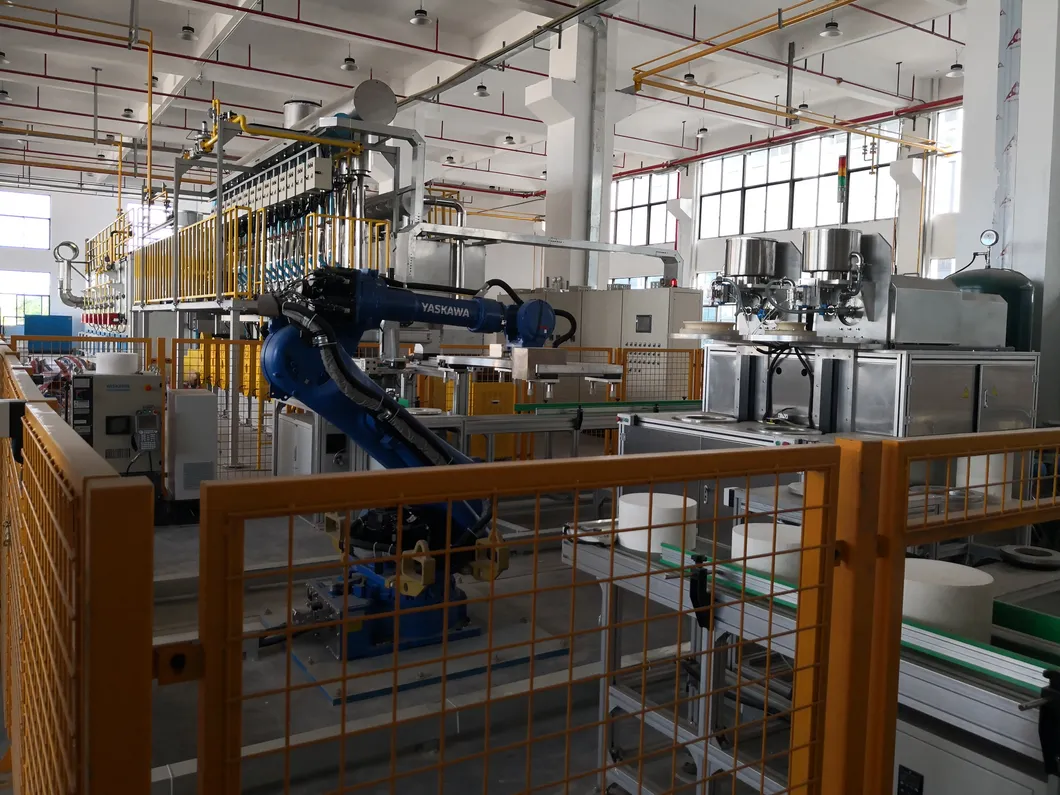
Production Line 1
Production Line 2
Production Line 3
Frequently Asked Questions
What are the primary materials used in your DPF?
Our DPF supports are commonly made from high-quality ceramics, aluminum titanate, and silicon carbide, chosen based on filtration efficiency and thermal requirements.
How does a DOC catalyst improve vehicle emissions?
The DOC oxidizes unburned hydrocarbons (HC) and carbon monoxide (CO) into harmless water and carbon dioxide, while also converting NO to NO2 to assist downstream DPF regeneration.
Which emission standards do these products meet?
Our catalytic converters are designed to meet Euro III, Euro IV, Euro V, and Euro VI standards for both road and non-road vehicles.
Can you provide customized dimensions for specific engines?
Yes, we provide standard specifications as listed, but we can also offer customized products according to specific customer engine emissions and input requirements.
What is the typical lead time for an order?
The standard lead time for our catalytic converter products is approximately 20 days, depending on the order volume and customization needs.
Are these suitable for industrial applications?
Absolutely. Besides vehicle use, we provide industrial denitration catalysts and VOC catalysts for power plants, chemical plants, and waste gas treatment systems.

Related Products