Komfort Auto Parts
Komfort Auto Parts
Komfort Auto Parts
Engineered for high thermal tolerance, critical diagnostics, and direct plug-and-play compliance in domestic transport ecosystems.
The Syrian automotive landscape, centered in Damascus and surrounding Governorates, presents distinct engineering challenges and procurement criteria for wholesale importers. With the stabilization of transport corridors connecting major logistical hubs like the Port of Lattakia, Beirut Port, and overland corridors, the demand for precision replacement parts—particularly engine management, emission controls, and electronic sensors—has experienced a major upsurge.
Unlike highly standardized Western markets, Damascus operates a diverse car parc. It features a heavy concentration of legacy European models, rapidly expanding fleets of Chinese passenger vehicles (such as BYD, Chery, BAIC, and Changan), and high-mileage commercial trucks that serve critical supply routes. In this operational theater, automotive sensor parts must withstand challenging environments:
Consequently, local automotive distributors, fleets, and repair networks in Damascus require components that do not merely mirror OEM form factor but match or exceed OEM structural tolerance and calibration longevity.
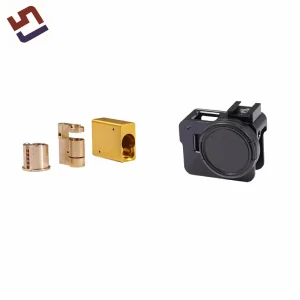
Engineered via custom CNC manufacturing setups, designed for extreme durability and precise parameter measurement across complex drivetrain configurations.
Global procurement directors and supply chain engineers evaluating components for import focus on a series of rigorous benchmarks. To ensure long-term functionality, parts must adhere to technical standards validated through systematic testing protocols. At Komfort, we meet these global guidelines directly, utilizing state-of-the-art laboratory testing and precise quality control procedures.
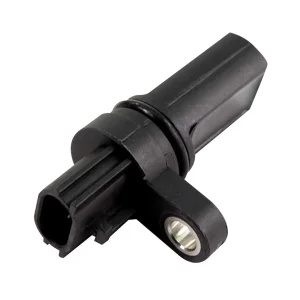
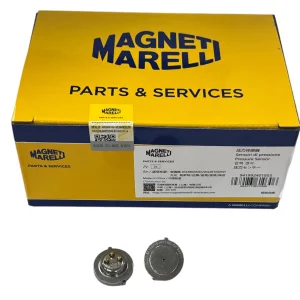
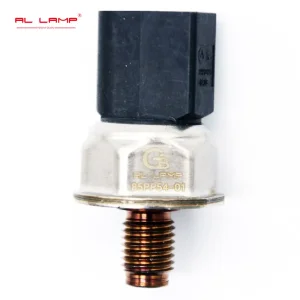
Engine sensors (such as crankshaft positioning sensors and common rail pressure sensors) work in extreme environments and rely on microscopic tolerances. For instance, common rail fuel pressure sensors require high tensile steel bungs manufactured via custom CNC turning centers. This process ensures threads match OEM pressure ports precisely, preventing fuel micro-leaks under pressures that can exceed 2,000 bar.
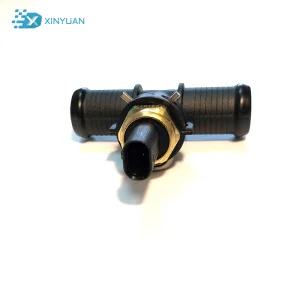
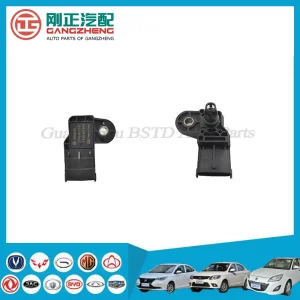
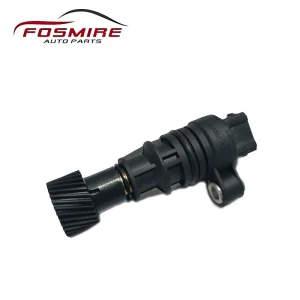
Intake manifold temperature sensors and odometer sensors require precise resistance-temperature profiles (NTC/PTC thermistor curves). Inaccuracies in sensor feedback to the Engine Control Unit (ECU) can result in incorrect air-fuel mixtures, rough idling, increased carbon buildup, and catalytic converter damage. Our sensors undergo extensive calibration mapping to guarantee consistent performance within a -40°C to +150°C operating window.
Modern vehicle engine bays are dense with high-frequency electronic noise generated by spark plugs, alternators, and mobile electronic units. Our sensors feature internal shielding and decoupling capacitors designed to filter electromagnetic interference (EMI). This design ensures stable analog and digital signals reach the vehicle’s diagnostic bus.
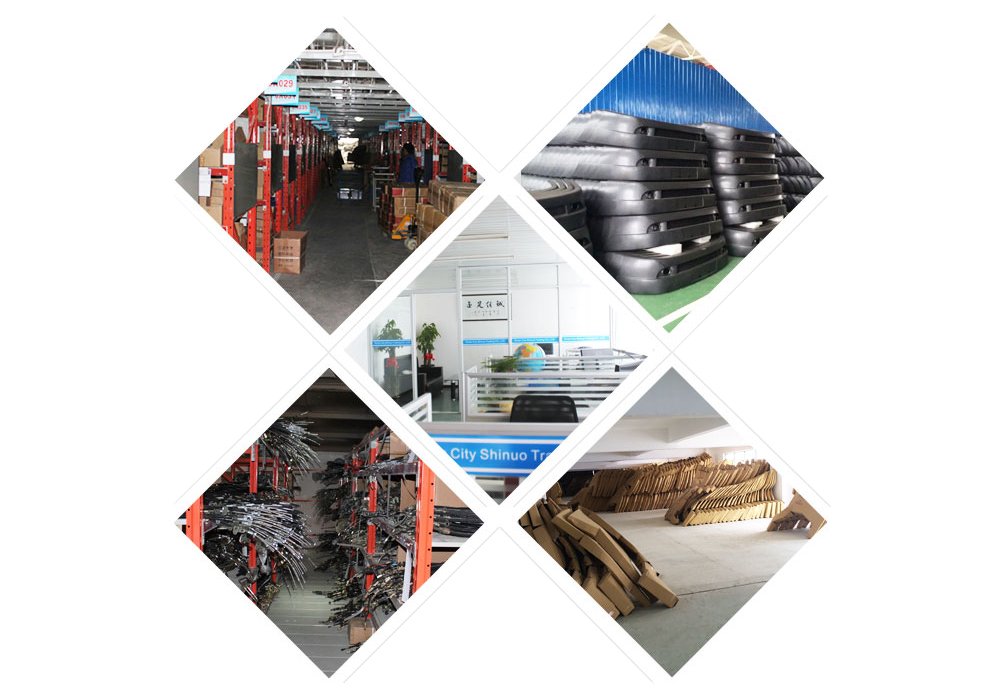
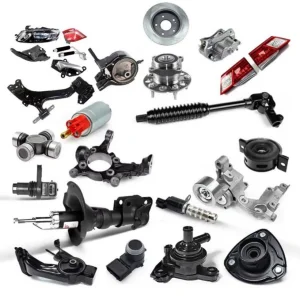
Komfort was founded in 2004. It has been more than 15 years of steady and pragmatic development. The company is based on Zhejiang Province, which is the capital of automobile and motorcycle accessories in China. It makes full use of the industrial clusters and the supporting advantages. As one of the most professional auto parts suppliers specializing in Engine parts Chassis parts electrical parts and body parts .
The company has passed and strictly implemented the ISO 9001 :2008 certification management system and also have the brand Komfort and QIQI After years of development, in the target market and the domestic industry have formed a good reputation, recognized by the market.
Importing high-specification automotive electronics into Syria requires deep understanding of regional compliance schemes, custom clearances, and physical logistics pathways. We work closely with major logistics providers to offering streamlined routing and transparent paperwork, facilitating smooth delivery to Damascus distribution networks.
By maintaining clear quality procedures and documentation, we minimize customs inspection delays and ensure parts arrive at your Damascus warehouse in pristine, calibrated condition.
Standard and specialized replacement sensors optimized for Damascus fleets, municipal vehicles, and private import hubs.
In-depth insights covering product certifications, adaptation to local operating conditions, and import processes.