Komfort Auto Parts
Komfort Auto Parts
Komfort Auto Parts
Engineered to strict OE tolerances. Browse our high-durability assemblies, suspension links, and steering parts.
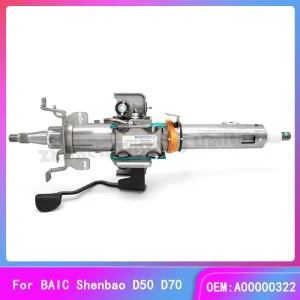
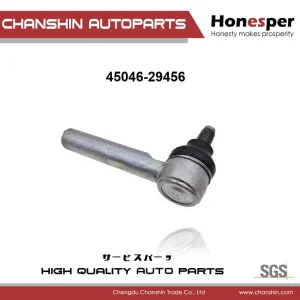
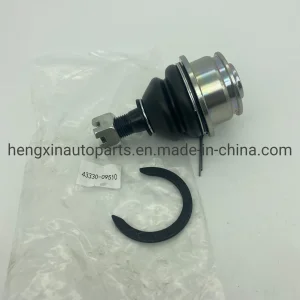
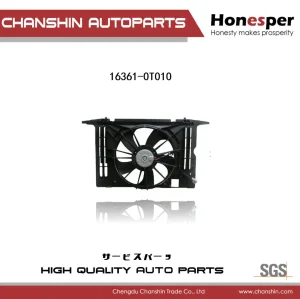
In the automotive and industrial machinery sectors, the steering and suspension system represents one of the most critical safety and performance areas. The tie rod end is the pivot component that translates the driver’s steering wheel input from the steering rack to the wheel knuckles. Operating under high dynamic stresses—including axial tension, compression, and angular oscillations—tie rod ends dictate a vehicle's alignment stability, directional responsiveness, and overall occupant safety.
Historically, steering components were simple mechanical joints requiring frequent lubrication. However, the modernization of vehicle architectures—marked by the shift to electric vehicles (EVs), heavier battery packs, and autonomous lane-keeping systems—has demanded unprecedented load-bearing capacities and zero-tolerance wear limits. Global aftermarket distributors, Tier-1 system assemblers, and heavy-duty fleet buyers are increasingly reliant on manufacturing hubs that can reconcile high mechanical performance with cost-efficiency.
Tie rod ends must be designed to accommodate Ackerman steering geometry, which dictates that during a turn, the inner steering wheel must turn at a steeper angle than the outer steering wheel. This prevents lateral tire scrub. If a tie rod end suffers from wear, even a fraction of a millimeter of internal clearance can disrupt this geometry, leading to accelerated tire wear, reduced fuel efficiency, and compromised safety sensor feedback in advanced driver assistance systems (ADAS).
A steering tie rod assembly consists of two primary parts:
The manufacturing of outer tie rod ends requires specialized forging processes to handle the structural bending moments that occur during hard cornering and rough terrain navigation. A typical premium outer tie rod end consists of a carbon steel housing, a ball stud, a polymer bearing cup (usually POM-H or nylon), a heavy-duty CR/polychloroprene dust boot, and high-performance synthetic grease designed to operate in extreme temperature ranges (-40°C to +120°C).
China has solidified its position as the primary global hub for suspension and steering component production. This dominance is not simply a matter of scale; it is driven by a highly integrated supply chain, cluster-based industrial efficiency, and rapid technology adoption.
In provinces like Zhejiang, which serves as the capital of China's automobile and motorcycle accessories industry, the concentration of upstream raw material suppliers, specialized heat-treatment plants, tool-and-die shops, and surface finishers is unparalleled. An engineer can prototype, test, and iterate a new tie rod end design in days, whereas the same process in Western markets could take weeks or months.
Modern Chinese factories utilize multi-station cold forging machines, robotic welding systems, and high-precision CNC lathes. Furthermore, induction hardening of the ball stud sphere and neck—critical to preventing shear failures under extreme impacts—is executed using automated induction loops with computerized monitoring to guarantee uniform depth and hardness across production batches.
When evaluating a tie rod end manufacturer, purchasing departments must analyze mechanical specifications beyond surface appearance. Standard checks include:
Tie rod ends perform differently depending on the operating environment:
The steering industry is evolving toward integrated sensor technology and advanced metallurgy. Smart Tie Rod Ends, featuring strain gauges and piezo-resistive elements, are being developed to monitor steering force in real-time, providing input data for autonomous driving algorithms and predicting vehicle component fatigue.
Additionally, the industry is transitioning toward eco-friendly materials. Lead-free steel alloys and bio-degradable greases are increasingly demanded by European and North American OEMs to comply with strict environmental policies like REACH and RoHS.
Answering the most critical technical questions regarding tie rod ends sourcing and quality control.
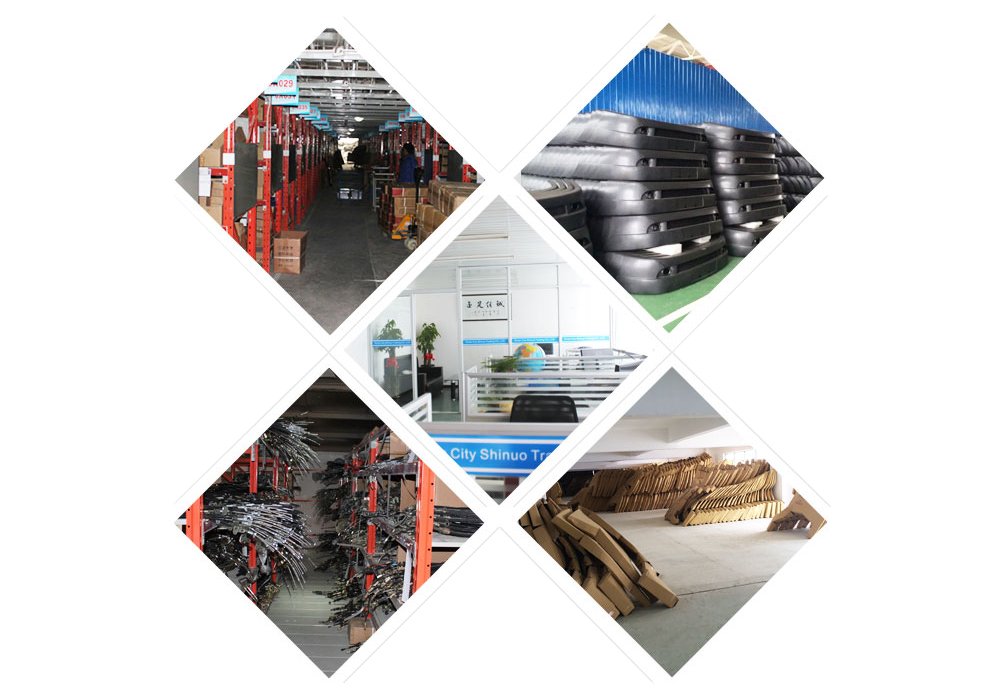
Komfort was founded in 2004. It has been more than 15 years of steady and pragmatic development. The company is based on Zhejiang Province, which is the capital of automobile and motorcycle accessories in China. It makes full use of the industrial clusters and the supporting advantages. As one of the most professional auto parts suppliers specializing in Engine parts Chassis parts electrical parts and body parts .
The company has passed and strictly implemented the ISO 9001:2008 certification management system and also have the brand Komfort and QIQI After years of development, in the target market and the domestic industry have formed a good reputation, recognized by the market.
Explore our full catalog of high-precision auto spare parts, manufactured with ISO-certified quality control.