Komfort Auto Parts
Komfort Auto Parts
Komfort Auto Parts
High-quality OEM-certified chassis, engine, and electrical component arrays engineered for maximum field reliability.
In modern internal combustion engines (ICE), hybrid powertrains, and gas-powered machinery, the Oxygen Lambda Sensor (also known as an exhaust gas oxygen sensor or O2 sensor) acts as the critical telemetry loop. By measuring the concentration of oxygen residue in the exhaust stream, the Engine Control Unit (ECU) dynamic feedback loops adjust fuel injection timing to target the ideal stoichiometric air-fuel ratio (λ = 1.00).
Whether dealing with classic narrowband switching sensors or advanced wideband planar oxygen sensors, precise sensor operation dictates fuel economy, catalytic converter efficiency, and tailpipe emission levels. For global purchasers, finding an OEM-certified Lambda sensor manufacturer with deep-tech manufacturing capacity and precise calibration facilities is essential for meeting international automotive compliance standards (such as Euro 6d, Euro 7, and US EPA Tier 3).
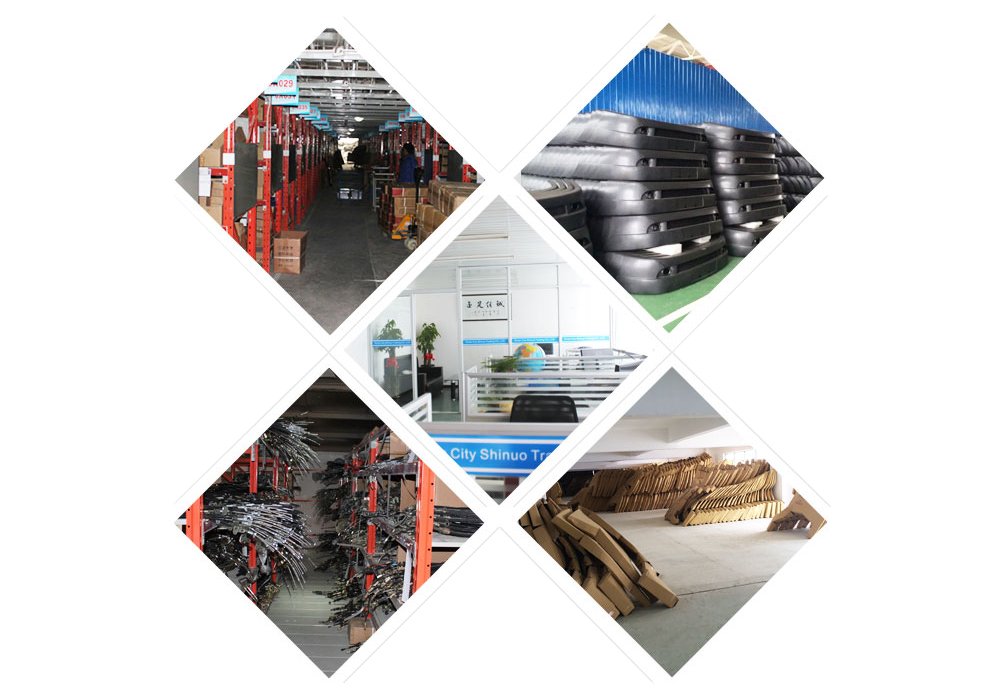
Founded in 2004, Komfort has achieved over 15 years of steady and pragmatic development in the automotive components industry. Based in Zhejiang Province—the prominent capital of automobile and motorcycle accessories in China—our operations leverage massive localized industrial clusters and advanced supporting infrastructure.
As a professional auto parts supplier, we specialize in high-precision Engine Parts, Chassis Parts, Electrical Parts, and Body Parts. By strictly implementing the ISO 9001:2008 quality management system alongside our key brands Komfort and QIQI, we have earned a strong reputation among regional buyers, OEM partners, and aftermarket distributors worldwide.
How regional supply chain ecosystems drive high-precision manufacturing, material innovation, and cost-competitiveness.
Operating out of Zhejiang Province allows us to integrate raw materials, micro-ceramic elements, processing equipment, and specialized logistics. This minimizes raw material transport times and simplifies procurement logistics, lowering unit costs while accelerating development cycles.
We source premium yttria-stabilized zirconia (YSZ) ceramic powders, high-purity platinum inks for co-fired electrodes, and heat-resistant alloys. These elements ensure our sensors withstand thermal shock and remain chemical-contaminant resistant under continuous operation.
Equipped with modern ceramic co-firing furnaces, automated laser welding stations, and specialized test chambers, we test response times, heater resistance, and signal output levels in-house, keeping PPM defect rates low.
The shift toward wideband linear technologies, faster activation times, and hybrid engine integrations.
Traditional switching narrowband sensors only provide a binary rich/lean voltage output (approx. 0.1V to 0.9V). However, modern emission levels require wideband planar oxygen sensors. These systems measure air-fuel ratios continuously from 0.7 to air reference states, enabling precise fuel control during acceleration and deceleration.
More than 70% of tailpipe emissions occur during cold starts before the catalytic converter reaches operating temperature. Today's OEM specifications require sensors to activate in under 5 seconds. To support this, factories co-integrate internal heating circuits that warm the ceramic element to >350°C quickly, protecting it from thermal shock.
In hybrid vehicles (HEVs/PHEVs), the internal combustion engine cycles on and off repeatedly. This frequent cycling exposes sensors to temperature variations and moisture condensation, which can crack hot ceramic components. Advanced sensors feature dual-layer protective tubes and improved glaze seals to prevent water droplet damage.
Tailoring element geometry, harness integration, and protective shells to fit specific industrial platforms.
Optimized for volume assembly lines, featuring standard wire lengths, automated harness assembly, and OE-matching connectors (Delphi, Bosch, Denso formats). Designed for drop-in compatibility and long field lifespans.
Built to handle harsh environments, these sensors withstand high soot and vibration levels. They feature thickened double-layered protective sleeves to protect ceramic components from soot accumulation and exhaust debris.
Equipped with corrosion-resistant housings and IP68K waterproof wiring seals, these sensors are ideal for marine outboards, power generators, and agricultural equipment operating in wet or humid conditions.
Answers to common technical, quality control, and shipping questions from B2B buyers and OEM partners.
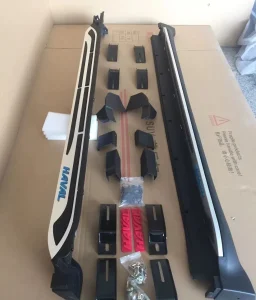
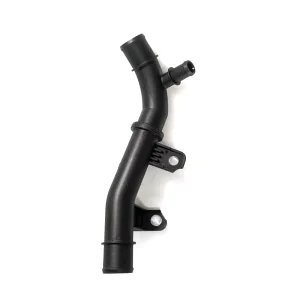
Engine components, high-tolerance mechanical linkages, and exterior trims designed to meet rigorous B2B quality standards.