Komfort Auto Parts
Komfort Auto Parts
Komfort Auto Parts
The global oil cooler assembly market is undergoing a significant paradigm shift. Driven by the demand for higher engine efficiency and stringent emission regulations, manufacturers are moving toward compact, high-performance modular designs. As a leading oil cooler assembly supplier, we recognize that the integration of heat exchangers within the engine block is becoming a standard in modern powertrain engineering.
Beyond traditional passenger vehicles, oil cooler assemblies are critical in heavy-duty sectors including construction machinery, marine propulsion, and aerospace. The ability to manage thermal loads in hydraulic systems and high-torque transmissions defines the reliability of modern infrastructure. We cater to this diverse demand through multi-material engineering and tailored pressure ratings.
With industrial clusters in Zhejiang Province, China—renowned as the capital of automobile and motorcycle accessories—suppliers like Komfort utilize localized logistics and expert labor forces to provide globally competitive pricing and logistics. This regional advantage ensures that Tier-1 and Tier-2 manufacturers receive parts that meet international standards like ISO 9001:2008.
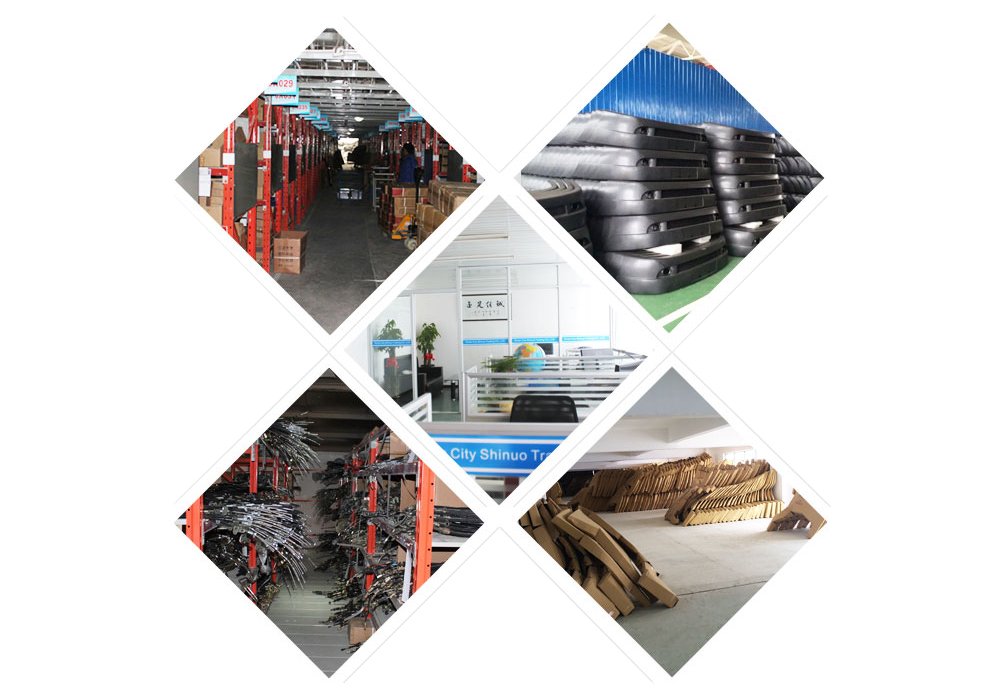
Komfort was founded in 2004. It has been more than 15 years of steady and pragmatic development. The company is based on Zhejiang Province, which is the capital of automobile and motorcycle accessories in China. It makes full use of the industrial clusters and the supporting advantages.
As one of the most professional auto parts suppliers specializing in Engine parts, Chassis parts, electrical parts, and body parts, we have built a reputation for reliability. Our commitment to quality is backed by our internal brands Komfort and QIQI.
The company has passed and strictly implemented the ISO 9001:2008 certification management system. After years of development, in the target market and the domestic industry, we have formed a good reputation, recognized by the market.
Modern oil cooler assemblies are transitioning from traditional heavy copper-brass to lightweight, high-thermal-conductivity aluminum alloys (e.g., 3003/6061). This shift reduces vehicle curb weight while enhancing corrosion resistance in harsh environments.
The integration of electronic sensors and bypass valves allows for "smart thermal management." By regulating oil flow based on real-time temperature data, these assemblies contribute to a 2-3% improvement in overall fuel economy.
For high-end or racing applications, 3D-printed internal fins optimize turbulence and surface area. This technology allows for complex geometries that were previously impossible to manufacture, maximizing heat dissipation in minimal space.
The future of oil cooling lies in the EV sector. High-performance electric motors and battery packs require dedicated oil cooling circuits. We are currently developing specialized oil-to-liquid heat exchangers for the next generation of hybrid and electric powertrains.
Sustainable production is no longer optional. Our roadmap includes the use of recycled aluminum and the elimination of harmful brazing fluxes, aligning with global green manufacturing standards.
Using CFD (Computational Fluid Dynamics) to create digital twins of oil cooler assemblies enables us to predict failure points and optimize flow rates before the first physical prototype is ever built.
In regions like Northern Europe or Canada, oil coolers must feature reliable bypass valves to prevent high-pressure spikes when oil is thick and cold. Our assemblies ensure engine protection during cold starts while maintaining thermal equilibrium at operating temperatures.
For mining and construction in Southeast Asia or Africa, ambient temperatures often exceed 40°C. We provide oversized cooling cores with enhanced fin density to ensure that hydraulic and engine oils remain within safe viscosity limits under 24/7 duty cycles.
The industry is moving away from standalone components toward ITMM. By combining the oil cooler, water pump, thermostat, and filtration system into a single assembly, we reduce assembly time for OEMs, minimize leak paths, and optimize engine bay packaging. This holistic approach is the cornerstone of our growth strategy as a global oil cooler assembly supplier.
Years Experience
SKU Inventory
Certified Quality
Export Countries
Failure typically occurs due to internal clogging (sludge), external corrosion, or seal degradation. Prevention involves regular coolant flushes, using high-quality synthetic oils, and ensuring the assembly is sourced from a supplier that uses high-grade vibration-resistant materials.
Yes. If the internal barrier between oil and coolant ruptures, cross-contamination (the "milkshake" effect) occurs. This destroys the lubricating properties of the oil and can lead to catastrophic engine seizure within minutes.
Aluminum offers superior thermal conductivity (transferring heat faster) and is significantly lighter. While stainless steel is more durable in highly acidic environments, modern aluminum alloys with specialized coatings provide the best balance of performance and weight for the automotive industry.
Every unit undergoes rigorous pressure testing and thermal cycling simulations. We strictly implement the ISO 9001:2008 system, ensuring that every weld and seal meets the demanding tolerances of OEM specifications.