Komfort Auto Parts
Komfort Auto Parts
Komfort Auto Parts
Engineered to strict OE specification tolerances, ensuring dynamic stability, optimal Ackermann geometry execution, and resistance against harsh torsional forces.
An authoritative analysis of structural load distributions, steering system architecture, and OEM industrial manufacturing paradigms.
In modern automotive steering linkage architectures—specifically within traditional parallelogram, steering center-link, and heavy-duty trapezoidal linkage systems—the Idler Arm Assembly functions as a pivotal structural anchor. Operating as the structural counterweight to the steering gear’s pitman arm, the idler arm supports the passenger-side steering linkage, constraining vector motion to a pure rotational horizontal arc while absorbing intense multi-directional dynamic loads. As global automotive original equipment manufacturers (OEMs) and commercial aftermarket networks scale production, the demand for precision-engineered, high-fatigue-resistant wholesale idler arm assemblies has reached unprecedented global volumes.
The steering system represents one of the most critical safety-relevant sub-assemblies in light passenger, commercial light-duty, heavy-duty truck, and off-highway vehicle platforms. Any structural deformation, rotational backlash, or elastomeric degradation within the idler arm assembly directly induces steering wheel shimmy, premature tire tread cupping, loss of directional stability, and erratic vehicle tracking under high lateral acceleration. Consequently, professional tier-1 suppliers and specialized manufacturing facilities must execute micro-inch tolerances, advanced metallurgical treatment protocols, and rigorous quality control methodologies to satisfy modern global automotive standards.
Forged from premium SAE 1045 or 4140 chromoly alloy steel matrix to ensure immense yield strength, zero internal voids, and resistance against violent impact shocks.
Utilizing high-durometer polyurethane or synthetic chloroprene formulations engineered to resist thermal degradation (-40°C to +120°C) and hydrocarbon attack.
Fully compliant with strict automotive international quality management standards including full material heat lot traceability and automated dimensional inspection.
A precision-manufactured idler arm assembly consists of three primary structural components: the forged support bracket (which mounts directly to the vehicle chassis frame rail), the internal pivot shaft (equipped with specialized low-friction bearing sleeves or elastomeric bushings), and the forged idler arm lever which connects to the center link or drag link. Advanced factories leverage medium-frequency induction hardening across the ball stud shank and pivot contact zones to achieve a surface hardness profile of 58–62 HRC, while maintaining a ductile core to absorb sudden shock loads without brittle fracture.
To eliminate rotational friction and prevent premature binding, modern idler arms feature either greasable (re-serviceable) designs with embedded zerk fittings and internal grease channels, or modern factory-sealed maintenance-free units encapsulated with low-friction POM (Polyoxymethylene) polymer seats and synthetic lithium-complex grease. Below is a comprehensive engineering breakdown of standardized wholesale specifications for commercial-grade OEM idler arm assemblies:
| Engineering Parameter | OEM Standard Specification | Aftermarket Performance Grade | Testing & Compliance Protocol |
|---|---|---|---|
| Forging Material Grade | SAE 1045 Carbon Steel / SAE 4140 Chromoly | Forged 40Cr / 42CrMo Alloy Steel | ASTM A29 / ISO 683-1 Microstructure Analysis |
| Ball Stud Induction Depth | 1.5 mm – 2.5 mm Case Hardness Depth | 2.0 mm – 3.0 mm Reinforced Case Depth | Rockwell C Hardness Scale (58-62 HRC) |
| Bushing Material Composition | NR + EPDM Synthetic Rubber Matrix | High-Durometer Polyurethane (Shore 85A-95A) | ASTM D2240 Durometer / ISO 37 Tensile Test |
| Rotational Torque Tolerance | 0.8 N·m – 2.5 N·m Smooth Breakaway Torque | 1.0 N·m – 3.0 N·m Precision Preload | Automated Dynamic Torque Transducer Testing |
| Surface Anti-Corrosion Finish | Black Electro-Deposition (E-Coat) / Zn-Ni Plating | Heavy Cathodic E-Coat (>25 Microns) | ASTM B117 Neutral Salt Spray Test (>960 Hours) |
| Fatigue Lifecycle Rating | > 800,000 Dynamic Load Reversals | > 1,500,000 Heavy Duty Test Cycles | SAE J193 / ISO 7451 Structural Testing Standard |
The operational demands placed upon idler arm assemblies vary drastically depending on regional climate conditions, commercial fleet usage, highway infrastructure quality, and regional vehicle regulations. B2B importers, automotive distributors, and fleet procurement personnel must select idler arm configurations designed specifically for localized environmental stress vectors:
High-mileage Class 3-7 light and medium commercial trucks require heavy-duty idler arms equipped with oversized ball studs and greasable bronze bushings to endure prolonged highway hauling loads and severe road salt exposure in winter freeze zones.
Vehicles operating in South American, Middle Eastern, or Australian mining corridors require specialized dust boots crafted from high-grade Chloroprene (CR) with double-lip sealing rings to prevent fine quartz dust and moisture intrusion into the pivot assembly.
Focusing on strict compliance with EU REACH chemical directives and ISO 9001 regulations. Precision noise, vibration, and harshness (NVH) dampening rubber bushings are installed to satisfy stringent European passenger comfort standards.
As the automotive ecosystem transitions toward autonomous driving platforms, heavier electric commercial chassis (EV fleets), and smart vehicle health monitoring, idler arm assembly manufacturing is undergoing a technological revolution. Below is our engineering roadmap outlining key innovations shaping next-generation steering components:
Integration of micro-electronic Hall-effect wear sensors within the idler arm dust boot to broadcast real-time play metrics directly to vehicle telematics units.
Hybrid steel-aluminum matrix and carbon-reinforced forging techniques reducing unsprung component mass by up to 28% without sacrificing yield strength.
Transition to advanced electro-nickel zinc alloy micro-coatings, fully eliminating heavy metal waste while providing over 1,500 hours of salt spray protection.
Specialized low-inertia idler support structures designed for dual-redundant electro-mechanical actuator tie-ins on heavy commercial autonomous platforms.
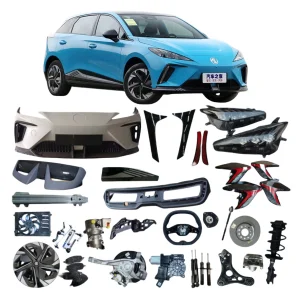
Explore our expanded inventory of heavy-duty powertrain, chassis, brake system, and structural body components manufactured to strict OEM standards.
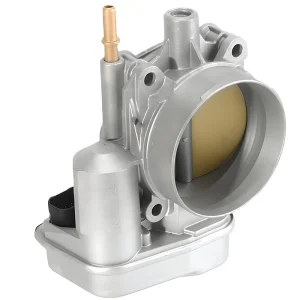
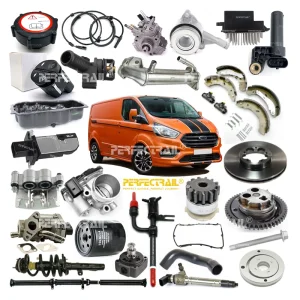
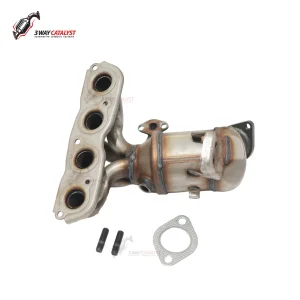
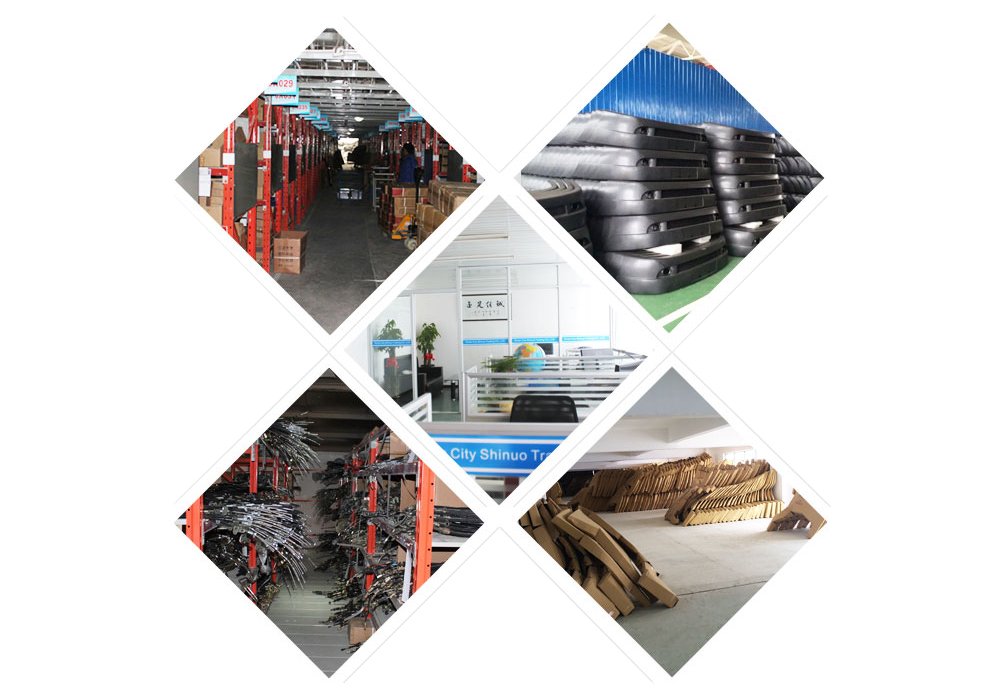
Komfort was founded in 2004. It has been more than 15 years of steady and pragmatic development. The company is based on Zhejiang Province, which is the capital of automobile and motorcycle accessories in China. It makes full use of the industrial clusters and the supporting advantages. As one of the most professional auto parts suppliers specializing in Engine parts Chassis parts electrical parts and body parts .
The company has passed and strictly implemented the ISO 9001 :2008 certification management system and also have the brand Komfort and QIQI After years of development, in the target market and the domestic industry have formed a good reputation, recognized by the market.
Expert technical answers addressing wholesale procurement, structural diagnostics, OEM manufacturing standards, and metallurgical testing.
The Pitman Arm attaches directly to the steering gear output shaft (sector shaft) and converts rotational input from the steering wheel into linear force across the steering link. Conversely, the Idler Arm is a supportive pivot mounted on the opposite frame rail that holds the passenger side center link parallel to the road, ensuring balanced load distribution across the steering trapezoid.
Key indicators include excessive steering wheel free-play (backlash), severe steering wheel shimmy or vibration under moderate braking, erratic vehicle wandering at highway speeds, uneven front tire shoulder wear, and clunking sounds originating from the front suspension when traversing bumps.
Greasable idler arm assemblies feature integrated zerk fittings allowing technicians to flush out contaminants and replenish lithium grease during service intervals, extending service life in severe-duty applications. Sealed units use internal synthetic grease reservoirs and polished polymer seats (POM), offering zero maintenance for standard light passenger service.
High-grade idler arms are forged using medium carbon or alloy steel grades such as SAE 1045, 40Cr, or SAE 4140. Ball studs undergo precision induction hardening to achieve 58-62 HRC casing hardness, ensuring extreme resistance to axial and radial pull-out forces exceeding 50 kN.
IATF 16949 is the global quality management standard for the automotive industry. It guarantees rigorous process controls, comprehensive raw material heat-lot traceability, failure mode analysis (FMEA), automated coordinate measuring machine (CMM) inspections, and zero-defect manufacturing standards.
Yes, wholesale manufacturing partners provide comprehensive custom engineering services. Utilizing modern 3D CAD modeling, Finite Element Analysis (FEA), dynamic fatigue testing rigs, and rapid tooling capabilities, factories can manufacture tailored prototypes based on client-provided OE samples or technical drawings.