Komfort Auto Parts
Komfort Auto Parts
Komfort Auto Parts
How modern industries optimize fluid power systems, decrease machine downtime, and prevent catastrophic failures with high-efficiency hydraulic oil filters.
Modern manufacturing demands unparalleled precision. In fields like injection molding, heavy steel forging, and robotic stamping lines, hydraulic systems actuate high forces with sub-millimeter tolerances. A single microscopic particulate can cause servo valve failure, leading to costly line-stoppages. Leading global factories prioritize premium beta-rated hydraulic oil filters to secure smooth operations.
Off-road mining dump trucks, marine steering machinery, and agricultural harvesters operates under hostile weather conditions. Dust ingestion, moisture, and extreme operational heat demand filters built with high-burst pressure canisters and high-performance synthetic micro-glass fibers to maintain robust structural integrity.
Global environmental regulations dictate rigid limits on waste fluid generation. Extending the lifetime of expensive hydraulic oil by removing microscopic debris before it causes fluid shear and oxidation helps international enterprises meet their carbon reduction and environmental sustainability goals.
Exploring advanced synthetic filtration media, smart electro-hydraulic telemetry, and next-generation designs destined for high-performance fluid power systems.
Unlike standard cellulose fibers, modern premium filters utilize multi-layered synthetic micro-glass. These non-woven gradient layers optimize particulate capture across different scale dimensions (from 1μm up to 25μm), delivering maximum dirt-holding capacity and drastically minimizing pressure drop across the filter core.
High fluid velocities in hydraulic returns generate static charges, sparking inside the filter housing and burning localized oil particles. Manufacturers are introducing static-dissipative materials to prevent spark damage, safeguarding both the media and chemical composition of the oil.
The industry is migrating from mechanical differential pressure indicators to smart electronic sensors. These integrated components communicate directly with vehicle/machine ECUs or cloud analytics dashboards via CAN bus, allowing dynamic, predictive, and condition-based filter replacement.
| Filtration Element Class | Primary Material Composition | Beta Ratio (βx ≥ 1000) | Primary Application Area | Static Hazard Resistance |
|---|---|---|---|---|
| Ultra-Fine Precision | Multi-layered Inorganic Glass Fiber | 3 μm (Absolute) | Proportional & Servo Valve Protection | High (Anti-Static Mesh) |
| Standard Pressure Line | Synthetic Micro-glass / Polymer Blend | 10 μm (Absolute) | Industrial Machine Tools & Machinery | Medium |
| Heavy Duty Return Line | Cellulose + Micro-glass Reinforced | 25 μm (Absolute) | Mobile Construction Hydraulic Returns | Standard |
| Coarse Suction Strainer | Stainless Steel Wire Mesh (SUS 304) | 150 μm (Nominal) | Hydraulic Tank Internal Protection | None |
Analyzing how China's integrated industrial hubs deliver superior product reliability, logistical agility, and manufacturing depth to automotive and industrial clients worldwide.
Zhejiang stands as a global hub of automotive and industrial manufacturing machinery components. Because suppliers, toolmakers, chemical developers, and shipping channels are clustered closely together, industrial factories located here enjoy unmatched fast reaction times and logistical flexibility.
Founded in 2004 with more than 15 years of steady and pragmatic development, Komfort has successfully established itself as a premier, high-quality, international automotive and machine components supplier. Utilizing Zhejiang’s robust industrial ecosystem, Komfort combines advanced material sourcing with cutting-edge mechanical manufacturing.
Komfort is certified under ISO 9001:2008, ensuring rigorous process control from the incoming raw material inspection stage to high-precision stamping, welding, assembling, and final QA testing of complex components.
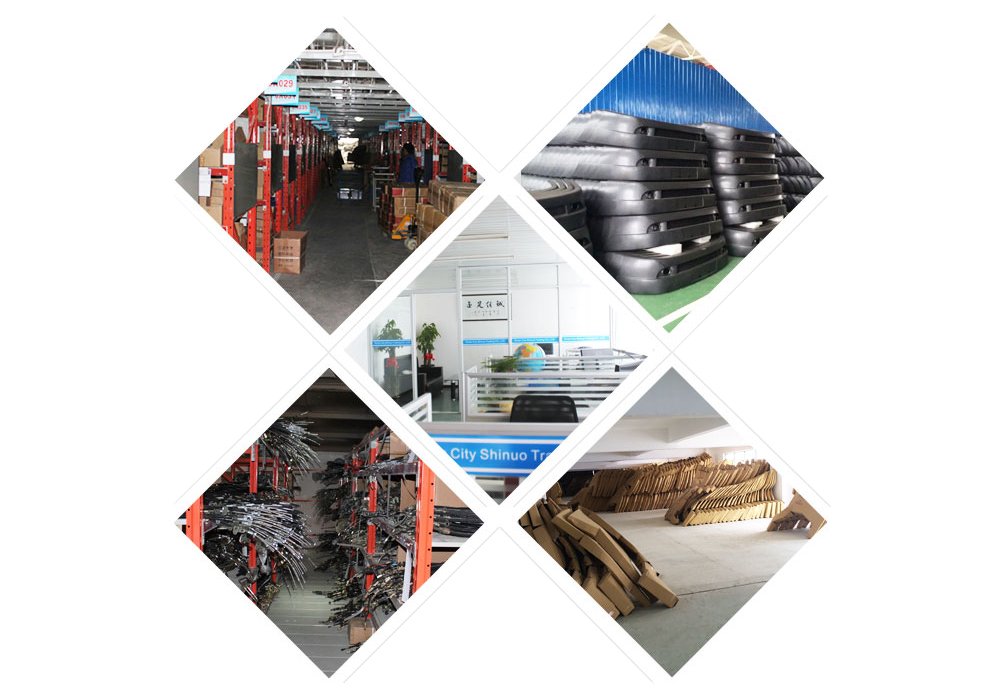
All facilities operates under high quality-management policies. Komfort strictly implements testing systems to prove structural strength and oil-flow bypass valve calibration.
From complex hydraulic assemblies to essential engine, chassis, and steering components, our team manages extensive supply programs supporting passenger cars, heavy utility haulers, and stationary industrial gearboxes.
With proprietary brands Komfort and QIQI, our products have gained domestic and global customer trust across Europe, North America, and Southeast Asia.
Where and how precision hydraulic filtration safeguards operational productivity across key target regions globally.
In construction projects across North America and Western Europe, fleet operators encounter downtime due to hydraulic system dirt. Implementing localized high-capacity hydraulic return-line filters prevents cylinder wear and extends pump replacement intervals, reducing overall operating costs.
Plastics injection molding hubs in Germany and Japan run continuous cycles at high speeds. These machines require high-pressure filter units designed to handle large oil flow variations and pressure surges without damaging the pleated elements, protecting proportional control valves.
Harvesting machinery operates in dry, dusty environments. Suction and breathers with high-efficiency synthetic fibers stop contaminants before they enter the main tank reservoir, avoiding catastrophic pump failure in remote operating areas.
Ensuring every filtration product conforms to international standards for pressure resistance, fluid compatibility, and particle capture efficiency.
All filters undergo multi-pass testing to accurately determine absolute particle retention rates and dirt-holding capacities under varying flow conditions.
Ensures the filter core can withstand severe pressure shocks and high flow surges without collapsing, keeping bypass components operational during startup surges.
Verifies synthetic media and seals are chemically compatible with industrial fluids, synthetic lubricants, and mineral-based hydraulic oils.
Get answers to critical technical questions regarding hydraulic oil filters from seasoned industry engineers.