Komfort Auto Parts
Komfort Auto Parts
Komfort Auto Parts
In the rapidly evolving landscape of New Energy Vehicles (NEVs), the High Voltage (HV) Battery serves as the fundamental cornerstone of performance, safety, and range. As global industries pivot away from internal combustion engines, the search for the "Top 10 High Voltage Battery Factories & Exporters" has become a strategic mission for automotive OEMs, energy storage providers, and heavy-duty transport innovators. This guide explores the technical roadmap, manufacturing prowess, and supply chain resilience required to lead in the HV battery sector.
Understanding the shift from Lead-Acid to High-Voltage Lithium-Ion (NMC/LFP) for commercial and passenger vehicle scalability.
The global HV battery market is projected to grow at a CAGR of 18.5%, driven by stringent emissions regulations and subsidies.
Focusing on Energy Density (Wh/kg), Thermal Management Systems (TMS), and Battery Management Systems (BMS).
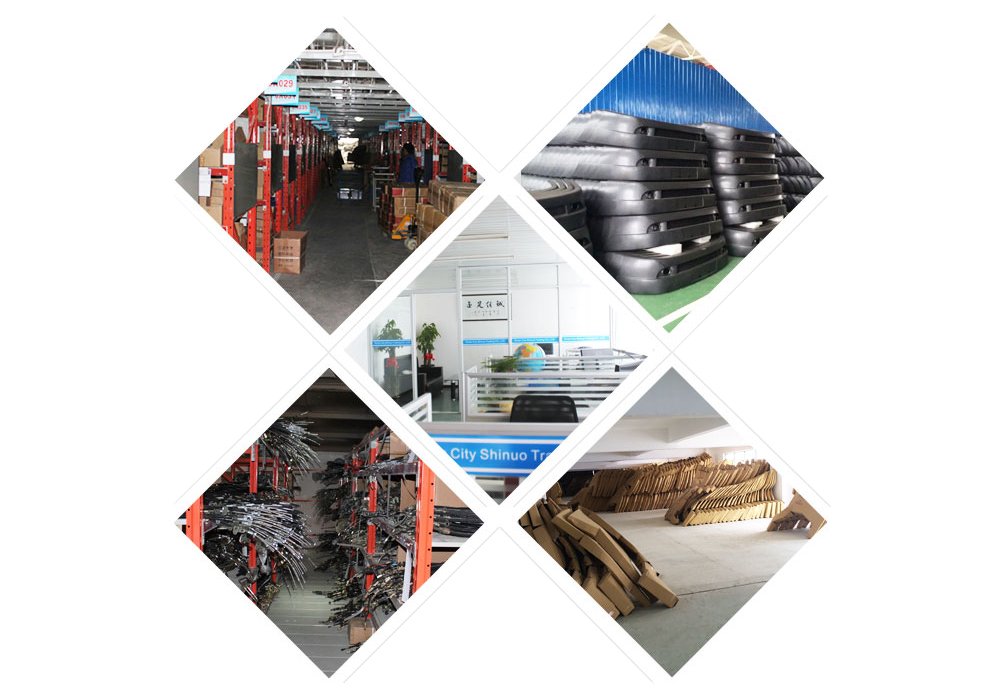
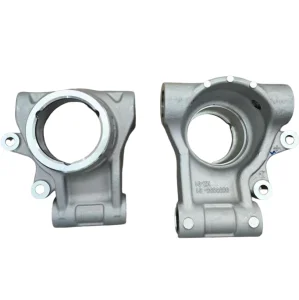
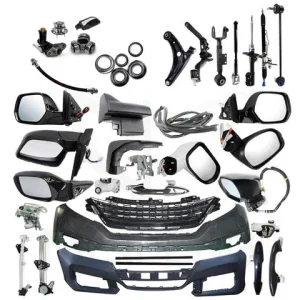
Komfort was founded in 2004, marking over 15 years of steady and pragmatic development. Based in Zhejiang Province—the capital of automobile accessories in China—we leverage industrial clusters to provide professional auto parts, including Engine, Chassis, Electrical, and Body parts.
With ISO 9001:2008 certification, our brands Komfort and QIQI have earned a global reputation for reliability. Today, we bridge the gap between traditional automotive excellence and the future of high-voltage electrification.
The next frontier in safety and density. Leading factories are investing in solid electrolytes to eliminate fire risks and double the range of current HV packs.
Integrating battery cells directly into the vehicle structure. This reduces weight by 10% and increases space utilization by 15%, a core focus for 2025-2030.
Utilizing machine learning to predict cell degradation and optimize charging cycles in real-time, extending battery life by up to 30%.
China's dominance in the High Voltage Battery sector isn't just about scale; it's about Industry 4.0 integration. From automated electrode coating to high-speed laser welding, Chinese factories offer an efficiency advantage that competitors struggle to match.
High-discharge rate HV batteries designed for rapid acceleration and long-distance travel, compatible with CCS and NACS standards.
Scaling HV technology for grid-level storage, enabling solar and wind farms to store megawatt-hours of clean energy efficiently.
Heavy-duty battery packs for electric trucks and buses, focusing on cycle life (over 5000 cycles) and thermal stability under load.
For global enterprises, sourcing from the Top 10 HV battery exporters requires rigorous adherence to international standards. Leading exporters provide: