Komfort Auto Parts
Komfort Auto Parts
Komfort Auto Parts
Explore our certified auto spare parts and high-performance components designed to meet strict international standards.
The critical role of material grades, acoustic engineering, and structural integrity in high-performance exhaust system components.
The global exhaust system market is undergoing a rapid evolution. No longer treated as simple conduits for engine emissions, modern exhaust pipe tails (commonly referred to as exhaust tips) are highly engineered components designed to withstand severe thermal stresses, resist aggressive chemical corrosion from exhaust condensates, and optimize tail-end fluid dynamics.
For international buyers, distributors, and Tier-1 automotive systems suppliers, finding reliable manufacturing partners is a matter of strict quality assurance. Leading factories now employ advanced manufacturing technologies including computerized robotic welding, PVD (Physical Vapor Deposition) coating, double-walled insulation, and precision CNC mandrel bending. These processes ensure that the exhaust components not only enhance the vehicle's acoustic profile but also maintain long-term visual appeal under intense operating conditions.
Key technical advancements shaping the procurement guidelines for modern B2B buyers.
Transitioning from basic aluminized steel to SUS304 and SUS316 austenitic stainless steel. High-end components utilize titanium alloys and dry carbon fiber sleeves to reduce weight while dramatically increasing heat resistance.
Tailpipes now feature internal acoustic chambers and perforated baffling. By leveraging Helmholtz resonance principles, manufacturers can sculpt the engine note to match specific brand expectations without increasing restrictive backpressure.
Chrome plating is being phased out in favor of eco-friendly PVD vacuum plating, carbon-carbon composites, and high-temp ceramic coatings that resist oxidation up to 800°C.
Use this data matrix to evaluate factory capabilities and material choices during the RFP (Request for Proposal) process.
| Material Class | Common Grade | Corrosion Resistance | Max Operational Temp | Ideal Application |
|---|---|---|---|---|
| Austenitic Stainless Steel | SUS 304 / AISI 304 | Excellent | 800°C | Premium OEM, performance aftermarket, dual-wall tips |
| Ferritic Stainless Steel | SUS 409L / AISI 409 | Moderate (surface oxidation) | 650°C | Standard OEM underbody piping, entry-level systems |
| Titanium Alloys | Grade 1 / Grade 2 Ti | Superior | 900°C | Supercars, racing divisions, ultra-lightweight applications |
| Carbon Fiber Composite | 3K Twill Dry Carbon | Chemical Inert | 350°C (Outer Sleeve) | Aesthetic cladding, thermal protection wraps |
Essential compliance protocols and logistics security metrics for procurement officers.
When sourcing exhaust components globally, leading industrial buyers focus on manufacturers located in key automotive clusters. Zhejiang Province, China, has emerged as a premier hub for high-precision automotive accessories, offering a highly integrated supply chain that spans raw material extraction, casting, precision machining, and surface finishing.
A rigorous factory audit checklist should include:
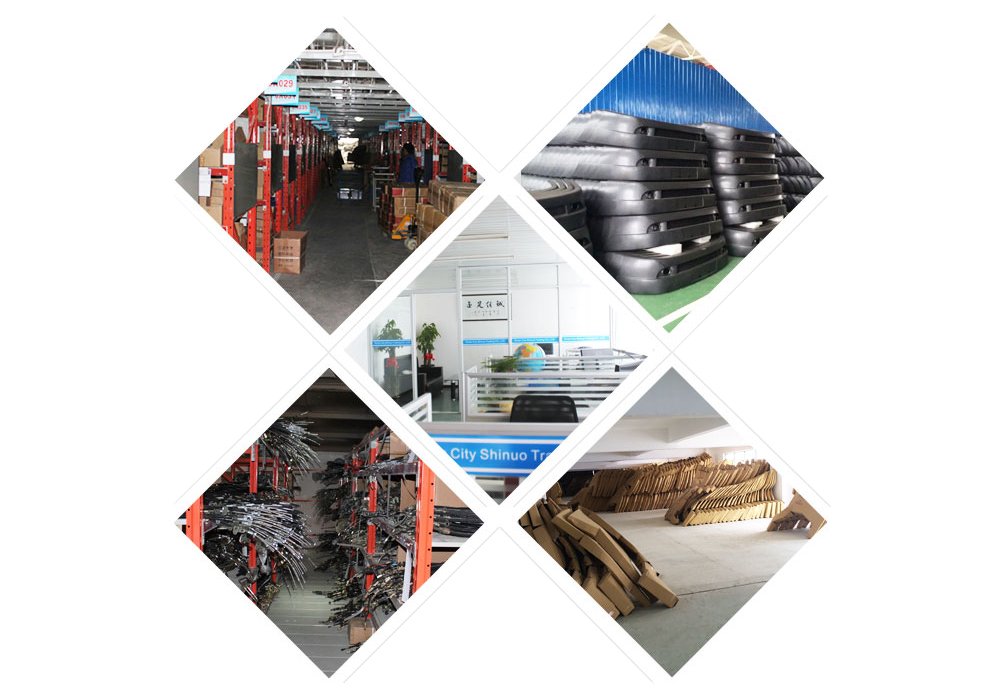
Founded in 2004, Komfort has achieved more than 15 years of steady, pragmatic, and quality-driven growth. Headquartered in Zhejiang Province—the premier cluster for automobile and motorcycle accessories in China—Komfort leverages advanced local industrial ecosystems and outstanding supporting supply chains. Today, Komfort stands as a highly professional automotive component manufacturer and supplier specializing in Engine systems, Chassis dynamics, Electrical assemblies, and Body styling parts.
The company strictly implements the ISO 9001:2008 quality management certification system. Through our proprietary brands, Komfort and QIQI, we have earned a stellar reputation across European, American, and regional domestic markets for reliability, engineering precision, and robust aftermarket performance.
Adapting to hybrid drivetrains, synthetic fuels, and hydrogen combustion emissions.
As automotive drivetrains shift towards high-efficiency hybrid solutions, tailpipe architecture is changing. Tomorrow's exhaust systems will integrate electronically controlled active valves. These valves modulate exhaust backpressure in real time, matching engine load profiles to optimize fuel efficiency while controlling pass-by noise levels in urban zones.
Furthermore, the anticipated rise of hydrogen internal combustion engines (HICE) introduces new exhaust challenges, specifically higher water vapor concentrations. This shift requires factories to adopt higher-grade stainless steels and internal drainage ports to prevent localized corrosion and water accumulation.
High-end exporters are now investing in acoustic simulation software (like ANSYS and wave dynamics modelers). This enables them to provide OEM clients with virtual prototypes, speeding up development cycles and reducing physical testing costs by up to 40%.
Expert technical answers targeting semantic procurement intents.
Explore additional specialized components in our inventory, engineered for structural durability and high system compatibility.