Komfort Auto Parts
Komfort Auto Parts
Komfort Auto Parts
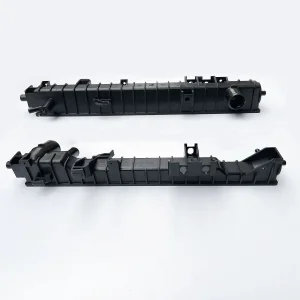
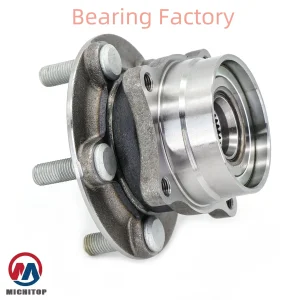
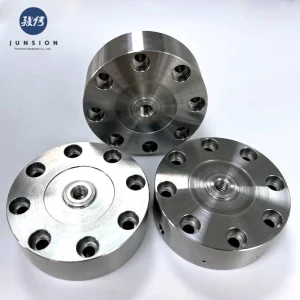
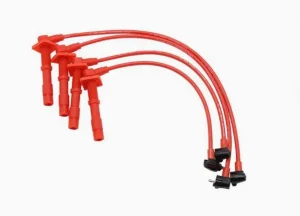
Engineered to exact OEM specifications, our high-precision product portfolio ensures optimal performance across cooling, electronic, and chassis systems.
Exhaust system optimization requires balancing thermodynamic flow resistance, mechanical durability, and strict international environmental noise standards.
Global markets require compliance with Tier 4 Final, Euro VI, and local EPA noise thresholds. Silencers must mitigate high and low-frequency pulses without degrading horsepower.
Utilizing high-grade Stainless Steel 304, 316, and aluminized steel to guarantee oxidation resistance at extreme temperatures reaching 800°C (1472°F) in continuous cycles.
Custom baffle placement, expansion chambers, and internal glass fiber pack density are engineered via advanced CFD (Computational Fluid Dynamics) modeling.
Industrial engine systems require distinct strategies for noise mitigation based on frequency spectra. Absorptive silencers (dissipative) utilize fibrous packing materials such as E-glass or basalt wool, making them highly effective at attenuating high-frequency noise (typically above 500 Hz). Conversely, reactive silencers leverage internal baffles, chambers, and resonant cavities to bounce acoustic waves back to their source, targeting low-frequency engine pulsations (below 500 Hz).
For large-scale generator sets, mining equipment, and marine main engines, manufacturers employ combination silencers. These custom units incorporate both reactive chambers for baseline mechanical attenuation and absorptive stages for turbulent fluid-flow silencing. This comprehensive layout maximizes noise reduction coefficient (NRC) ratings while keeping pressure drops within critical parameters.
A comparative breakdown of structural materials used in heavy industrial and automotive silencer manufacturing.
| Material Class | Maximum Temperature | Corrosion Resistance | Standard Applications | Cost Profile |
|---|---|---|---|---|
| Aluminized Steel | 550°C (1022°F) | Moderate (Atmospheric) | Light Automotive, Light Industrial Gen-sets | Economical / Budget-Friendly |
| Stainless Steel 409 | 700°C (1292°F) | Good (High Heat resistance) | Standard Passenger Vehicle Exhaust Systems | Mid-Range |
| Stainless Steel 304 | 850°C (1562°F) | Excellent (Acid & Moisture) | Heavy Duty Trucks, Chemical Process Exhaust | Premium Standard |
| Stainless Steel 316L | 900°C (1652°F) | Superior (Marine/Salt Air) | Marine Inboards, High-Corrosive Chemical Processing | High-End Specialist |
| Inconel Alloys (625 / 718) | 1000°C+ (1832°F+) | Absolute Resistance | Motorsport / High-performance Turbocharged Manifolds | Ultra-Premium |
As carbon-neutral objectives tighten globally, the industrial silencer market is evolving past simple sound dampening.
Modern diesel emissions regulations necessitate the integration of Selective Catalytic Reduction (SCR) systems and Diesel Particulate Filters (DPF) directly with or adjacent to the muffler housing. China's top-tier manufacturers are developing hybrid thermal-acoustic units that contain chemical catalyst blocks alongside internal exhaust baffles. This consolidation minimizes overall engine-compartment footprint while maintaining thermal efficiency.
The rise of plug-in hybrid electric vehicles (PHEVs) introduces unique acoustic challenges. The sudden activation of the internal combustion engine (ICE) at highway speeds requires a muffler that can immediately handle high-frequency transitions without initial warm-up delays. Active exhaust valves and digital bypass actuators are becoming standard design features in premium Chinese automotive supply lines.
Using advanced finite element analysis (FEA), design engineers can optimize silencer shell thickness. Reducing wall thickness from 1.5mm to 1.2mm in non-structural zones saves significant chassis weight, contributing to overall fuel economy without compromising acoustic integrity or structural durability.
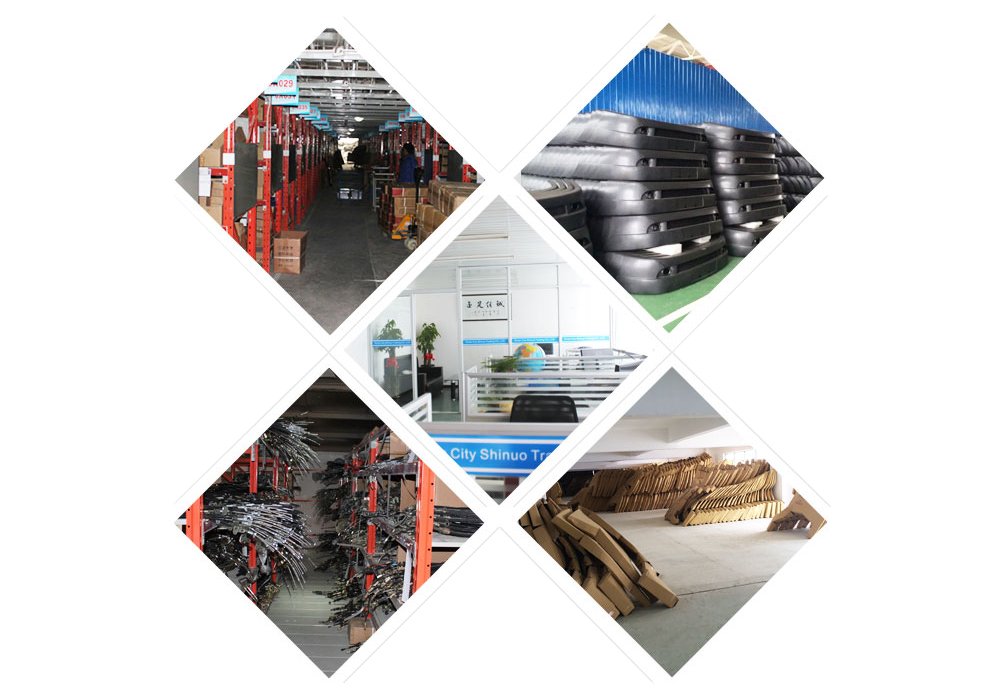
Founded in 2004, Komfort has established a 15-year reputation of steady, pragmatic development in China's premier automotive supply hubs. Headquartered in Zhejiang Province—the industrial heartland of automotive and motorcycle accessories—we leverage highly integrated supply chains and localized technology clusters to deliver top-tier engineering.
As a leading Chinese supplier, Komfort specializes in a comprehensive range of Engine Parts, Chassis Systems, Electrical Components, and Body Accessories. We pride ourselves on executing strict, standardized manufacturing controls.
The company has passed and strictly implements the ISO 9001:2008 certification management system. Our leading house brands, Komfort and QIQI, have earned deep recognition in domestic and international aftermarket networks alike.
Detailed answers to critical technical questions regarding the sourcing, design, and importation of commercial silencers.
Providing reliable engine-room replacement units, sensors, and structural assemblies for commercial fleets and international distributors.