Komfort Auto Parts
The automotive industry is witnessing a considerable surge in the prices of premium auto parts. This trend leads many consumers to ask, "Why are some auto parts so expensive?" Reports from AutoPartsMarket indicate that average prices for high-quality parts have risen by nearly 15% over the past year. Factors contributing to these costs include advanced technology and stringent manufacturing standards that ensure safety and performance.
Manufacturers often invest heavily in research and development to create parts that meet these high standards. According to a study by the Automotive Aftermarket Suppliers Association, innovation costs are a significant factor in pricing. Materials used in premium parts, like high-grade steel or specialized polymers, also add to the overall expense.
However, the high price tag does not always guarantee superior quality. Consumers may find themselves reflecting on whether the benefits justify the costs. Sometimes, lower-priced alternatives offer adequate performance for less demanding conditions. Thus, buyers must consider their specific needs and budget when deciding on auto parts, questioning the real value of premium options in diverse driving situations.
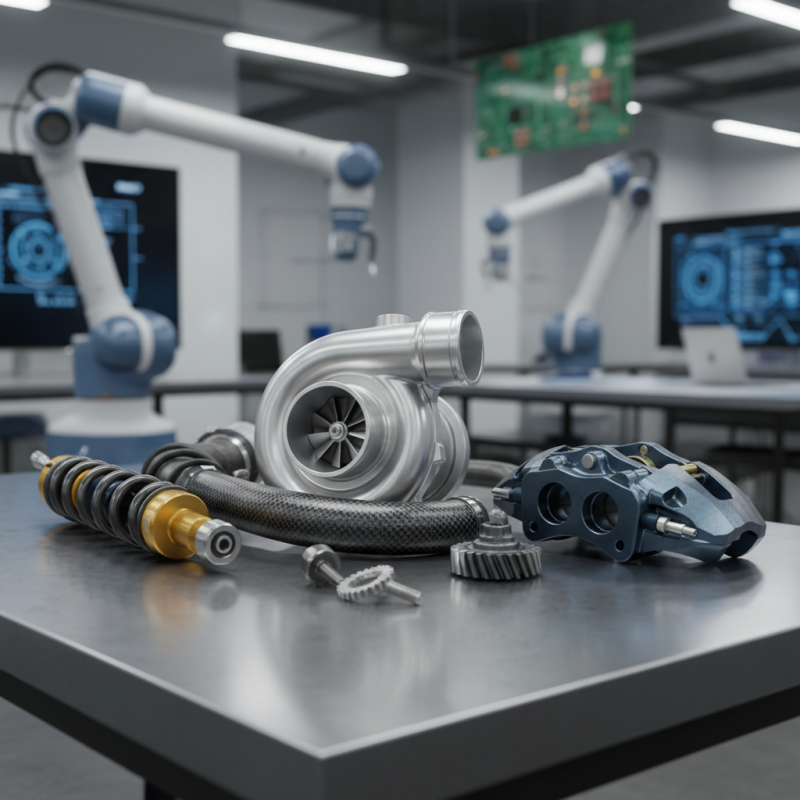
Premium auto parts come with a hefty price tag for a variety of reasons. Quality is a primary factor. These parts often undergo rigorous testing to ensure durability and performance. Manufacturers invest heavily in research and development. The materials used are typically superior and engineered for specific vehicles. This careful selection contributes to the overall cost.
Another significant influence is the supply chain complexity. Sourcing high-quality materials can be challenging. In some cases, limited production runs mean that costs rise. Transportation and logistics also play a role, adding expenses that manufacturers pass on to consumers. The market demand for reliable components drives prices higher.
**Tip:** When purchasing auto parts, consider refurbished options. They often provide similar quality at a lower cost.
**Tip:** Check for compatibility with your vehicle. Misfits can lead to more expenses down the line.
It's worth noting that not all expensive parts guarantee better performance. This can sometimes lead to frustration if expectations are not met. Always weigh the value against your specific needs.
When purchasing auto parts, buyers often encounter a stark price difference between premium options and standard ones. This raises the question of material choices that drive these costs. According to a recent industry report, premium parts often use advanced alloys and composites, offering better durability and performance. These materials can significantly enhance the lifespan of components, making them more cost-effective in the long run.
However, the choice of materials isn't always straightforward. Premium materials can lead to issues like difficulty in sourcing or variations in manufacturing quality. A study highlighted that nearly 30% of consumers reported dissatisfaction with the longevity of premium parts that didn’t meet expectations. This indicates that higher prices do not guarantee superior quality every time. Buyers need to be cautious and consider various factors, including the manufacturer's reputation and material certification.
Furthermore, the automotive industry is evolving, with more emphasis on sustainable materials. Eco-friendly alternatives often come with a price premium. The challenge lies in balancing sustainability with performance. Buyers might find themselves reflecting on whether the higher costs for premium parts align with their values and needs. Ultimately, understanding material choices can empower consumers to make informed decisions in this complex market.
The manufacturing processes behind premium auto parts play a crucial role in their pricing. High-quality materials are often used to ensure durability and performance. These materials undergo rigorous testing and development, which adds to production costs. For instance, components made from advanced alloys may be more expensive but offer greater resistance to wear and tear.
Crafting precision parts requires sophisticated technology and skilled labor. Automated machines perform intricate tasks, but human oversight is essential for quality assurance. Companies invest in training their workforce to maintain high standards. This investment impacts overall pricing. Often, smaller production runs for specialty parts mean higher costs per unit, which may not be evident at first glance.
Despite these factors, some consumers question if the price is justified. There is a temptation to opt for cheaper alternatives. However, the long-term value of premium parts can offset the initial expense. Consumers need to weigh quality and potential savings, creating an ongoing conversation about value in vehicle maintenance. This complexity can lead to mixed opinions on spending in automotive care.
When it comes to premium auto parts, brand reputation plays a crucial role in their pricing. Research shows that consumers often believe that high-priced parts are of greater quality. A survey by AutoPartsDistributor revealed that 78% of buyers associate price with performance. Therefore, brands can command higher prices based solely on their established names.
This phenomenon raises questions about the balance between perception and reality. Some premium parts may not outperform lower-priced alternatives. According to a report from the Automotive Business Institute, nearly 30% of premium parts failed to meet customer expectations. This discrepancy highlights the need for consumers to reconsider their assumptions. The reliance on brand reputation can lead to overspending.
Moreover, manufacturers invest significant resources into marketing and brand building. Such efforts inflate the perceived value of their products. A study from the Vehicle Parts Council indicated that consumers are willing to pay up to 15% more for a part from a recognized brand. Yet, it's essential for buyers to ask if this premium truly guarantees superior quality or just a name. The auto parts market is complex and requires thoughtful reflection from consumers.
The auto parts industry is influenced by numerous market dynamics. Demand for premium auto parts often arises from car owners seeking enhanced performance and longevity. High-quality materials and advanced manufacturing processes drive up costs. Buyers expect reliability, which adds to their willingness to pay more.
Supply issues further complicate the pricing landscape. Manufacturers face challenges related to sourcing materials and labor. Limited production capacity can lead to shortages, pushing prices higher. When demand outstrips supply, it creates a competitive marketplace. Buyers may feel pressured to purchase quickly, often at inflated prices.
This environment leads to reflections on buyer behavior. Many consumers may not fully understand the value behind the price tags. There is a risk of overlooking budget-friendly alternatives that might fulfill their needs. Educating buyers about quality vs. cost could lead to more informed decisions in the auto parts market.
: Price differences often stem from material choices. Premium parts use advanced materials for better durability.
No, higher prices don’t guarantee superior quality. Some premium parts may fall short on longevity expectations.
Manufacturing processes impact pricing. High-quality materials and skilled labor increase production costs.
Premium materials can be hard to source. Variations in manufacturing quality can also create issues.
Sustainable materials often come with a price premium due to their development and sourcing costs.
While cheaper options exist, they may lack durability. It's important to weigh long-term value carefully.
Look at the manufacturer's reputation, material certification, and your own values on sustainability and performance.
Yes, human oversight ensures quality. Even with automation, skilled workers are essential for maintaining standards.
Training workers helps maintain high quality. This investment can influence overall pricing of parts.
Yes, opinions vary. Some feel premium parts are worth the cost, while others prefer cheaper alternatives.
The article "Why Are Premium Auto Parts So Expensive for Buyers?" explores the various factors that contribute to the high costs of certain auto parts. One primary aspect discussed is the quality versus price debate, highlighting how the choice of materials significantly affects the overall price. Premium materials often ensure better performance and longevity but come at a higher cost.
Additionally, the manufacturing processes employed to create these parts can be intricate and costly, thereby impacting pricing. The influence of brand reputation is also emphasized; well-established brands typically command higher prices due to perceived reliability and performance. Finally, the dynamics of market demand and supply further exacerbate the situation, leading to fluctuations in prices. Ultimately, the article answers the question, "Why are some auto parts so expensive?" by shedding light on how quality, manufacturing, brand, and market forces intertwine to shape the cost landscape in the auto parts industry.
