Komfort Auto Parts
Why do car prices change so often? The answer is rarely limited to one cause. Prices move when supply, demand, interest rates, fuel costs, and consumer confidence change. A dealership may reduce a vehicle’s price after weeks of slow sales. Another may raise it when a popular model arrives with only three units available.
Jonathan Smoke, chief economist at Cox Automotive, has described vehicle pricing as “a moving target.” That phrase captures the uncertainty buyers face. His market analysis draws on large volumes of sales and inventory data, making his perspective valuable for understanding pricing behavior. Still, no expert can predict every local price change. Conditions can shift between Monday morning and Friday afternoon.
This introduction will examine the main forces behind changing car prices. It will consider factory incentives, dealership inventory, seasonal demand, used-car values, borrowing costs, and supply-chain pressure. It will also explain why two dealers in the same city may advertise different prices for similar vehicles. Small details matter. A vehicle with an aging model year may carry a larger discount. A scarce trim may sell near its original sticker price.
Some buyers focus only on the advertised number. That can be misleading. Fees, financing terms, trade-in values, and optional equipment may alter the real cost. The market is not perfectly transparent. Buyers sometimes react emotionally, and dealers sometimes misjudge demand. Understanding these imperfections can lead to calmer comparisons and more informed decisions.
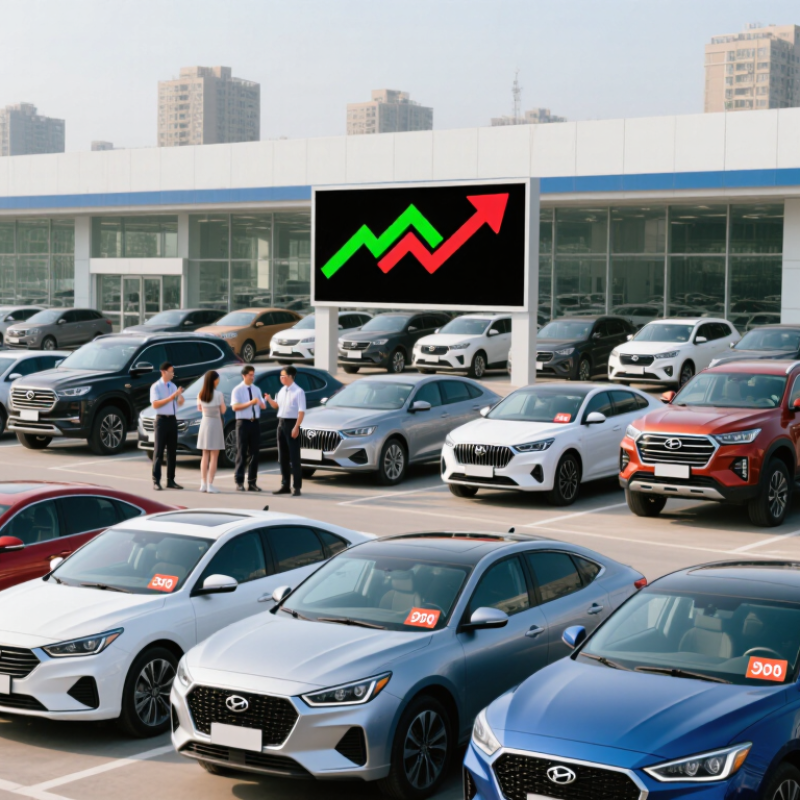
Car prices change because supply and demand rarely stay still. Industry data shows that inventory levels strongly influence new-car transaction prices. When dealership lots fill with unsold vehicles, sellers may offer larger discounts. When popular models arrive in limited numbers, prices can remain firm.
This pattern is visible in monthly market measures. Analysts track vehicle supply, sales pace, incentives, and average transaction prices. A buyer may see fewer discounts when inventory falls from several weeks to only a few. Small changes matter. A crowded lot creates pressure. An empty one does not.
Interest rates also reshape demand. Higher borrowing costs can reduce monthly affordability, even when sticker prices remain unchanged. Dealers may respond with financing incentives instead of direct price cuts. That difference can confuse shoppers. The advertised discount may look helpful, while the total loan cost remains high.
Regional conditions add another layer. A vehicle in heavy supply in one city may be scarce elsewhere. Seasonal demand can also move prices quickly, especially near model-year changes. My own buying experience suggests that timing matters, but timing is not everything. A lower price may reflect aging inventory, fewer features, or limited color choices. Buyers should compare the transaction price, financing terms, dealer fees, and available equipment. Market data offers direction, not certainty. Sales reports can lag behind what shoppers see on the lot.
Interest rates can change a car’s real cost, even when the sticker price stays the same. When the Federal Reserve raises its policy rate, lenders often face higher borrowing costs. Those costs can appear in auto-finance rates and monthly payments. A small rate increase may add hundreds of dollars over a loan term. The effect depends on the amount borrowed, loan length, down payment, and credit history.
Federal Reserve data helps explain broader borrowing conditions, but it does not determine every auto-loan offer. Lenders also assess risk, vehicle age, income, and market demand. A buyer with strong credit may receive a very different payment from another buyer. That difference is easy to overlook. I have noticed that many payment discussions focus only on the monthly figure. That can hide a costly, longer loan.
Tips: Compare total interest, not only monthly payments. Request several written finance quotes within a short period. Check how a larger down payment changes the payment and total cost. Ask whether the rate is fixed. Read every fee carefully. Leave room for insurance, maintenance, registration, and unexpected repairs. A lower payment may feel comfortable today, yet stretch the budget for years. Recheck the numbers before signing.
Top Reasons Why Car Prices Change So Often?
Vehicle prices move because production costs rarely stay still. The U.S. Bureau of Labor Statistics tracks these shifts through the Consumer Price Index and Producer Price Index. Its December 2024 CPI release showed new-vehicle prices were roughly 0.5% higher than a year earlier. Used-vehicle prices fell by about 3.3%. That gap matters. New vehicles reflect factory costs, while used prices respond more quickly to auctions, financing, and inventory.
Steel, batteries, transport, wages, and factory energy all affect production expenses. BLS producer-price data helps show pressure before it reaches showroom pricing. The Federal Reserve’s Beige Book also reported continued wage and input-cost increases across several districts during 2024. Inflation makes each component more expensive. Even a small increase can spread through assembly, shipping, financing, and dealer operations. Tariffs can add another layer by raising the landed cost of imported parts or materials. However, the effect is not always immediate. Companies may absorb some costs, delay adjustments, or reduce equipment and discount spending. The picture is messy. I may be oversimplifying. A vehicle’s final price can change even when its design looks unchanged. Buyers should compare the invoice date, financing rate, delivery fee, and current inventory, not only the sticker price. BLS data is reliable, but it describes market movements rather than one specific vehicle transaction.
Annual-average percentage changes in U.S. consumer price indexes for new vehicles and used cars and trucks, calculated from monthly BLS CPI-U data.
Loading official BLS data...
Vehicle prices can move sharply when inflation raises materials, labor, energy, financing, and transportation costs. Supply disruptions, production capacity, and tariffs can also increase manufacturers’ input costs or restrict supply, while changes in used-vehicle availability can push prices in the opposite direction. The chart uses BLS CPI-U indexes and does not represent any specific company or brand.
Source: U.S. Bureau of Labor Statistics, CPI-U series CUSR0000SETA01 and CUSR0000SETA02. Annual changes are calculated from annual-average indexes.
Car prices rarely move because of one event. Used-car depreciation and wholesale cycles often set the pace behind retail changes. Dealers buy vehicles through wholesale channels, where prices can shift weekly. A three-year-old sedan may lose value after a newer model enters the market. Mileage, accident history, supply, and season also matter. Small details matter.
A widely followed wholesale index tracks these movements across auction transactions. It does not equal the price on a dealer’s window sticker. Instead, it shows vehicle values before retail costs, financing, preparation, and profit margins are added. When the index falls for several months, retailers may lower asking prices slowly. Older inventory must be protected from further depreciation. When wholesale prices rise, retail prices can follow with a delay. The delay feels confusing, but vehicles already sitting on lots were purchased at earlier costs.
From a buyer’s perspective, timing is imperfect. A lower index reading may signal softer prices, yet popular vehicle types can remain expensive. In practical price reviews, mileage updates can change comparisons even when a car looks identical. That is easy to miss. Reliable analysis should compare the index with local listings, days on market, and completed sale prices. Asking prices alone can mislead. Regional weather and fleet returns may distort one month’s data. The index is useful, not perfect.
Car prices can change quickly because several cost pressures move at once. The International Energy Agency tracks electric vehicle sales, battery trends, and policy support worldwide. Its data shows that purchase incentives can strongly influence demand. A tax credit or registration benefit may reduce the buyer’s final cost, while an expired program can make the same vehicle seem suddenly expensive. Rules also differ by income, vehicle origin, and battery requirements.
Battery costs remain central. Battery packs use minerals whose prices can rise after supply disruptions or fall when refining capacity expands. Lower battery costs may give manufacturers room to reduce prices or add more equipment. Yet savings do not always reach shoppers immediately. Factory contracts, transport charges, financing rates, and dealer inventory can delay the effect.
Prices move.
Model-year changes add another layer. When a new model year arrives, older unsold vehicles may receive cash discounts or reduced financing. A newer version may cost more because it includes improved software, safety equipment, or a larger battery. The label alone does not explain the difference. Compare equipment, warranty terms, energy consumption, and real transaction prices.
IEA reports provide valuable market evidence, but they are not a perfect price forecast. Local taxes and incentives can change faster than global trends. I have also found advertised prices less useful when eligibility conditions are buried in fine print. Buyers should check the policy date and calculate the final delivered cost. Small details matter.
Prices respond to supply, demand, incentives, and borrowing costs. Full dealership lots may encourage larger discounts. Limited inventory can keep prices firm.
Several weeks of supply gives sellers more pressure to negotiate. Only a few weeks may reduce discounts. A crowded lot matters.
Yes. Higher rates can increase monthly payments and total interest. The sticker price may remain unchanged. Small rate changes can add hundreds of dollars.
A longer loan may reduce the payment but increase total interest. Compare the full repayment amount. Monthly comfort is not enough.
Compare the interest rate, total interest, loan length, fees, and down payment. Ask whether the rate is fixed. Read every charge carefully.
Yes. A vehicle may be plentiful in one city and scarce elsewhere. Local inventory and demand can change negotiation power.
Prices may shift near seasonal demand changes or model-year updates. Older inventory may receive larger discounts. Features and color choices could be limited.
Include insurance, maintenance, registration, repairs, and loan costs. Keep room for surprises. I may focus too much on the advertised price.
Market reports show broad direction, not certainty. Data may arrive after conditions change. Check current inventory, written offers, and final fees.
Why do car prices change so often? The main reason is that vehicle pricing responds to constantly shifting market conditions. When inventory is limited and buyer demand rises, new-car prices may increase; when supply improves or demand weakens, discounts can return. Interest rates also play a major role because higher borrowing costs raise monthly payments and reduce purchasing power, while lower rates can make vehicles more affordable. Production expenses, inflation, labor costs, and tariffs may further increase the cost of building and transporting vehicles.
Used-car prices follow their own cycle. Depreciation, auction values, inventory levels, and seasonal demand can all influence retail prices. In addition, electric vehicles may experience extra changes because battery costs, government incentives, charging developments, and model-year updates affect their overall value. Together, these forces explain why car prices can move frequently, even within a single year. Understanding supply, financing, manufacturing, and resale trends can help buyers make better timing and budgeting decisions.
