Komfort Auto Parts Komfort Auto Parts

How to Know Why Car Parts Need Regular Replacement?

Time:2026-09-16 Author:Ethan
0%

A car rarely fails because one part suddenly becomes “old.” More often, small wear accumulates until a brake pad becomes dangerously thin, a battery struggles on a cold morning, or a cracked belt leaves a driver stranded. Why do car parts need regular replacement? They face friction, heat, vibration, chemicals, and changing weather every day. Mileage matters, but time matters too.

The AAA 2020 Your Driving Costs study estimated that maintenance, repair, and tire expenses averaged 9.68 cents per mile for new vehicles. Its research also found that many U.S. drivers were unprepared for unexpected repair costs. These figures show a practical truth: scheduled replacement can cost less than emergency failure. NHTSA’s TireWise guidance advises replacing tires when tread reaches 2/32 inch, while also warning that age and visible damage deserve attention. A tire can look acceptable. It may still be unsafe inside.

John Nielsen, former AAA Director of Automotive Engineering and Repair, said, “The best way to avoid costly repairs is to follow the manufacturer’s recommended maintenance schedule.” This advice remains useful, but it is not a perfect formula. Driving style, road salt, short trips, heavy loads, and neglected inspections can change a part’s real lifespan. A manufacturer’s interval is a starting point, not a guarantee. This article examines the warning signs, service intervals, and professional inspection methods that explain why replacement is necessary before failure occurs. Sometimes, the smartest repair is the one completed early.
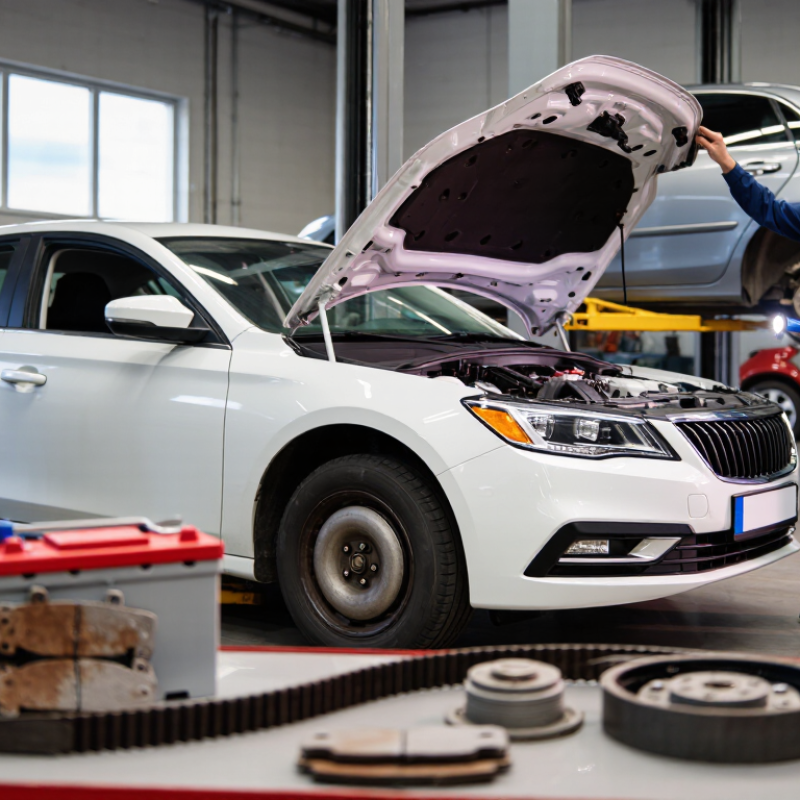
How to Know Why Car Parts Need Regular Replacement?

What Regular Car Parts Replacement Means

Regular car parts replacement means managing wear before it becomes a safety problem. It does not mean changing every component on a fixed date. Brake pads become thinner, wiper blades leave narrow water trails, and engine filters slowly collect debris. Small changes can affect stopping distance, visibility, fuel use, and comfort.

A service schedule is a guide, not a prophecy. Driving habits, weather, road dust, and traffic can shorten component life. A vehicle used for short urban trips may stress its battery and brakes differently from one driven on highways. NHTSA recorded 622 deaths in tire-related crashes in 2021, showing why tire inspections and timely replacement matter. Check tread depth, sidewall damage, and pressure regularly. Do not wait for a warning light.

Industry data also supports planned maintenance. The 2024 AAA Your Driving Costs report places maintenance, repairs, and tire expenses near ten cents per mile for several vehicle categories. That cost can feel inconvenient, but a worn belt or neglected battery may create a larger repair bill. A technician should compare inspection findings with the vehicle’s service manual. Mileage alone is imperfect. I have seen replacement schedules treated too rigidly, even when parts were still healthy or already damaged. Photographs, measured brake thickness, battery testing, and clear service records make the decision more reliable. The overlooked detail is often the most expensive one.

How to Know Why Car Parts Need Regular Replacement?

Typical replacement intervals for common vehicle maintenance items. Actual service timing depends on vehicle design, driving conditions, climate, and part wear.

Regular replacement is necessary because fluids lose protective properties, filters become restricted, friction materials wear down, and heat cycles reduce component performance. The figures show widely used approximate service intervals in kilometers, not fixed guarantees. Always inspect parts and follow the maintenance schedule specified for the vehicle.

Why Car Parts Wear Out Over Time

Car parts wear out because they face heat, friction, vibration, moisture, and repeated pressure. Engine oil loses protective additives as temperatures rise. Brake pads gradually become thinner during every stop. Rubber belts and hoses harden, even when the vehicle is parked. Time matters, not only mileage.

Tires show this clearly. The National Highway Traffic Safety Administration reports that tires can lose about 1 psi monthly, even without visible damage. Low pressure increases sidewall flex and heat, accelerating wear. Sunlight and ozone also weaken rubber. A tire may look acceptable but still have aging-related damage.

NHTSA advises regular inspections and recommends special attention to tires after five years of service.

Driving habits change the rate. Frequent short trips leave engines cold and increase moisture buildup. Heavy traffic creates repeated braking and heat cycles. Rough roads stress suspension joints, bearings, and steering components. AAA’s 2023 Your Driving Costs study estimated maintenance, repair, and tire expenses at about 9.83 cents per mile for new vehicles. That figure is an average, not a promise. I have seen owners delay replacement because a part “still works.” That judgment can be misleading. A worn belt, cracked hose, or thin brake pad may fail suddenly. Service records, inspection measurements, and the vehicle’s operating conditions provide better evidence than appearance alone.

How to Identify Parts That Need Replacement

How to Identify Parts That Need Replacement

Regular replacement should begin with evidence, not a calendar reminder. During an inspection, check tire tread, sidewall cracks, uneven wear, and pressure. A tread depth gauge is more reliable than visual judgment. At 2/32 inch, tires are legally worn in many regions, but wet-road grip may decline earlier. Do not ignore one bald shoulder. It can indicate poor alignment or suspension wear.

Brake pads need measurement, not guesswork. A mechanic should record pad thickness, rotor condition, fluid level, and stopping symptoms. Grinding, vibration, or a longer pedal deserves prompt inspection. Batteries also need testing under load. A dashboard warning light is useful, but it is not a diagnosis. Cold starts, dim lights, and slow cranking provide practical clues. I have seen drivers replace a battery when corrosion or a loose connection caused the problem. That mistake is expensive.

The Auto Care Association’s 2024 Factbook reported an average U.S. light-vehicle age of about 12.6 years in 2023. Older vehicles require closer inspection of belts, hoses, seals, and suspension joints. The Federal Reserve’s 2023 household report found that 63% of adults could cover a $400 emergency using cash or savings. Preventive checks can reduce financial surprises, though maintenance schedules are not perfect. Record mileage, test results, and visible damage. Then compare changes over time, rather than replacing parts on habit alone.

How to Know Why Car Parts Need Regular Replacement? - How to Identify Parts That Need Replacement

Replacement timing depends on vehicle design, mileage, driving conditions, climate, maintenance history, and inspection results. The intervals below are general guidelines; always compare them with the vehicle owner's manual and replace safety-critical parts when damage or unsafe wear is found.

Part or Component Typical Replacement Basis Common Signs of Wear or Failure How to Identify the Problem Replacement Priority
Engine Oil and Oil Filter Often every 5,000–10,000 miles or according to the maintenance schedule. Severe use may require shorter intervals. Dark or contaminated oil, low oil level, increased engine noise, oil-pressure warning, or visible leaks. Check the oil level and condition on level ground, inspect for leaks, and review the service record. A warning light requires prompt attention. High if the oil-pressure warning is illuminated
Engine Air Filter Commonly inspected at each service and replaced around 15,000–30,000 miles, depending on dust exposure and vehicle design. Reduced acceleration, poor fuel economy, a visibly dirty filter, or restricted airflow. Remove and inspect the filter in good lighting. Excessive dust, oil contamination, or damaged pleats indicates replacement is needed. Routine
Cabin Air Filter Usually replaced every 12,000–20,000 miles or annually, with shorter intervals in dusty or polluted areas. Weak airflow, unpleasant odors, increased window fogging, or dust entering the cabin. Check the filter behind the glove compartment or in the HVAC intake area. A clogged or damp filter should be replaced. Routine
Brake Pads Wear varies widely; replacement is commonly required when the friction material approaches the manufacturer's minimum thickness. Squealing, grinding, longer stopping distance, brake vibration, pulling to one side, or a low-pad warning. Measure pad thickness during inspection and check the brake rotor condition. Grinding usually indicates urgent inspection to prevent further damage. High
Brake Rotors or Discs Replaced when below the minimum thickness, severely scored, cracked, warped, or unable to meet machining limits. Steering-wheel or pedal vibration during braking, deep grooves, blue heat spots, or repeated brake pulsation. Measure rotor thickness and runout with proper tools. Visual inspection alone cannot confirm whether a rotor meets specifications. High
Tires Replace when tread reaches the legal or manufacturer limit, when damage is present, or when the tire is aged or deteriorated. Low tread, uneven wear, cracks, bulges, repeated pressure loss, vibration, or reduced wet-road grip. Use a tread-depth gauge, inspect the sidewalls and tread, check the tire date code, and verify inflation pressure when cold. High
Battery Many conventional automotive batteries last approximately 3–5 years, but temperature and usage can shorten service life. Slow cranking, clicking during startup, dim lights, corrosion around terminals, or repeated jump-starts. Test resting voltage and starting performance with a battery tester. Inspect terminals, case condition, and the charging system. Medium to high
Spark Plugs Replacement intervals vary significantly; many modern plugs are scheduled between 30,000 and 100,000 miles. Misfires, rough idling, hard starting, reduced power, poor fuel economy, or an illuminated engine warning light. Review the maintenance schedule and inspect removed plugs for worn electrodes, deposits, oil contamination, or incorrect gap. Medium
Serpentine Drive Belt Inspect regularly and replace when cracked, frayed, glazed, contaminated, or excessively stretched. Squealing, visible cracks, loss of power steering assistance, charging problems, or overheating caused by accessory failure. Inspect the belt ribs and edges with the engine switched off. Check the tensioner and pulleys for noise or misalignment. High if damaged or slipping
Timing Belt Often scheduled around 60,000–105,000 miles or by age, depending on the engine design. The exact interval is vehicle-specific. Visible belt deterioration, ticking noise, starting failure, or engine misfire. It may also fail without clear warning. Follow the prescribed mileage and age interval. Replacement commonly includes related tensioners and water-pump components when specified. High
Shock Absorbers and Struts Inspect commonly from about 50,000 miles onward, but replace based on leakage, poor damping, or failed performance tests. Excessive bouncing, nose-diving under braking, body roll, uneven tire wear, fluid leakage, or reduced handling control. Check for oil leakage, damaged mounts, uneven tire wear, and abnormal movement during a controlled road test or suspension test. Medium to high
Coolant Replace according to the coolant type and vehicle schedule; many modern systems require service roughly every 30,000–100,000 miles or several years. Overheating, low coolant level, rusty or contaminated fluid, sweet odor, or visible cooling-system leaks. Check the level only when the engine is cool, test freeze and corrosion protection, and inspect hoses, the radiator, and the expansion tank. High if overheating occurs
Brake Fluid Often replaced every 2–3 years, or according to the manufacturer's service schedule, because it absorbs moisture over time. Soft or spongy pedal, dark fluid, reduced braking performance, or moisture-related corrosion in the braking system. Use a moisture or boiling-point test and inspect the fluid color and reservoir level. Do not open the reservoir unnecessarily in a contaminated area. High
Windshield Wiper Blades Usually replaced every 6–12 months, or whenever wiping quality deteriorates. Streaking, skipping, squeaking, missed areas, split rubber, or hardened blade edges. Operate the washers and wipers, then inspect the rubber edge and the condition of the wiper arm. Replace if visibility is compromised. Medium
Wheel Alignment Components Inspect after pothole or curb impacts, suspension repairs, or whenever abnormal tire wear appears. Vehicle pulling, an off-center steering wheel, uneven tread wear, or unstable handling. Check tire wear and steering position, then confirm alignment with a calibrated alignment machine. Replace bent or worn components before alignment. Medium to high

Safety reminder: Stop driving and arrange a professional inspection for loss of braking power, severe overheating, a flashing engine warning light, tire bulges, major fluid leaks, or unusual steering and suspension behavior.

When Different Car Parts Should Be Replaced

How to Know Why Car Parts Need Regular Replacement?

When Different Car Parts Should Be Replaced

Replacement timing depends on mileage, age, driving conditions, and visible wear. Brake pads may need changing around 30,000 to 70,000 miles, but heavy traffic can shorten that period. Tires often last three to six years, even when tread remains. Cracks, bulges, uneven wear, or frequent air loss require attention. Wiper blades usually perform well for six to twelve months. Replace them when they leave streaks or chatter across wet glass. Small problems can become expensive quickly.

Tips: Check the owner’s manual and keep a simple service record. Inspect tire pressure monthly, preferably when the tires are cold. Ask a qualified technician to measure brake-pad thickness, battery strength, and suspension wear. Do not rely only on dashboard warnings. They can appear late.

Belts, hoses, filters, and batteries also have different service lives. A timing belt may require replacement by age or mileage, even if it looks fine. A weak battery may start the car normally one morning and fail during a cold night. Mileage alone can mislead. Short trips, dusty roads, heat, and carrying heavy loads increase stress. The schedule is useful, but it is not perfect. I once treated a routine interval as optional; a closer inspection showed hardened rubber and shallow tire wear. Regular checks remain the safer guide.

How Regular Replacement Supports Vehicle Safety and Performance

Regular replacement is a practical part of vehicle safety, not merely a maintenance expense. Brake pads, tires, filters, belts, and wiper blades gradually lose their working ability. Their decline may be quiet at first. A worn brake pad can require more stopping distance, especially on a wet road. Old tires may look acceptable but have hardened rubber and shallow tread. These details affect grip, steering control, and emergency response.

I once delayed replacing a cabin filter because airflow still seemed adequate. A month later, the windows fogged quickly, and the blower worked harder. That small decision reduced comfort and distracted me while driving. It also reminded me that visible failure is not the only warning. A qualified technician can measure brake thickness, inspect belt cracks, check tire age, and identify fluid leaks. Maintenance records add useful evidence when symptoms are unclear. Schedules should guide decisions, but driving conditions matter too. Heavy traffic, dusty roads, frequent short trips, and extreme temperatures can shorten service intervals.

Replacement parts must match the vehicle’s specifications and be installed correctly. Poor fitment can create vibration, uneven wear, or unreliable braking. After replacement, a careful road test can reveal pulling, noise, or unusual pedal response. Some recommendations deserve review, not blind acceptance. Ask what failed, how it was measured, and what risk delay creates. A clear explanation supports informed decisions and helps preserve stable handling, predictable performance, and safer journeys.

FAQS

What does regular car parts replacement mean?

It means replacing worn parts before they create safety or performance problems. It does not mean replacing everything on one fixed date.

Which parts commonly need regular inspection?

Check tires, brake pads, wiper blades, filters, belts, hoses, batteries, and suspension joints. Small wear can affect braking, visibility, and comfort.

How can I tell when tires need replacement?

Check tread depth, pressure, sidewall cracks, and uneven wear. A tread gauge is better than visual judgment. One bald shoulder may signal alignment trouble.

What tire tread depth requires attention?

At 2/32 inch, tires are worn in many regions. Wet-road grip may decline earlier. Replace damaged or hardened tires without waiting for a warning light.

How should brake pad replacement decisions be made?

Use measurements, not guesses. Record pad thickness, rotor condition, fluid level, and stopping symptoms. Grinding, vibration, or a longer pedal deserves prompt inspection.

Can mileage alone determine replacement timing?

No. Traffic, short trips, dust, weather, and driving habits change part life. A schedule is useful, but it is not a prophecy.

What battery signs deserve attention?

Slow cranking, dim lights, and difficult cold starts can indicate battery trouble. Load testing matters. Sometimes corrosion or a loose connection causes the problem instead.

Why do older vehicles need closer inspections?

Older vehicles may develop cracks, leaks, hardened rubber, and loose suspension joints. Inspect belts, hoses, seals, and joints more carefully. Age quietly changes things.

What records should a driver keep?

Keep mileage, test results, measured thickness, photographs, and visible damage. Comparing changes over time supports better decisions. I sometimes trust schedules too much.

What should happen after replacing a part?

Confirm correct fitment and complete a careful road test. Watch for pulling, vibration, unusual noise, or strange pedal response. Do not assume everything is perfect.

Conclusion

Regular car parts replacement means changing components before wear becomes a serious problem, helping a vehicle remain reliable, safe, and efficient. Why do car parts need regular replacement? Because constant use, heat, friction, weather, road conditions, and aging gradually reduce the strength and effectiveness of many parts. Brakes, tires, filters, belts, fluids, batteries, suspension components, and other systems can all lose performance over time, even when no obvious failure has occurred.

Drivers can identify replacement needs through warning lights, unusual sounds, reduced braking ability, uneven tire wear, vibrations, fluid leaks, or changes in fuel efficiency and handling. However, some wear is less noticeable, so inspection schedules and maintenance records are also important. Different parts require replacement at different intervals based on mileage, time, driving habits, and operating conditions. Replacing worn components at the proper time supports vehicle safety, improves performance, prevents more expensive damage, and provides greater confidence on the road.

Ethan

Ethan

Ethan is a seasoned marketing professional with a deep expertise in our company's innovative product line. With a passion for sharing knowledge and insights, he takes the lead in regularly updating our corporate blog, where he explores industry trends, product features, and effective marketing......