Komfort Auto Parts
Car maintenance can be daunting for many. However, knowing how to fix common car problems at home can save both time and money. According to a recent survey by AAA, approximately 35 million Americans encounter a car issue that they could address themselves. This statistic highlights the importance of understanding some basic repair tasks.
The ability to perform simple fixes at home empowers car owners. With online resources and tutorial videos, it’s easier than ever to learn. Common problems, such as replacing wiper blades or changing oil, often require minimal tools. An annual report from the Automotive Service Association shows that DIY repairs can reduce service costs by up to 60%. Such savings motivate many to take charge of their vehicle's upkeep.
Nevertheless, it’s essential to recognize limitations. Not every problem can be fixed at home. Some issues may require professional expertise. Additionally, attempting certain repairs without proper knowledge could lead to more significant problems. Balancing DIY skills with professional help is vital for effective car maintenance.
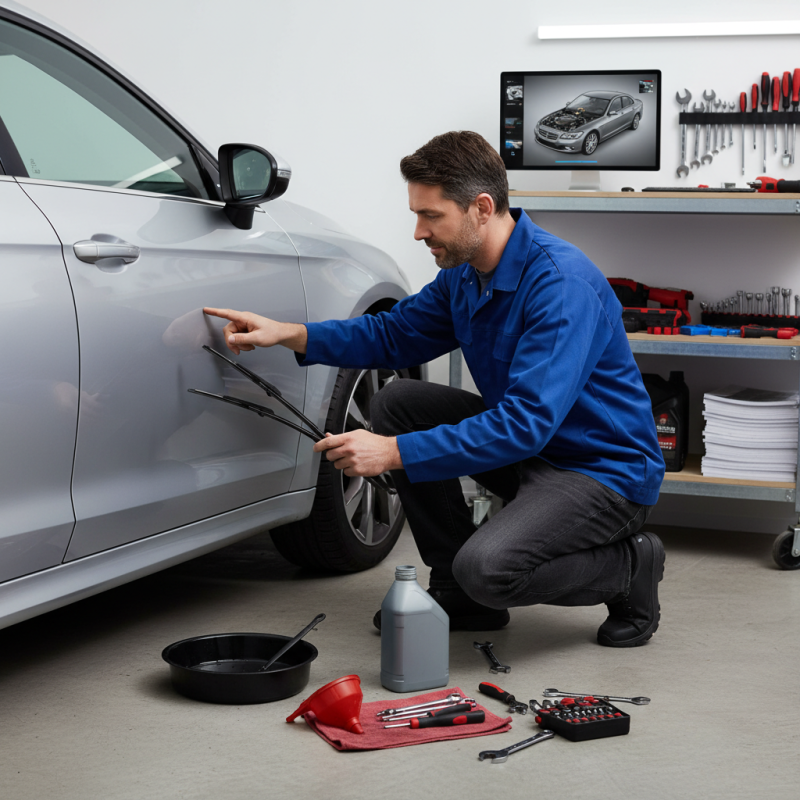
When you're experiencing car trouble, identifying the problem is the first step to making repairs at home. Many car owners face issues that can be fixed without professional help. According to a report by AAA, approximately 30% of vehicle owners would prefer to handle minor issues instead of visiting a mechanic. Simple problems often include dead batteries, flat tires, and changing air filters.
One common issue is a dead battery. Statistics show that around 50% of battery failure problems occur in winter months. Testing your battery can be straightforward with a voltmeter. Flat tires, another frequent issue, can also be addressed using a spare tire and a jack. While it may seem daunting, many drivers can learn to do this with online tutorials. Don't shy away from these DIY fixes; they can save time and money.
However, not all repairs will go smoothly. It’s easy to miss small details or overlook safety steps. It’s important to apply caution. If you’re unsure about the repair, consider seeking guidance. The internet provides plenty of resources, but self-repair does carry risks. The bottom line is that understanding these common problems helps you feel more competent and confident in managing your car's needs.
When it comes to DIY car repairs, having the right tools is essential. A survey by the Automotive Aftermarket Suppliers Association found that 70% of car owners prefer to handle minor repairs themselves. This trend highlights the importance of equipping oneself with the essential tools for home repairs. A basic toolkit often includes a wrench set, screwdrivers, pliers, and a jack. Owning these tools not only empowers you to fix common issues but also saves money in the long run.
Understanding how to use these tools effectively is crucial. For example, many car problems like changing oil or replacing a battery can be tackled with just a few basic tools. A study by the Bureau of Labor Statistics showed that routine maintenance can prevent about 30% of serious car issues. However, DIY repairs require patience and caution. Not everyone feels comfortable working under the hood, especially without experience. A little mistake can lead to more significant problems down the line, making it important to research before starting any task.
Safety should always come first. Wearing gloves and protective eyewear while working will minimize risks. Additionally, it's wise to refer to a repair manual or trusted online resources. These resources can guide novice mechanics through various repair processes. While many enjoy the challenge, it’s okay to seek professional help for complicated repairs. Balancing DIY skills and understanding your limits is part of becoming a responsible car owner.
Changing a flat tire is a common task many drivers face. It's essential to be prepared. Start by gathering your tools: a spare tire, jack, wrench, and wheel chocks. Finding a flat surface to park is crucial. Ideally, it should be free of traffic and well-lit if you're at night.
Begin by loosening the lug nuts while the tire is still on the ground. This step can be tough; applying pressure might be necessary. Once loose, use the jack to lift the vehicle. Ensure you follow the instructions carefully, as using the jack incorrectly can lead to accidents. After lifting, remove the lug nuts completely and take off the flat tire.
When mounting your spare, align it properly with the wheel studs. Tighten the lug nuts by hand initially. It's tempting to overlook this part, but it’s vital for safety. After lowering the car, tighten the nuts fully using the wrench. Regular practice can make this task easier, but approach it with caution. Each time is an opportunity for improvement and learning.
| Problem | Tools Required | Estimated Time | Difficulty Level |
|---|---|---|---|
| Changing a Flat Tire | Jack, Lug Wrench | 30 minutes | Easy |
| Replacing Windshield Wipers | New Wiper Blades | 15 minutes | Very Easy |
| Changing Motor Oil | Oil Filter, Wrench, Oil | 45 minutes | Medium |
| Replacing Air Filter | New Air Filter | 20 minutes | Easy |
| Replacing Headlight Bulbs | New Bulbs | 30 minutes | Medium |
| Fixing Minor Dents | Dent Repair Kit | 1 hour | Medium |
| Changing Brake Pads | Jack, Wrench, New Pads | 1-2 hours | Medium |
| Replacing Battery | Wrench, New Battery | 30 minutes | Medium |
| Fixing a Leaky Hose | Hose Clamp, New Hose | 1 hour | Medium to Hard |
| Cleaning Fuel Injectors | Fuel Injector Cleaner | 30 minutes | Easy |
When it comes to car maintenance, checking and replacing your car’s battery can be done at home with relative ease. A study by the Car Care Council indicated that around 25% of all vehicle breakdowns are battery-related. This statistic highlights the significance of understanding battery health.
To check your battery, first, inspect it for corrosion or loose connections. Clean any debris carefully. Use a multimeter to measure voltage. A healthy battery typically reads between 12.4 and 12.7 volts. If it's below 12 volts, your battery likely needs replacing. The process is straightforward, but it’s essential to handle batteries with care.
Replacing the battery involves a few basic tools, such as a wrench and gloves. Remember to disconnect the negative terminal first to prevent short-circuits. While many feel confident tackling this, it’s crucial to ensure all connections are secure. Improper installation can lead to additional issues. Reviewing manufacturer guidelines can enhance the reliability of your installation. Even minor mistakes can have significant consequences, so take your time and double-check your work.
Maintaining your car's engine performance is crucial for its longevity and efficiency. Regular upkeep can save you time and money in repairs. According to a report from the Automotive Maintenance and Repair Association, about 70% of vehicle failures are due to improper maintenance. Simple tasks can help avoid these issues.
Checking your oil level regularly is vital. A low oil level can lead to increased friction between engine parts, causing damage. Change your oil every 3,000 to 5,000 miles. This practice ensures that your engine runs smoothly. It also optimizes fuel efficiency. According to the American Automobile Association, using the correct oil can improve your car's mileage by up to 2%.
Moreover, monitoring your air filter is essential. A dirty air filter reduces engine performance and fuel efficiency. Replace it every 12,000 to 15,000 miles for optimal airflow. Interestingly, research shows a clean air filter can improve acceleration by up to 11%. Take time to inspect your car. Address small issues before they turn into big problems. Neglecting basic maintenance often leads to costly repairs later.
: Gather your tools first. You need a spare tire, jack, wrench, and wheel chocks.
Find a flat and well-lit area. Make sure it’s free of traffic for safety.
Loosen the lug nuts while the tire is still on the ground. This can be tough.
Regular practice improves your skills. Each attempt is a chance for learning.
Change your oil every 3,000 to 5,000 miles. This keeps the engine running smoothly.
Using the correct oil can help. It may improve mileage by up to 2%.
Change the air filter every 12,000 to 15,000 miles. A clean filter boosts performance.
Neglecting maintenance can lead to costly repairs. Small issues can become bigger problems.
Yes, regularly check the oil and air filter. Simple upkeep saves time and money.
Low oil can increase friction in the engine. This may lead to damage over time.
This article discusses essential skills and knowledge for car owners on how to fix common car problems at home. It begins with identifying typical issues that can arise, empowering readers to recognize problems before they escalate. The article also outlines the essential tools needed for DIY car repairs, ensuring that even novice mechanics are equipped for the task.

Key sections include a step-by-step guide to changing a flat tire, tips for checking and replacing your car's battery, and straightforward methods for maintaining engine performance. By following these guidelines, car owners can save time and money while gaining confidence in their ability to handle basic car repairs effectively. Ultimately, this resource aims to make it easier for individuals to learn how to fix common car problems at home.