Komfort Auto Parts
Proper storage of auto parts can significantly extend their lifespan. Understanding how to store auto parts correctly is essential for every car enthusiast and mechanic. Neglecting this important aspect may lead to corrosion, damage, and ultimately costly repairs.
The environment in which auto parts are stored plays a pivotal role in their longevity. Humidity, temperature, and exposure to sunlight can adversely affect parts like batteries, rubber seals, and metal components. Using moisture absorbers and keeping components in a cool, dry place can make a big difference.
It’s easy to overlook small details, such as labeling containers or using protective wraps. However, these practices can save time and prevent frustration later on. Taking the time to assess your storage methods can lead to lasting benefits. Storing auto parts correctly is more than just a necessity; it is an investment in the durability and functionality of your vehicle.
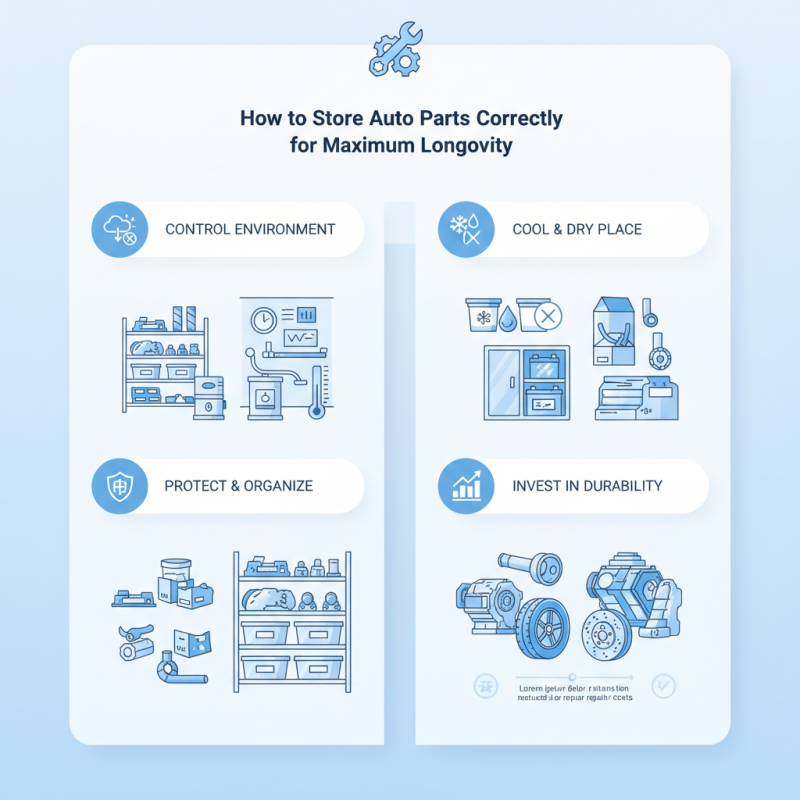
Proper storage of auto parts significantly impacts their longevity. When components are stored incorrectly, they can suffer from rust, corrosion, or deterioration. For instance, rubber parts may dry out, leading to cracks and leaks. Metal components can rust due to moisture exposure. Understanding the environment in which parts are stored is crucial.
A clean, dry space is ideal for storing auto parts. Temperature fluctuations can harm certain materials, so a climate-controlled area works best. Boxes or containers should be labeled clearly to ensure easy access. This prevents the risk of mixing parts or losing them. But, it’s essential to reflect on your organization methods. Sometimes, even the best intentions lead to clutter. Assessing your storage regularly can help identify inefficiencies.
Humidity control is another key factor. Using desiccants can help reduce moisture levels. However, don’t overlook airflow. Stagnant air can also lead to problems. Regularly check your stored parts for signs of damage. Recognizing early warning signs can avert costly repairs. This meticulous approach fosters a more efficient storage system for auto parts.
Choosing the right environment for storing auto parts is crucial for their longevity. Factors like temperature, humidity, and light exposure can significantly impact the durability of various materials. Ideally, keep parts in a cool, dry place, away from direct sunlight. Extreme temperatures can cause materials to warp or degrade over time.
Tips: Always inspect the storage area. Look for moisture, pests, or excessive heat. These can introduce unwanted variables. Ensure proper ventilation, especially for parts that may emit fumes or gases.
Consider using storage containers that provide isolation from external elements. Plastic bins with tight-fitting lids can guard against dust and moisture. Paint, rubber, and metal components are particularly vulnerable without protection.
Monitor the environment periodically. Changes in conditions can sneak up on you. Remember, it’s about creating a protective cocoon for your parts. An occasional check can prevent damage and save costs in the long run.
Cleaning and preparing auto parts for storage is essential for longevity. According to a study by the Specialty Equipment Market Association, proper maintenance can extend the lifespan of parts by up to 40%. Start by washing parts with a degreaser. This step removes grease and prevents corrosion during storage. Rinse thoroughly to eliminate any residue.
Next, dry parts completely. Moisture can lead to rust, a common issue for metal components. Use compressed air to ensure no water remains in crevices. Additionally, applying a protective coating—such as oil or a rust inhibitor—adds an extra layer of defense against moisture and dirt.
Label each item as you clean it. This practice improves organization and reduces the chance of misplacing parts. When storing, avoid stacking to prevent damage. Create an environment with stable temperature and low humidity. Regular checks can also be beneficial, allowing you to catch any potential damage early. Proper storage requires attention and mindfulness; it’s easy to overlook small details that lead to long-term issues.
This chart illustrates the effectiveness of various cleaning and preparation methods for extending the longevity of auto parts during storage.
Organizing your storage space for auto parts is essential for easy access and efficient inventory management. Start by designating a specific area for your parts. Clear any clutter to create a dedicated space. Use shelving units to maximize vertical storage. Label each shelf clearly with categories like “brakes,” “electrical,” or “engine components.” This will save time when you need specific items.
Consider using bins or small containers for smaller parts. These can be stacked or placed on shelves. Ensure each container is labeled. This minimizes the chances of misplacing parts. Regularly update your inventory. Track what you have and what you need. This can be done simply by keeping a checklist. Occasionally review your storage setup for improvements. You might find that certain items need relocation for better efficiency.
Evaluate the accessibility of your stored parts. Are frequently used items easily reachable? If not, adjust your organization. The goal is to create a flow where you can find everything at a glance. Imperfections may arise, and that's okay. Learn from how you use your space and be flexible with your system. Adapt as your collection grows or shifts.
Regular inspections and maintenance are crucial for preserving the functionality of stored auto parts. A study by the Automotive Aftermarket Suppliers Association indicates that improper storage can decrease a part's lifespan by as much as 30%. Dust, moisture, and temperature fluctuations can lead to corrosion and deterioration. Therefore, conducting regular checks is essential to avoid these issues.
Every month, inspect parts for signs of wear or damage. Check for rust on metal components and ensure rubber parts don’t crack or dry out. Keeping parts clean significantly reduces the chance of buildup that can lead to long-term damage. The Center for Automotive Research advises rotating stored parts regularly. This helps ensure even exposure to air circulation, preventing moisture accumulation.
Remember to keep an inventory log. This practice not only aids in tracking which items need attention but also helps in understanding usage patterns. Neglecting this could lead to unforeseen failures when parts are eventually needed. While it's easy to overlook small details, these are often the most telling signs of future problems. Regular checks can mean the difference between a functional vehicle and costly repairs down the line.
: Designate an area for your parts and clear any clutter to create a dedicated space.
Use shelving units to store parts and label each shelf with categories like brakes or electrical components.
Regularly update your inventory by maintaining a checklist of what parts you have and need.
Use bins or small containers for smaller parts, and be sure to label each one to minimize misplacement.
Conduct inspections every month for signs of wear, such as rust on metal parts and cracks in rubber components.
Improper storage can reduce a part's lifespan by up to 30%, leading to corrosion and deterioration.
Keeping parts clean minimizes buildup and long-term damage from dust, moisture, and temperature fluctuations.
Rotating parts ensures even air exposure and prevents moisture accumulation, reducing the risk of damage.
Neglecting checks can lead to unexpected failures and costly repairs when parts are eventually needed.
Accept that imperfections will arise. Learn from your usage patterns and adapt your organization as needed.
Properly storing auto parts is essential for ensuring their longevity and optimal performance over time. To understand how to store auto parts correctly, it is crucial to select an appropriate environment—cool, dry, and away from direct sunlight is ideal. Cleaning and preparing parts before storage not only prevents corrosion but also maintains their integrity. Organizing the storage space effectively makes accessing and managing inventory much easier, saving time and effort when parts are needed.
Regular maintenance checks are vital for assessing the condition of stored auto parts, as they can identify potential issues before they become serious. By following these best practices, you can significantly extend the life of your auto parts, ensuring they are ready for use whenever you need them.