 Komfort Auto Parts
Replacing auto parts can save time and money, but a small mistake may create a serious hazard. Before touching a vehicle, park it on firm, level ground and switch off the engine. Engage the parking brake. Chock the wheels. Never rely on a jack alone. Use properly rated jack stands beneath approved support points. These simple actions answer part of the question, “What safety rules for replacing auto parts,” but they are only the beginning.
Wear safety glasses, cut-resistant gloves, and suitable clothing around moving components. Disconnect the battery before working near electrical systems, airbags, or starter wiring. Let hot engines, brakes, exhaust parts, and fluids cool completely. Follow the vehicle manufacturer’s service instructions, torque specifications, and replacement procedures. A certified technician can identify risks that a general repair guide may miss. Keep tools organized, and remove loose parts from the engine bay before starting the vehicle. Clean spilled oil or coolant immediately. Do not ignore unusual smells, damaged wiring, cracked fasteners, or unstable lifting equipment.
Even experienced owners make mistakes. I have seen a repair seem complete until one loose connector caused a warning light. Test the vehicle carefully in a controlled area. Check for leaks, strange sounds, vibration, and warning messages. Stop if anything feels wrong. Safety is not just about finishing the repair. It is about knowing when professional help is the wiser choice.
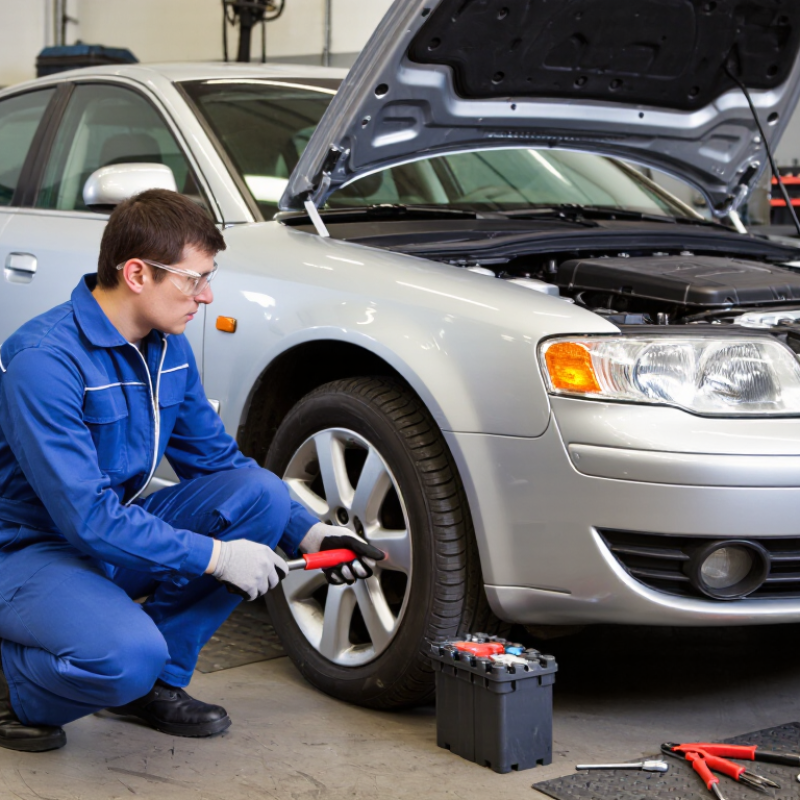
Replacing auto parts safely begins with identifying hazards before touching a tool. Park on firm, level ground and switch off the engine. Let hot components cool completely. A warm exhaust pipe can cause serious burns within seconds. Check for fuel leaks, damaged wiring, sharp metal edges, and unstable body panels. Keep the work area dry and well lit. Small details matter.
Prepare the vehicle with the correct lifting points and approved support stands. Never rely on a jack alone. Place wheel chocks behind the tires that remain on the ground. Remove loose clothing and secure long hair near rotating parts. Wear safety glasses when cutting, brushing, or working beneath the vehicle. Gloves help, but they do not replace careful hand placement. Disconnect the battery when electrical damage or accidental movement is possible. Some systems may retain energy after disconnection, so consult reliable service information before proceeding.
Use tools that fit the fasteners properly. A slipping wrench can damage a bolt or your knuckles. Support heavy parts before removing their final fasteners. I have seen rushed preparation create more trouble than the original repair. That is worth remembering. If a component feels stuck, stop and reassess instead of using uncontrolled force. Photograph cable routes and connector positions before removal. It is easy to forget one small clip. After installation, check fluid leaks, fastener tightness, wheel clearance, and pedal operation before driving.
Identify Hazards and Prepare the Vehicle for Safe Repairs
| Safety Area | Primary Hazard | Required Preparation or Control | Safe-Work Check |
|---|---|---|---|
| Work area | Vehicle movement, poor visibility, slips, or trips | Park on a firm, level surface with adequate lighting and ventilation. Keep tools, removed parts, and fluids organized. | Confirm the floor is stable, dry, unobstructed, and free of ignition sources where flammable fluids may be present. |
| Vehicle immobilization | Unexpected rolling or movement | Switch off the engine, select the appropriate park or gear position, apply the parking brake, and place wheel chocks on suitable wheels. | Push the vehicle gently, when safe, to verify that it remains stationary before working underneath or beside it. |
| Lifting and support | Vehicle collapse, crushing injuries, or jack failure | Use a lift or jack rated for the vehicle’s weight and position it only at the manufacturer-specified lifting points. Support a raised vehicle with correctly rated stands. | Never rely on a hydraulic jack alone. Check stand placement, stability, and contact with solid structural points. |
| Electrical isolation | Short circuits, burns, electric shock, or unintended component activation | Turn off the ignition and remove the key. Disconnect the battery when the repair procedure requires it, following the vehicle service instructions. | Wait the specified discharge period before working near airbag, seat-belt, or other restraint-system wiring. |
| Airbag and restraint systems | Unexpected deployment causing severe injury | Do not probe, test, disassemble, or apply power to restraint-system connectors unless the approved service procedure specifically requires it. | Use the correct service information and diagnostic equipment. Do not place a removed airbag module face-down or near heat. |
| Hot components | Burns from the engine, exhaust, coolant, oil, or brake components | Allow hot parts and fluids to cool before removal. Open pressurized cooling systems only after they have cooled sufficiently. | Check temperature cautiously and use gloves and eye protection when handling components that may retain heat or pressure. |
| Fluids and chemicals | Skin or eye exposure, harmful vapors, fire, and environmental contamination | Use chemical-resistant gloves and safety glasses. Use suitable drain pans, keep containers closed, and provide ventilation. | Label and store used fluids in appropriate containers. Never pour oil, coolant, fuel, or brake fluid onto the ground or into drains. |
| Fire prevention | Ignition of fuel, solvents, vapors, or oily materials | Keep sparks, smoking materials, flames, and high-heat tools away from flammable liquids and vapors. Clean spills promptly with suitable absorbent material. | Keep an appropriate, accessible fire extinguisher nearby and know how to raise an alarm and exit the area. |
| Hand and eye protection | Cuts, flying debris, burns, and chemical splashes | Wear safety glasses with side protection and task-appropriate gloves. Use additional face, hearing, or respiratory protection when the hazard assessment requires it. | Inspect PPE before use and replace damaged, contaminated, or poorly fitting equipment. |
| Tools and replacement parts | Tool breakage, incorrect installation, or component failure | Use the correct tool, size, replacement part, fastener, and tightening specification. Do not use damaged tools or improvise load-bearing supports. | Compare the new part with the removed part and verify orientation, connectors, seals, and mounting points before installation. |
| Springs and stored energy | Sudden release of spring, belt, strut, or pressurized-system energy | Use the specified compressor, restraint, or release method. Never cut, heat, drill, or disassemble a pressurized or spring-loaded component without the correct procedure. | Confirm stored energy is released or securely restrained before removing retaining hardware. |
| Torque and reassembly | Loose, over-tightened, or damaged fasteners causing part failure | Clean threads where required and tighten fasteners in the specified sequence and torque range using a suitable torque tool. | Perform a final fastener, hose, wiring, fluid-level, and clearance inspection before lowering or operating the vehicle. |
| Post-repair testing | Loss of braking, steering, restraint, or other vehicle functions | Test the repaired system in a controlled area. Confirm warning indicators, leaks, unusual noises, pedal feel, steering response, and component operation. | Begin with a slow, short test and stop immediately if the vehicle behaves abnormally or a safety warning appears. |
Park on level ground, apply the parking brake, and remove the ignition key. Keep the floor dry and remove loose tools, cables, and oil containers. Good lighting helps, especially beneath the vehicle. Keep children and bystanders away.
Wear safety glasses around dust, rust, fluids, or moving debris. Use mechanic’s gloves for sharp edges and hot surfaces. Hearing protection helps near loud powered tools. Avoid loose clothing, jewelry, and untied hair.
No. Use approved support stands on solid ground and approved structural points. A hydraulic jack can lower unexpectedly. Check the vehicle’s stability after the first movement. Do not trust appearances.
Check the part’s weight, balance, sharp edges, and fluid content. Use a mechanical lifting aid for bulky components. Keep your hands away from pinch points. Stand clear of the drop zone. Move slowly.
Keep one secure attachment until the support is stable. Remove fasteners in a sequence that prevents sudden movement. Lower the component slowly, with a clear escape path. Never place your body beneath an unsupported part.
Let hot components cool before opening reservoirs or removing hoses. Wear safety glasses and chemical-resistant gloves. Use a stable drain pan and label each container. Clean spills immediately. Wet floors become dangerous quickly.
Turn off the ignition and disconnect the negative cable when permitted. Keep metal tools away from exposed terminals. Remove rings, watches, and loose jewelry. Inspect connectors for moisture, corrosion, and damaged insulation. Never force a plug.
Use the correct tool and follow the specified tightening sequence. Apply the stated torque value when available. Store bolts in a labeled tray and keep tools organized. Before reconnecting power, check every guard, fastener, and fluid cap. I still recheck twice. Rushing makes simple work harder.
Replacing auto parts safely begins with identifying potential hazards and preparing the vehicle properly. Park on a stable, level surface, switch off the engine, secure the wheels, and gather the correct tools and replacement components. Wear suitable personal protective equipment, such as gloves and eye protection, while keeping the work area clean, well lit, and free from unnecessary obstacles. Always follow safe procedures when lifting or supporting the vehicle, using reliable support equipment rather than relying on a temporary lift. Remove parts carefully to avoid damaging nearby components or causing injury.
Understanding what safety rules for replacing auto parts involves also means handling fluids, electrical connections, and tools responsibly. Allow hot components to cool, contain spills, disconnect power when appropriate, and use tools according to their intended purpose. Before driving, inspect the installation, fasteners, connections, fluid levels, and surrounding areas. Test the vehicle slowly in a controlled location and confirm that the repair functions correctly.
