 Komfort Auto Parts
Komfort Auto Parts
Komfort Auto Parts
When considering vehicle maintenance, an important question arises: "Why do auto parts break down easily?" Understanding this can help car owners make better choices. Quality, environmental conditions, and maintenance habits play huge roles in the longevity of auto parts.
Many drivers underestimate how daily wear impacts their vehicles. For example, constant exposure to heat, moisture, and debris can weaken components over time. Regularly checking and replacing parts is essential but often overlooked. Drivers may ignore small indicators like strange noises or vibrations, leading to bigger issues.
Moreover, not all auto parts are created equal. Some manufacturers prioritize cost over quality, resulting in inferior components. When these cheap parts fail, the entire system suffers. This reality serves as a wake-up call for drivers who believe that cutting corners is a viable long-term strategy. Investing in high-quality components and routine inspections can mitigate breakdowns, making vehicles safer and more reliable.
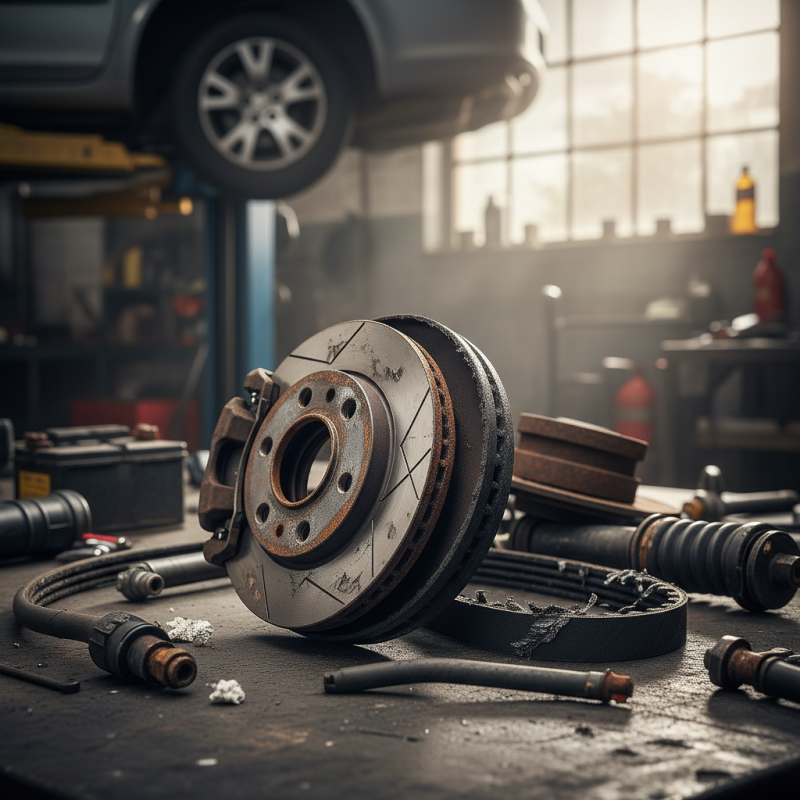
Wear and tear in automobile components is a common issue. Several factors contribute to this problem. One major cause is frequent exposure to extreme conditions. Heat and cold cycles can weaken materials over time. For example, rubber seals may crack or fade under temperature fluctuations.
Another significant factor is the quality of the materials used. Poor-quality components may fail faster than expected. Choosing subpar materials often leads to premature breakdown. Additionally, lack of regular maintenance accelerates wear. If filters and fluids aren’t replaced on time, essential parts struggle to function effectively.
Driving habits also play a crucial role in component longevity. Aggressive acceleration, hard braking, and frequent short trips can increase stress on parts. These actions can lead to more rapid deterioration. It's essential for drivers to reflect on their habits and consider their effects on vehicle health. Understanding these aspects can help manage and reduce breakdown risks in auto parts.
| Cause | Description | Common Parts Affected | Preventive Measures |
|---|---|---|---|
| Wear and Tear | Regular usage leads to gradual degradation of components. | Brakes, Tires, Transmission | Regular maintenance and timely replacement. |
| Environmental Factors | Extreme temperatures and humidity can accelerate corrosion and damage. | Engine Parts, Battery | Use protective coatings and park in covered areas. |
| Poor Quality Parts | Using subpar materials results in lower durability. | Suspension, Alternator | Invest in high-quality parts and components. |
| Lack of Maintenance | Neglecting regular check-ups can lead to unforeseen failures. | Oil Filters, Radiators | Follow a regular maintenance schedule. |
| Driving Conditions | Aggressive driving and rough terrains can stress vehicle components. | Drivetrain, Suspension System | Drive cautiously and avoid rough roads when possible. |
: Quality control prevents failures caused by poor manufacturing processes. Nearly 30% of auto parts fail due to defects.
High-quality materials can reduce breakdowns by up to 40%. Cheaper alternatives often lead to increased failures.
Frequent failures jeopardize consumer trust and can lead to accidents or costly repairs.
Routine maintenance checks can prevent major breakdowns. Ignoring small issues leads to significant problems over time.
Neglecting services like oil changes can cause engine wear and costly repairs. Minor issues can escalate quickly.
Regular inspections of brakes, tires, and fluid levels are essential. Many drivers overlook these critical details.
Delaying necessary repairs is a frequent mistake. Waiting for a failure can lead to bigger, avoidable problems.
Proper maintenance increases a vehicle's lifespan. It's essential for ensuring components remain in good working condition.
In exploring the question, "Why do auto parts break down easily?", we can identify several key factors contributing to this issue. Firstly, wear and tear in automobile components is influenced by both the quality of materials used in manufacturing and the environmental conditions to which the vehicle is exposed. Extreme temperatures, humidity, and road conditions can significantly shorten the lifespan of auto parts.
Moreover, regular maintenance plays a crucial role in preventing failures, as neglecting routine checks can lead to undetected issues that escalate over time. Lastly, common driving habits, such as aggressive acceleration and hard braking, can exacerbate wear on components, leading to premature breakdowns. Understanding these factors allows vehicle owners to take proactive steps to enhance the longevity of their auto parts.
