Komfort Auto Parts Komfort Auto Parts

2026 How to Improve Your Car Fuel Efficiency Factors That Matter

Time:2026-06-10 Author:Amelia
0%

Improving car fuel efficiency is essential for both cost savings and environmental sustainability. According to the U.S. Department of Energy, the right practices can enhance efficiency by 10-15%. Understanding what affects fuel efficiency of a car involves various factors. Many drivers overlook that tire pressure plays a significant role. Under-inflated tires can decrease efficiency by up to 3%.

Engine performance is another critical element. Regular maintenance, such as oil changes and air filter replacements, can prevent fuel waste. Furthermore, driving habits can have a substantial impact. Aggressive acceleration and high-speed driving can reduce fuel efficiency by as much as 33% on highways.

Many car owners may not realize that their vehicle's weight can also affect fuel consumption. Reducing unnecessary items can improve efficiency. Research indicates that every additional 100 pounds can decrease fuel economy by 1-2%. To navigate this complex issue, understanding these various factors is vital for every car owner aiming to optimize their fuel efficiency.
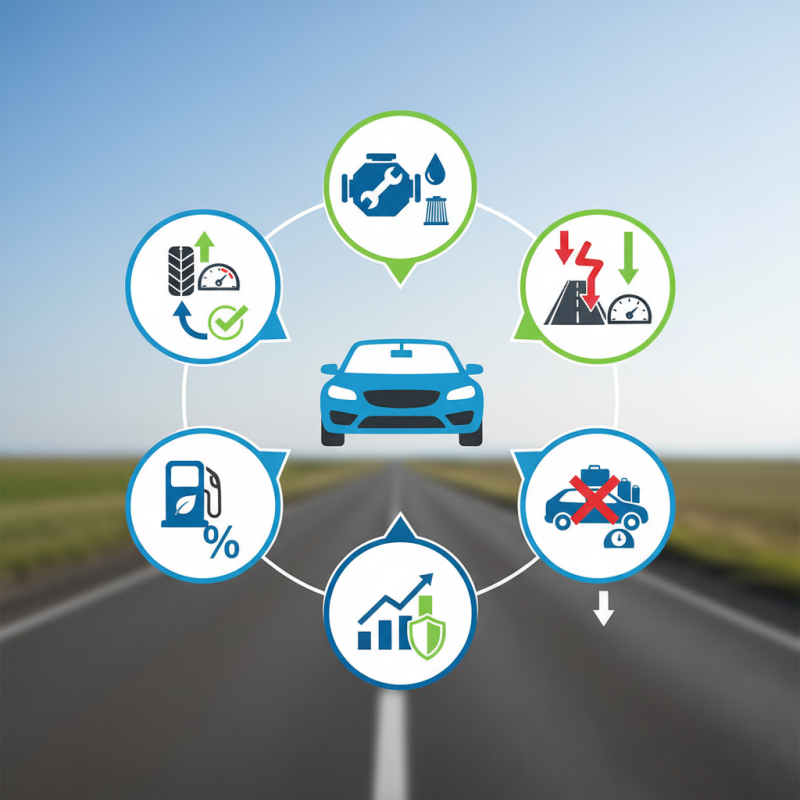
2026 How to Improve Your Car Fuel Efficiency Factors That Matter

Understanding Fuel Efficiency and Its Importance in 2026

Fuel efficiency plays a crucial role in the automotive landscape of 2026. Understanding its significance can lead to better decision-making. According to the U.S. Department of Energy, improving fuel economy by just 1% can save approximately 3.4 billion gallons of gasoline yearly. This statistic highlights the impact of fuel-efficient practices.

Factors that contribute to fuel efficiency include driving habits, vehicle maintenance, and tire pressure. A report from the Environmental Protection Agency revealed that improper tire inflation can lead to a 0.3% reduction in fuel efficiency for every 1 PSI drop in pressure. Regular maintenance, like timely oil changes, can also enhance efficiency.

While drivers often overlook these details, such oversights can add up. Research shows that many drivers fail to maintain optimal tire pressure. This not only affects fuel economy but also safety. The mixed results often observed in day-to-day driving habits highlight the need for increased awareness. In 2026, prioritizing fuel efficiency is more than a necessity; it is a responsibility that impacts both the wallet and the environment.

Key Factors Affecting Car Fuel Efficiency

Fuel efficiency is influenced by various factors. These elements matter for drivers aiming to save money and reduce environmental impact. Tire pressure plays a critical role. Under-inflated tires increase rolling resistance, leading to more fuel consumption. Regular checks can ensure optimal performance.

Weight also has a significant effect. Carrying excess weight in your car can reduce mileage. Each extra 100 pounds can decrease fuel efficiency by about 1%. Avoid unnecessary items in your trunk. It’s essential to regularly evaluate what you truly need.

Driving habits contribute too. Aggressive acceleration and speeding waste fuel. Smooth driving and maintaining a steady speed can enhance your car's efficiency. Simple changes can lead to noticeable improvements over time. Small adjustments make a big difference. Embrace a thoughtful approach to car usage.

Tips for Maintaining Your Vehicle to Enhance Fuel Economy

Maintaining your vehicle is key to improving fuel efficiency. Regular oil changes can ensure your engine runs smoothly. Clean oil reduces friction and improves performance. Check your air filter often. A dirty filter can impact engine airflow. This may lead to higher fuel consumption.

Tire pressure is vital. Underinflated tires can decrease fuel economy. Keep them inflated to the recommended levels. Alignment issues also matter. Misaligned wheels cause tires to drag, increasing fuel use. Have your wheels aligned regularly for better mileage.

Driving habits play a role too. Rapid acceleration and hard braking waste gas. Try to accelerate smoothly and brake gently. On highways, maintain a steady speed. This helps maximize fuel efficiency. Awareness of these factors can lead to significant savings over time.

Technological Innovations Impacting Fuel Efficiency

Innovations in automotive technology are reshaping how we think about fuel efficiency. Advanced engine designs utilize improved aerodynamics to reduce drag. In addition, lightweight materials enhance vehicle performance without compromising safety. These changes lead to better fuel economy, benefiting both drivers and the environment.

Electric vehicles (EVs) are another key innovation. They operate without traditional fuel, significantly boosting energy efficiency. Charging infrastructure continues to expand, making ownership more appealing. Despite their advantages, challenges remain. Battery life and charging times still need improvement. Many consumers hesitate to fully transition to EVs due to these concerns.

Hybrid systems blend conventional engines with electric power. They provide an intermediate solution, maximizing efficiency without requiring a complete lifestyle change. While effective, hybrids can sometimes complicate maintenance and repairs. It's essential to weigh the benefits against potential downsides when considering these options.

2026 How to Improve Your Car Fuel Efficiency Factors That Matter

Factor Description Impact on Fuel Efficiency (%) Technological Innovation
Tire Pressure Properly inflated tires reduce rolling resistance. 3-5% TPMS (Tire Pressure Monitoring Systems)
Engine Efficiency Improved combustion processes maximize fuel use. 10-15% Turbocharging and Direct Injection
Weight Reduction Lighter vehicles consume less energy. 5-10% Advanced Materials (e.g. Carbon Fiber)
Aerodynamics Reduced drag leads to better fuel economy at speed. 5-8% Active Aerodynamics
Hybrid Technology Combines electric and gasoline power for efficiency. 20-30% Regenerative Braking Systems

Driving Habits That Improve Fuel Consumption

Fuel efficiency is not just about the car itself; driving habits play a crucial role. According to the U.S. Department of Energy, aggressive driving can lower fuel efficiency by as much as 33% on the highway. Simple changes can lead to significant savings on gas.

Tips: Avoid sudden acceleration. Instead, accelerate gradually. This practice helps in maintaining momentum and improving fuel consumption.

Maintaining a steady speed is also important. Studies indicate that using cruise control on highways can improve fuel economy by maintaining a constant speed. However, be cautious in hilly terrain. The constant adjustment can negate this benefit.

Tips: Keep your speed within the limits. Driving more efficiently at lower speeds can save fuel and reduce emissions.

Lastly, unnecessary idling wastes fuel. Research shows that idling for more than 10 seconds uses more fuel than restarting your engine. In urban areas, consider turning off your engine while waiting.

Tips: Turn off your engine if you expect to wait. This small adjustment can enhance your car’s fuel efficiency significantly.

2026 How to Improve Your Car Fuel Efficiency

This chart displays the impact of different driving habits on fuel efficiency. The data represents the percentage of fuel consumption improvement based on various driving habits.

FAQS

: How can regular oil changes help my vehicle’s fuel efficiency?

: Clean oil reduces friction and improves engine performance, leading to better fuel economy.

Why is checking the air filter important?

A dirty air filter can restrict engine airflow, resulting in increased fuel consumption.

What impact does tire pressure have on fuel economy?

Underinflated tires can decrease fuel efficiency. Keep them at the recommended levels for optimal performance.

How often should I align my vehicle's wheels?

Regular wheel alignment helps prevent tires from dragging, which can increase fuel use.

What driving habits should I adopt to save fuel?

Accelerate smoothly and brake gently. Maintaining a steady speed on highways is also beneficial.

What innovations are improving fuel efficiency in vehicles?

Advanced engine designs and lightweight materials enhance performance and reduce drag, improving fuel economy.

Are electric vehicles a good option for fuel efficiency?

Yes, they boost energy efficiency since they don't use traditional fuel, but battery life needs improvement.

What are the challenges of owning a hybrid vehicle?

Hybrids maximize efficiency but can complicate maintenance and repairs, so weigh the pros and cons.

How can poor driving habits impact my fuel consumption?

Rapid acceleration and hard braking waste fuel. Focus on smooth driving for better economy.

Why might consumers hesitate to switch to electric vehicles?

Concerns about battery life and charging times can prevent a full transition to EVs.

Conclusion

The article "2026 How to Improve Your Car Fuel Efficiency Factors That Matter" highlights the importance of understanding fuel efficiency in the context of modern driving. Key factors affecting car fuel efficiency include engine performance, tire pressure, and vehicle weight, all of which play a significant role in determining how effectively a car uses fuel. To enhance fuel economy, regular maintenance and timely servicing are crucial, as they ensure that the vehicle operates at optimal conditions.

Moreover, advancements in technology are continuously shaping fuel efficiency, introducing features that minimize consumption. Additionally, driving habits significantly impact fuel consumption; smooth acceleration, reducing idling time, and maintaining a consistent speed are among the practices that can lead to improved efficiency. Ultimately, understanding what affects the fuel efficiency of a car is essential for drivers seeking to reduce their carbon footprint and fuel costs.

Amelia

Amelia

Amelia is a seasoned marketing professional with a wealth of expertise in our company’s core offerings. With an unwavering passion for driving growth and innovation, she plays a pivotal role in shaping our marketing strategies and enhancing brand visibility. A key aspect of her responsibilities......