Komfort Auto Parts Komfort Auto Parts

How to Save Money on Auto Parts in 2026?

Time:2026-10-06 Author:Madeline
0%

In 2026, vehicle maintenance costs can rise quickly, especially for newer cars with sensors, cameras, and complex electronic systems. A simple brake repair may involve more than pads and rotors. It may also require compatible hardware, calibration, and professional installation.

How to save money on auto parts starts with identifying the correct component. Check the vehicle identification number, engine size, trim level, and production year before ordering. I have seen drivers return affordable parts because one connector or mounting point did not match. That mistake creates shipping costs, delays, and sometimes unsafe repairs.

Prices can vary widely between dealerships, local stores, online retailers, and certified recyclers. Compare the complete purchase cost, including delivery, taxes, core charges, tools, and warranty coverage. A cheaper alternator is not necessarily a better value if its warranty is unclear. Trusted manufacturers, documented testing, and accurate fitment information deserve attention.

Keep receipts. They may protect you when a part fails early or arrives damaged. For safety-critical components, such as brake, steering, and suspension parts, quality should outweigh a small discount. Some used parts can work well, but their condition and history require careful verification.

This approach is not flawless. Prices change. Yet, patient research can prevent expensive guesses and rushed purchases. The sections ahead explain practical ways to compare parts, reduce waste, and choose reliable savings without compromising vehicle safety.
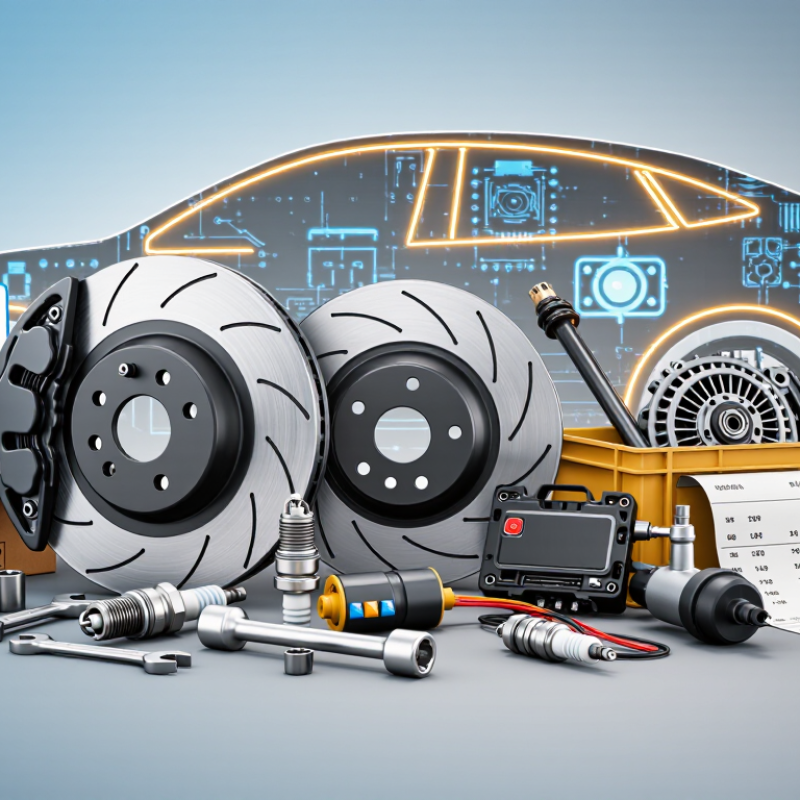
How to Save Money on Auto Parts in 2026?

Define Your Auto Parts Needs and Set a Realistic Budget

Saving money on auto parts in 2026 starts with defining the repair clearly. Identify your vehicle’s year, engine, trim, and mileage before searching. Check the owner’s manual and the vehicle identification number for accurate specifications. A brake pad is not always interchangeable across similar models. Small differences matter.

I once bought a cheaper sensor without checking the connector shape. It looked correct, but installation failed. That mistake added return shipping and lost time. Now I write down the exact part number, required tools, and estimated labor before purchasing. My budget also includes taxes, delivery, shop fees, and a small emergency margin. Ten percent is usually practical. Sometimes, it is not enough.

Tips:

  • List essential repairs separately from convenient upgrades.
  • Compare total cost, not just the displayed price.
  • Read warranty and return conditions carefully.
  • Ask a qualified technician to confirm compatibility when safety systems are involved.
  • Choose dependable quality for brakes, steering, tires, and suspension.
  • For cosmetic parts, a lower-cost option may be reasonable.
  • Keep every receipt and photograph the old part before removal.
  • Overlooking one fastener or seal can turn a simple repair into an expensive afternoon.

Compare Prices Across Dealers, Retailers, and Online Marketplaces

How to Save Money on Auto Parts in 2026?

Comparing prices across dealers, retailers, and online marketplaces can reduce repair costs. Start with the exact part number, vehicle year, engine, and trim. A small fitment error can turn a bargain into wasted money. I once ordered a cheaper sensor without checking the engine code. The return shipping erased most of the savings.

Dealers often charge more, but their parts usually include dependable fitment support and clear warranty terms. Retailers may offer competitive prices, especially during seasonal promotions. Check the final checkout amount, not the advertised price. Add shipping, taxes, installation hardware, and any refundable core charge. Some retailers also provide faster returns, which matters when your vehicle is already in a workshop.

Online marketplaces can show the widest range, including new, refurbished, and used parts. Read the seller’s history, product photos, warranty language, and return window carefully. “Fits many models” is not enough evidence. Ask for manufacturing dates on batteries, belts, and rubber components. Older stock may look unused but perform poorly. Compare at least three listings with identical specifications. Save screenshots of prices and delivery estimates. Prices change quickly.

Reliability matters more than the lowest number. A certified technician or parts specialist can confirm compatibility before payment. I still make mistakes when comparing shipping times. A part arriving three days late can cost more than a modestly higher local price. Keep the invoice and packaging until the repair works properly.

Choose Between OEM, Aftermarket, Used, and Remanufactured Parts

Saving Money on Auto Parts in 2026

Saving money on auto parts in 2026 starts with choosing the right category, not the cheapest listing. From repair research and workshop conversations, I have learned that the part’s role matters more than its age. OEM parts match factory specifications, but their price can strain a tight budget. They make sense for sensors, safety systems, and unusual assemblies. Check the part number against the vehicle identification number before ordering. A small mismatch can create expensive delays.

Aftermarket parts often cost less and work well for filters, belts, mirrors, and suspension components. Quality varies widely, so review material details, testing standards, return terms, and warranty length. A used part may offer strong value for a trim panel, wheel, or interior switch. Inspect photographs carefully, then ask about mileage, damage, and storage. Looks clean is not enough. For brakes, steering, and airbags, I would avoid uncertain history, even when the savings look tempting.

Remanufactured parts sit between new and used options. A reliable remanufacturer should replace worn components and test the finished unit. Alternators, starters, and compressors often fit this category. Confirm the core-charge policy before paying. I once focused too heavily on the purchase price and overlooked shipping and installation time. That mistake changed the real cost. Compare tools, labor, delivery, and possible returns. Keep receipts and warranty records. They may protect your budget later.

Verify Compatibility, Quality, Warranties, and Return Policies

How to Save Money on Auto Parts in 2026?

Saving money on auto parts in 2026 starts before payment. I check the vehicle identification number, model year, engine size, and trim level. Small differences can change fitment. Online catalogs are useful, but I compare their details with the owner’s manual and service records. A mechanic’s confirmation helps when the listing uses unclear terminology. I once ordered a sensor that looked identical. It fitted poorly and cost me extra shipping.

Price alone does not show value. Examine photos, material descriptions, safety testing, and seller quality controls. New, remanufactured, and used parts have different risks. For braking or steering components, I prefer documented inspection results and traceable specifications. Ask whether the part is complete. Missing clips, seals, or hardware can erase a discount. If information feels vague, pause. That pause can save money.

Read the warranty before buying, not after failure. Check its duration, coverage, labor exclusions, and proof-of-installation requirements. Return policies deserve equal attention. Note the deadline, restocking fee, shipping responsibility, and condition rules. Keep the packaging until fitment is confirmed. I also photograph damaged parcels and keep invoices in one folder. My process is not perfect. I sometimes focus too heavily on the lowest price. A written checklist keeps that habit visible and makes future purchases more reliable.

How to Save Money on Auto Parts in 2026

Estimated cost exposure reduced by four essential purchasing checks

Verify the exact part number and vehicle compatibility before ordering. Compare quality specifications rather than choosing solely by price, review warranty coverage, and confirm the return policy. The percentages shown are planning estimates for a typical parts purchase and are intended to illustrate the relative importance of each checkpoint, not to represent a company or brand.

Reduce Total Costs Through DIY Installation and Preventive Maintenance

How to Save Money on Auto Parts in 2026?

DIY installation can reduce labor charges, but preparation matters more than enthusiasm. Start with simple jobs, such as replacing wiper blades, air filters, bulbs, and battery terminals. Read the service manual before buying anything. Confirm the correct part number, dimensions, and required tools. A mismatched filter can waste money and create new problems. The U.S. Department of Energy reports that proper tire inflation can improve fuel economy by up to 3 percent. Check pressure monthly, using the vehicle’s recommended specification, not the tire’s maximum rating.

Preventive maintenance also protects expensive components. Inspect belts, hoses, brake thickness, fluid levels, and tire wear during every oil service. The American Automobile Association’s 2024 Your Driving Costs report estimates maintenance, repair, and tire expenses at 9.83 cents per mile. That equals roughly 1,475 dollars over 15,000 miles. Early inspections may prevent a small issue from becoming a costly roadside repair. Small checks matter.

Use jack stands, wheel chocks, eye protection, and a calibrated torque wrench. Never rely on a jack alone. The National Highway Traffic Safety Administration links underinflated tires with handling and safety risks. I still occasionally overestimate my DIY ability. That is an expensive lesson. Stop when a repair involves airbags, high-voltage systems, fuel pressure, or uncertain structural damage. Paying a qualified technician can be cheaper than correcting one rushed mistake. Keep receipts and maintenance dates, even for home repairs. Records expose repeated failures and help identify poor-quality parts.

How to Save Money on Auto Parts in 2026? - Reduce Total Costs Through DIY Installation and Preventive Maintenance

Typical U.S. planning estimates for common maintenance jobs, expressed in 2026 dollars
Maintenance Job Typical Service Interval DIY Parts Cost Professional Total Cost Potential DIY Saving Difficulty Preventive Benefit
Engine oil and filter Every 5,000–7,500 miles or as specified in the owner’s manual $35–$75 $70–$150 $35–$75 Easy Reduces friction and helps limit premature engine wear.
Engine air filter Inspect at 15,000 miles; commonly replace at 30,000–45,000 miles $15–$40 $45–$100 $30–$60 Easy Supports proper airflow and protects the engine from debris.
Cabin air filter Every 12,000–15,000 miles or once per year $15–$35 $50–$120 $35–$85 Easy Maintains ventilation quality and reduces HVAC strain.
Windshield wiper blades Every 6–12 months, depending on climate and condition $20–$50 $45–$100 $25–$50 Easy Improves wet-weather visibility and prevents glass scratching.
Battery replacement Test twice yearly; replacement commonly lasts 3–5 years $120–$250 $170–$350 $50–$100 Easy–Moderate Regular testing can reduce no-start incidents and related towing costs.
Brake pads, front axle Inspect at every tire rotation; service often required at 30,000–70,000 miles $90–$220 $300–$700 $210–$480 Moderate Replacing pads before metal-to-metal contact can preserve rotors.
Brake fluid exchange About every 2–3 years, subject to vehicle requirements $25–$60 $100–$180 $75–$120 Moderate Helps limit moisture-related corrosion and maintain braking performance.
Spark plugs Typically 30,000–100,000 miles, depending on plug type and vehicle $50–$180 $180–$450 $130–$270 Moderate Can help prevent misfires, poor starting, and reduced fuel economy.
Tire rotation and pressure check About every 5,000–8,000 miles $0–$15 $25–$60 $25–$45 Easy–Moderate Promotes even tread wear and supports tire life and fuel efficiency.
Estimated savings across one complete service cycle $370–$925 $985–$2,210 $615–$1,285 Before tools, taxes, disposal fees, and unexpected repairs
Cost-control assumptions: Prices are broad planning ranges for common passenger vehicles in the United States. Actual costs vary by vehicle design, labor rates, location, part quality, taxes, and whether additional components are required. Follow the owner’s manual, use properly rated tools and jack stands, and do not perform safety-critical work unless you are qualified.

FAQS

How can I define my auto parts needs accurately?

Record the vehicle’s year, engine, trim, mileage, and identification number. Check the owner’s manual and exact part number. Small differences can prevent installation.

What should my auto parts budget include?

Include the part, taxes, delivery, labor, shop fees, and installation hardware. Keep an emergency margin of about ten percent. Sometimes, it is not enough.

How can I compare prices fairly?

Compare at least three listings with identical specifications. Check the final checkout total, not the displayed price. Shipping can erase a cheap deal.

What should I check before buying online?

Review seller history, product photos, warranty terms, and return limits. Ask about manufacturing dates for batteries, belts, and rubber parts. Old stock may look unused.

Are cheaper parts always a good choice?

Not always. Choose dependable quality for brakes, tires, steering, and suspension. Lower-cost cosmetic parts may be acceptable. Safety deserves more attention.

Which repairs are suitable for DIY installation?

Beginners can usually start with wiper blades, air filters, bulbs, and battery terminals. Confirm the tools, dimensions, and instructions first. Enthusiasm is not preparation.

How does preventive maintenance reduce costs?

Check tire pressure monthly and use the vehicle’s recommended specification. Inspect belts, hoses, fluids, brake thickness, and tire wear during service. Small checks matter.

When should I hire a qualified technician?

Stop when repairs involve airbags, high-voltage systems, fuel pressure, or uncertain structural damage. Use jack stands and wheel chocks. Never trust a jack alone.

What records should I keep after buying parts?

Keep receipts, packaging, delivery details, and maintenance dates. Photograph the old part before removal. I still sometimes misjudge delivery time. Records reveal repeated failures.

Conclusion

How to save money on auto parts starts with understanding exactly what your vehicle needs and setting a realistic budget before making a purchase. Compare prices from local dealers, independent retailers, salvage sources, and online marketplaces, while considering shipping fees, taxes, and delivery times. Depending on the repair, you may choose between OEM, aftermarket, used, or remanufactured parts. The best option should balance price, quality, expected lifespan, and vehicle compatibility rather than focusing only on the lowest cost.

Before ordering, confirm the part number, specifications, warranty coverage, and return policy to avoid expensive mistakes. You can also reduce total expenses by handling simple installations yourself if you have the proper tools, knowledge, and safety precautions. Regular inspections, timely maintenance, and replacing worn components before they cause additional damage can further protect your budget. With careful research and responsible planning, drivers can control repair costs without sacrificing reliability or safety.

Madeline

Madeline

Madeline is a dedicated marketing professional with a wealth of expertise in our company's core offerings. With a keen understanding of the industry, she brings a unique perspective to her role, consistently delivering high-quality content that highlights the superior aspects of our products. As......