Komfort Auto Parts Komfort Auto Parts

What Factors Affect Car Parts Performance for Buyers?

Time:2026-05-19 Author:Liam
0%

When purchasing car parts, buyers often overlook key factors influencing performance. Understanding what affects the performance of car parts is crucial for making informed decisions. Various elements contribute to how well a part operates, including material quality, design, and compatibility with other components.

For instance, high-quality materials can enhance durability and efficiency. A part made from robust materials typically performs better and lasts longer. However, consumers may struggle to identify quality versus subpar materials. Additionally, the design of a part plays a significant role in its functionality. Poorly designed parts may lead to poor performance and unexpected failures.

Compatibility is another crucial aspect often underestimated. Car parts must work seamlessly with the vehicle's existing systems. A mismatch can cause significant performance issues, leading to costly repairs. Thus, buyers should consider these factors carefully. Investing time in research is essential. In the end, understanding what affects the performance of car parts empowers buyers to make smarter choices.
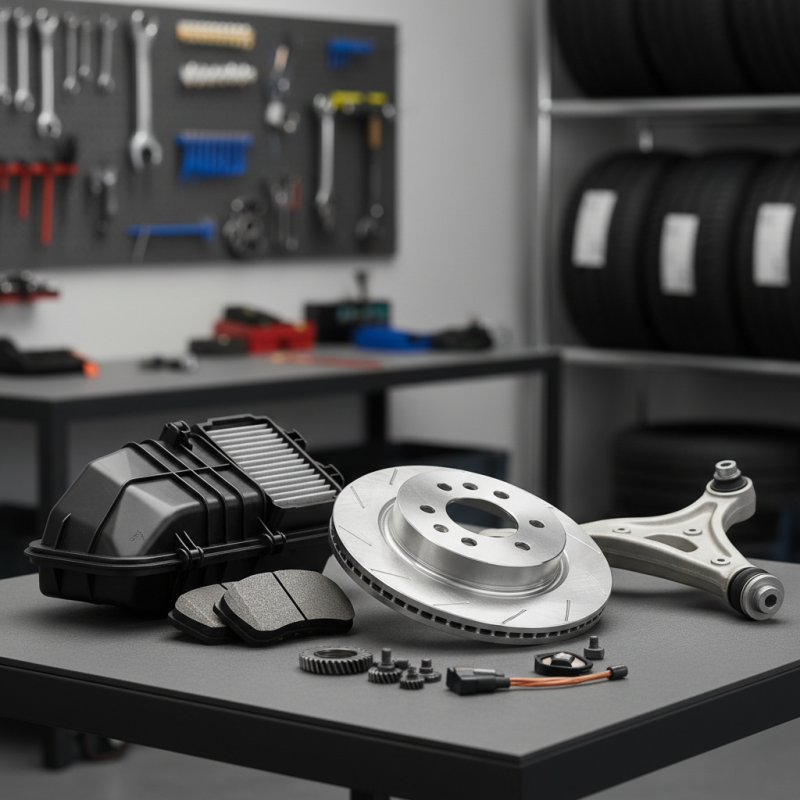
What Factors Affect Car Parts Performance for Buyers?

Factors Influencing the Durability of Car Parts in Different Conditions

When considering the durability of car parts, various factors play a critical role. Environmental conditions greatly influence performance. For instance, temperature fluctuations can cause materials to expand and contract, leading to wear over time. According to the Society of Automotive Engineers, parts exposed to extreme heat may fail sooner due to thermal fatigue. Additionally, moisture can lead to corrosion, significantly reducing lifespan. In fact, a report by the National Institute of Standards and Technology indicates that up to 30% of automotive failures are linked to corrosion.

Tips: Always examine your car's environment. Regular maintenance can mitigate the effects of moisture and temperature.

Material quality also affects durability. High-performance vehicles often use advanced composites and alloys. Reports show that such materials can significantly enhance strength while reducing weight. However, the reliance on these materials may not suit all driving conditions. Poorly graded or counterfeit materials can lead to premature failure. Heavy loads or poor road conditions can exacerbate this issue.

Tips: Invest in quality parts and conduct periodic checks. It might save you additional costs in the long run.

Lastly, driver behavior impacts part longevity. Aggressive driving increases wear on brakes and tires. Data from the American Automobile Association suggests that mindful driving habits can extend the life of critical components significantly. Addressing these factors ensures better performance and fewer unexpected repairs down the line.

What Factors Affect Car Parts Performance for Buyers? - Factors Influencing the Durability of Car Parts in Different Conditions

Factor Description Impact on Durability Condition
Material Quality The grade of materials used in production. High-quality materials enhance strength and longevity. Varies with environmental exposure.
Manufacturing Process Techniques used in creating the part. Advanced processes lead to better fitting and performance. Influenced by ambient temperature and humidity.
Design The structural design of the part. Optimization can reduce stress points and potential failure. Affected by vehicle type and usage conditions.
Environmental Conditions Factors such as temperature, moisture, and road conditions. Extreme conditions may lead to accelerated wear. Worse in harsh climates or rough terrains.
Maintenance Frequency and quality of care provided to parts. Regular maintenance can prolong lifespan and performance. Critical for all types of environments.

Impact of Material Quality on Car Parts Performance and Lifespan

The quality of materials used in car parts significantly impacts their performance and lifespan. Various studies reveal that high-grade materials can enhance durability and reduce wear. For instance, steel components often demonstrate higher tensile strength compared to cheaper alloys. A report from the Automotive Materials Association indicates that vehicles made from advanced composites can exhibit a lifespan increase of up to 20% over traditional materials.

Moreover, corrosion resistance is a vital factor. Parts exposed to harsh environments are prone to wear if not made from resilient materials. Research published in the Journal of Automotive Engineering states that vehicles equipped with zinc-coated steel parts last longer in corrosive conditions. However, choosing the right material isn't solely about performance. Cost considerations also play a role, leading to compromises in material selection.

The challenge lies in balancing performance and expense. Many manufacturers opt for less expensive materials to cut costs, which can lead to premature failures. Such decisions often ask for reflection on long-term impacts versus short-term savings. Ultimately, the right choice of material can mean the difference between high performance and early replacement for many car components.

Factors Affecting Car Parts Performance

Role of Manufacturing Processes in Car Parts Reliability and Efficiency

The manufacturing processes of car parts significantly influence their reliability and efficiency. According to the Automotive Industry Action Group (AIAG), over 30% of automotive failures are linked to poor manufacturing practices. This statistic underscores the importance of quality control in production lines. For instance, precision engineering and material selection are critical in ensuring parts meet performance standards. When manufacturers employ advanced techniques like CNC machining, they achieve tighter tolerances, leading to enhanced durability.

Furthermore, the choice of materials plays a pivotal role. A study from the Society of Automotive Engineers (SAE) reveals that using high-strength steel can improve the structural integrity of components by up to 50%. However, not all manufacturers prioritize this, leading to variations in part performance. Cost-cutting measures often lead to subpar materials, raising questions about long-term reliability. Buyers may face challenges in assessing these factors, as not all manufacturers disclose detailed information about their processes.

Finally, the environmental conditions during manufacturing can introduce inconsistencies. Fluctuations in temperature, humidity, or even dust can impact production quality. As the industry moves forward, adopting more stringent processes and embracing automation could mitigate these issues. By investing in advanced manufacturing technologies, companies can enhance their product offerings, ultimately benefiting consumers with more reliable and efficient car parts.

Importance of Compatibility and Fitment in Car Parts Functionality

Compatibility and fitment are crucial for car parts' performance. A misfit part can lead to serious mechanical issues. According to a recent industry report, over 30% of car repairs arise from improper fitment of parts. When parts are not designed for specific models, their functionality is compromised. Vehicles run best when every component is tailored for perfect integration.

In terms of efficiency, well-fitted parts enhance fuel performance. The same report shows that correct fitment can improve fuel efficiency by up to 15%. Drivers often overlook this aspect, assuming all parts are interchangeable. This assumption can result in wasted money and time. Engine compatibility can affect power output, directly impacting driving experience.

Tip: Always verify parts against your vehicle's specifications before purchasing. Consider consulting a professional if unsure about fitment. Also, take time to read reviews or seek feedback on parts that claim universal fitting. Remember, investing effort in finding the right part saves hassle in the long run. Compatibility is the key to maximizing your vehicle's performance.

Environmental Factors Affecting the Performance of Automotive Components

Environmental factors play a significant role in the performance of automotive components. Temperature variations can cause materials to expand or contract. This can lead to misalignment or wear over time. Additionally, humidity affects the corrosion resistance of metal parts. High moisture levels can accelerate rust formation, compromising the integrity of components.

UV radiation from sunlight can also impact plastics and rubber used in cars. Prolonged exposure can lead to brittleness and cracking.
Dust and pollutants in the air can accumulate on car parts, affecting their efficiency. Regular cleaning and maintenance become essential in adverse conditions to ensure longevity.

Investing in protective coatings may not always guarantee performance. Some coatings wear off or are ineffective against certain elements. Buyers should consider local environmental factors when choosing materials and components. Understanding these influences is crucial. It's a complex relationship that demands careful consideration.

FAQS

: What environmental factors affect car part durability?

: Temperature fluctuations, humidity, UV radiation, and pollutants can all affect car parts' performance and longevity.

How does moisture impact car parts?

Moisture can lead to corrosion, significantly reducing the lifespan of metal components. Up to 30% of automotive failures relate to corrosion.

Why is material quality important for car parts?

High-quality materials enhance strength and longevity. Poor or counterfeit materials can lead to premature failures, especially in tough conditions.

How can driving behavior influence car part durability?

Aggressive driving increases wear on tires and brakes. Mindful driving habits can extend the life of crucial components significantly.

What preventive measures can help maintain car parts?

Regular maintenance and inspections can mitigate issues caused by environmental factors, reducing wear and preventing unexpected repairs.

Are protective coatings effective for car parts?

Protective coatings can wear off and may not protect against all environmental elements. Consider local conditions when choosing coatings.

Conclusion

Understanding what affects the performance of car parts is crucial for buyers aiming for longevity and reliability in their vehicles. Several key factors influence the durability of car components across varying conditions, including the quality of materials used. High-grade materials can enhance performance and extend the lifespan of car parts significantly. Additionally, the manufacturing processes play a vital role, as standardized techniques ensure components are reliable and efficient.

Moreover, compatibility and fitment are essential for car parts functionality; components must work harmoniously with the vehicle systems to perform optimally. Lastly, environmental factors such as temperature, humidity, and exposure to corrosive elements also impact how automotive components function over time. By considering these influences, buyers can make more informed decisions when selecting car parts that best suit their needs.

Liam

Liam

Liam is a dedicated marketing professional with a profound expertise in the industry, where he excels at highlighting the unique advantages of our core products. With a keen understanding of market trends and consumer needs, Liam frequently updates our company’s professional blog, providing......