Komfort Auto Parts Komfort Auto Parts

10 Essential Tips for Properly Maintaining Auto Parts

Time:2026-08-22 Author:Isabella
0%

Maintaining auto parts properly is crucial for ensuring your vehicle's longevity and performance. With the complexity of modern vehicles, understanding how to maintain auto parts properly can save you time and money. Regular upkeep extends the life of essential components, increasing safety on the road.

Many car owners overlook maintenance. This can lead to costly repairs down the line. Routine checks on brake pads, oil levels, and tire pressure are vital. Each part has specific care requirements, and neglecting these may result in diminished performance. Many people think, "It won't happen to me," but issues can arise unexpectedly.

Investing time to learn about your vehicle's needs fosters a sense of control. DIY maintenance, while sometimes daunting, can enhance your skills. Remember that every vehicle is unique. Research and consult professionals when necessary. Don’t hesitate to seek help. Reflect on your past maintenance experiences to improve your future practices. Embrace the learning curve; it benefits both you and your vehicle.
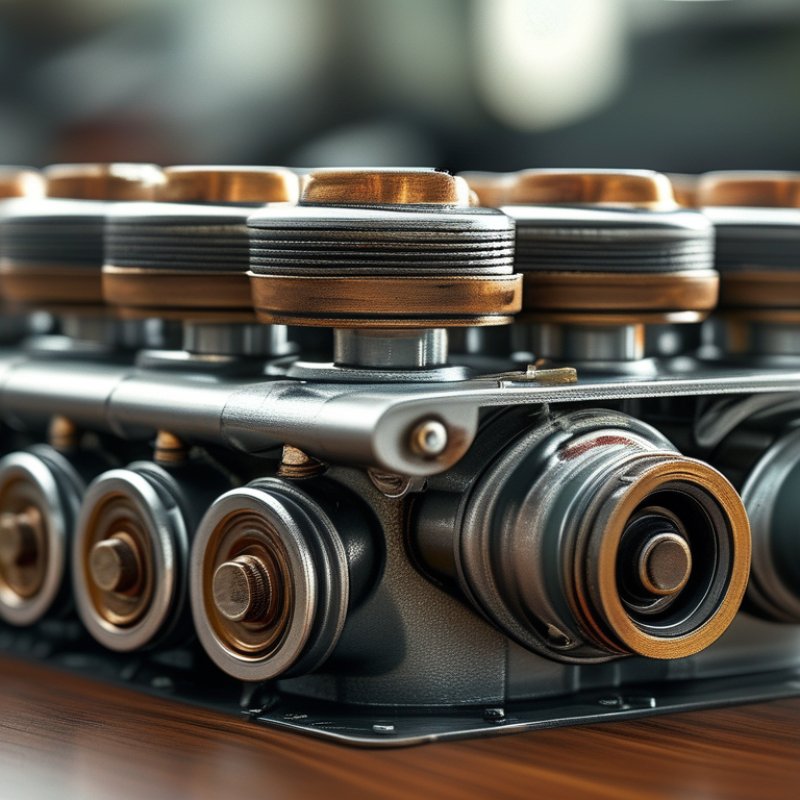
10 Essential Tips for Properly Maintaining Auto Parts

Understanding the Importance of Regular Maintenance for Auto Parts

Regular maintenance of auto parts is crucial for vehicle performance and safety. Neglecting these parts can lead to serious issues. For instance, worn brake pads compromise stopping power, risking accidents. Oil changes, too, are essential; dirty oil affects engine lubrication, leading to premature wear. An oil check can catch problems early and save costly repairs down the line.

A maintenance schedule helps drivers stay on track. Inspections should cover tires, brakes, fluids, and belts. Many overlook these components. Replace worn tires for better traction, especially in wet conditions. Replacing air filters can improve fuel efficiency, which is beneficial for both the wallet and the environment. Some may find it challenging to remember all these tasks; however, creating reminders can simplify this process.

It's easy to forget minor services when life becomes busy. An overlooked battery can leave you stranded. Regular check-ups can highlight these small concerns before they escalate. Education on your vehicle's needs empowers you as a driver. Understanding each auto part’s function enhances your ability to maintain it effectively. Embrace the journey of learning—it’s a rewarding path toward keeping your vehicle healthy.

10 Essential Tips for Properly Maintaining Auto Parts

Tip Number Maintenance Tip Frequency Benefits
1 Regular Oil Changes Every 5,000 miles Ensures engine longevity
2 Check Tire Pressure Monthly Improves fuel efficiency
3 Inspect Brake Pads Every 10,000 miles Ensures safety
4 Clean Air Filter Every 15,000 miles Enhances engine performance
5 Check Coolant Levels Monthly Prevents overheating
6 Inspect Battery Condition Every 6 months Ensures reliable starting
7 Rotate Tires Every 6,000 miles Even tire wear
8 Replace Wiper Blades Every 6-12 months Ensures clear visibility
9 Inspect Belts and Hoses Every 30,000 miles Prevents breakdowns
10 Wash and Wax Exterior Monthly Protects paint and finish

Key Components of a Vehicle Needing Regular Attention

Proper maintenance of key vehicle components is crucial for longevity and optimal performance. Regular checks on the engine coolant level prevent overheating. Ensure the battery terminals are clean and tight to avoid starting issues. Brake pads should be checked frequently. Worn-out pads can severely affect braking efficiency and safety.

Tires play a vital role in vehicle handling. Check tire pressure monthly. Under-inflated tires wear unevenly and can lead to blowouts. Additionally, inspect the tread depth for safety. Ignoring oil changes can lead to engine problems. Regular oil checks help maintain engine health. Air filters also require attention; a clogged filter affects fuel efficiency. Remember, neglecting these details can lead to costly repairs down the line.

Step-by-Step Guide to Inspecting Engine Parts for Optimal Performance

To achieve optimal performance, regular inspection of engine parts is crucial. Engine failures often stem from overlooked components, with studies indicating that up to 30% of engine-related issues can be traced back to poor maintenance practices. Begin by checking the oil level. Insufficient oil can lead to friction and overheating. Use the dipstick to assess the oil's consistency and level, ensuring it meets manufacturer specifications.

Next, inspect the air filter. A dirty or clogged air filter can reduce engine efficiency by up to 10%. It restricts airflow, leading to poor fuel combustion. Replace it if it appears dirty or discolored. Additionally, check the spark plugs. Faulty spark plugs can cause misfires and decreased fuel economy, impacting overall vehicle performance. According to the Automotive Maintenance and Repair Survey, replacing spark plugs every 30,000 miles may improve fuel efficiency by as much as 15%.

Taking the time to examine these engine components critically is vital. Oftentimes, drivers neglect these simple tasks. Awareness of the correlation between maintenance and engine longevity can lead to more informed decisions. Regular inspections not only save money but also enhance safety on the road.

Best Practices for Cleaning and Lubricating Auto Parts

Cleaning and lubricating auto parts is crucial for vehicle longevity. Start with cleaning the surfaces. Use a gentle degreaser to remove grime. Pay attention to areas prone to dirt accumulation. After cleaning, inspect for wear and tear. Sometimes, rust and corrosion hide beneath dirt layers.

Lubrication plays a key role in ensuring parts function smoothly. Apply the right lubricant. Grease or oil can reduce friction significantly. Ensure you do not over-lubricate; excess can attract dirt. Regularly check lubrication levels and top them up as needed.

Be aware that improper cleaning can lead to damage. Harsh chemicals can corrode metals. Take time to choose the right products for your parts. Reflection on your methods will help improve your routine over time. Each vehicle has unique needs, and understanding them can enhance performance.

10 Essential Tips for Properly Maintaining Auto Parts

Signs of Wear and Tear: When to Replace Vehicle Components

When it comes to maintaining your vehicle, recognizing signs of wear and tear is crucial. Observing unusual sounds from the engine or brakes may indicate deeper issues. For example, squeaking brakes often suggest worn pads. Pay attention to changes in your vehicle's handling. If the steering feels loose or unresponsive, it may be time to inspect suspension components.

Regular inspections are essential. Check your tires frequently for uneven wear. This can reveal alignment issues. Ensure that your windshield wipers are functional, as worn wipers can impair visibility. Look for cracks on hoses and belts. Small fissures can lead to major failures if not addressed promptly.

Keeping an eye on dashboard warning lights is vital. If a light activates, don't ignore it. This is your vehicle's way of communicating potential problems. Remember, preventative maintenance can save you money in the long run. It builds trust between you and your vehicle. Regular care can lead to a longer lifespan for your auto parts. Stay observant and proactive for a smoother ride.

FAQS

: How often should I check my engine coolant level?

: Check your engine coolant level regularly to prevent overheating. Monthly checks are a good practice.

What can I do to avoid battery starting issues?

Ensure battery terminals are clean and tight. This simple step can prevent starting problems.

How frequently should I inspect my brake pads?

Brake pads should be checked often. Worn-out pads can seriously compromise braking efficiency.

Why is tire pressure important?

Tire pressure affects vehicle handling. Monthly checks can prevent uneven wear and potential blowouts.

What happens if I ignore oil changes?

Ignoring oil changes can lead to serious engine issues. Regular checks maintain engine health and performance.

How do I clean auto parts effectively?

Use a gentle degreaser to clean surfaces. Avoid harsh chemicals to prevent corrosion and damage.

What should I watch for with vehicle component wear?

Listen for unusual sounds and observe handling changes. Squeaking brakes or loose steering indicate deeper issues.

What can small cracks in hoses lead to?

Small fissures can cause major failures. Regular inspections help catch these problems early.

How can dashboard warning lights help?

Dashboard lights indicate potential issues. Address them promptly to prevent further damage.

What’s a downside of over-lubricating parts?

Over-lubrication can attract dirt and cause damage. Balance is key for effective maintenance.

Conclusion

Properly maintaining auto parts is essential for ensuring a vehicle's optimal performance and longevity. Understanding the importance of regular maintenance helps owners recognize the key components that require consistent attention, such as the engine, brakes, and tires. A step-by-step guide to inspecting engine parts can significantly enhance their functionality.

Additionally, best practices for cleaning and lubricating these components can prevent premature wear. It's crucial to identify signs of wear and tear in order to know when to replace vehicle parts. Knowing how to maintain auto parts properly not only enhances safety but also promotes a smoother driving experience, ultimately saving time and costs associated with major repairs.

Isabella

Isabella

Isabella is a dedicated marketing professional with a sharp focus on driving brand growth and engagement through strategic content creation. With an extensive background in digital marketing, she combines her passion for storytelling with her keen understanding of industry trends to deliver......