Komfort Auto Parts Komfort Auto Parts

How to Clean Auto Parts Safely and Effectively for Best Results?

Time:2026-06-16 Author:Isabella
0%

Cleaning auto parts is a task that requires both efficiency and safety. Many professionals overlook safety when selecting cleaning agents. In fact, a report from the Automotive Maintenance Industry suggests that improper cleaning can add costs and damage vehicle components. Knowing how to clean auto parts safely ensures both personal safety and the longevity of the vehicle.

Recent data indicates that 70% of auto repair technicians face health risks due to inadequate cleaning methods. Vapors from solvents can lead to respiratory issues. Additionally, strong chemicals may corrode sensitive metal and plastic components. This raises the question: how to clean auto parts safely? Effective cleaning creates not only a pristine engine but also protects the worker’s health.

Choosing the right products and following proper procedures are crucial. Eco-friendly options have gained popularity, offering safer alternatives. However, many still rely on traditional solvents without understanding the risks involved. Reflecting on personal habits can lead to better practices. Adopting a safety-first mindset while cleaning can drastically improve results and reduce hazards across the automotive industry.
How to Clean Auto Parts Safely and Effectively for Best Results?

Best Practices for Cleaning Auto Parts Safely and Effectively

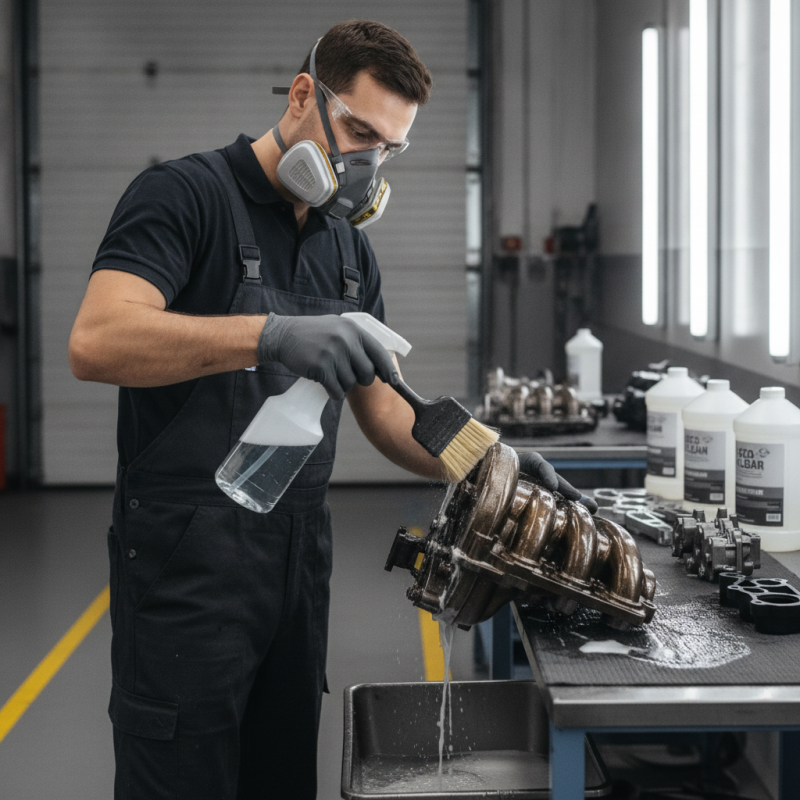
Cleaning auto parts can be a daunting task, but applying best practices makes it manageable and safe. Always wear protective gear, including gloves and goggles, to shield yourself from harmful chemicals. Ensuring proper ventilation is essential. Many cleaning agents emit fumes that can be hazardous in enclosed spaces.

Begin with a dry clean. Use a brush or compressed air to remove loose dirt and debris. It prepares the surface for deeper cleaning. Avoid using excessive force, which can damage delicate components. For stubborn grease, employ biodegradable cleaners. These protect your health and the environment. Rinsing thoroughly is crucial. Residue from cleaners can affect performance, so take the time to wash off any traces.

Evaluate each component's cleaning needs. Some parts require gentle methods, while others can endure harsher treatments. It's easy to overlook small areas where grime accumulates. Inspect every nook and cranny, as neglecting them can lead to long-term issues. Reflect on your cleaning routine and adjust as necessary to maintain efficiency and safety.

How to Clean Auto Parts Safely and Effectively for Best Results?

Cleaning Method Recommended Tools Safety Precautions Effectiveness
Pressure Washing Pressure Washer, Nozzle Attachments Wear goggles and gloves High
Degreasing Degreaser, Brush Use in well-ventilated area Medium
Chemical Cleaners Chemical Cleaner, Soft Cloth Use gloves and mask High
Soaking Bucket, Soaking Solution Avoid contact with skin Medium
Hand Cleaning Sponge, Water, Soap Wear gloves if sensitive Low to Medium

Choosing the Right Cleaning Agents for Different Auto Parts

Choosing the right cleaning agents for different auto parts is crucial for effectiveness and safety. Different materials require specific cleaning methods to prevent damage. For instance, aluminum and magnesium parts can be sensitive to acidic cleaners. A study from the Society of Automotive Engineers suggests that using alkaline cleaners for these metals can yield better results.

For plastic components, a gentle soap solution works best. Harsh solvents can cause cracking or fading over time. It's important to note that some cleaning agents may leave residues. Always follow up with a thorough rinse. Also, many cleaning agents are flammable, so working in a well-ventilated area is essential to avoid hazards.

Tip: For oily engine parts, consider using degreasers specifically designed for automotive use. They break down grease effectively without harming the underlying material. However, excessive use can lead to residue build-up. Moderation is key.

Maintaining cleanliness not only enhances performance but can also extend the lifespan of auto parts. Regular cleaning routines should incorporate the right products tailored to each material type. Industry reports recommend regular assessments to ensure that cleaning practices adapt to evolving technologies and new materials.

Step-by-Step Guide to Disassembling Auto Parts for Cleaning

Disassembling auto parts for cleaning can seem daunting. Yet, following a clear step-by-step approach makes it manageable. Begin by gathering essential tools, such as wrenches, pliers, and safety goggles. Ensure your workspace is clean and well-lit. This enhances visibility and reduces the risk of losing small components.

Start with the larger parts, removing them carefully. Check for screws or clips holding items in place. It’s common to overlook small fasteners, which can lead to frustration when reassembling. Place each part in labeled containers. This simple act saves time later. Pay attention to the condition of gaskets and seals; replacing them can prevent leaks after cleaning.

When you reach smaller components, note how they fit together. Taking pictures can help visualize the assembly later. Cleaning can often reveal wear or damage that requires attention. Noticing these issues is critical for maintenance. Always prioritize safety during disassembly. Sharp edges and heavy parts can pose risks. Reflect on your cleaning methods regularly. Adjusting your approach can lead to better results.

Safe Handling and Disposal of Automotive Cleaning Chemicals

Cleaning auto parts can be efficient with the right approach. Handling automotive cleaning chemicals requires attention to safety. Always read labels for instructions. Wear gloves and goggles to protect your skin and eyes from harmful substances. Inhaling fumes can pose serious health risks. Ventilate your workspace well before starting.

When disposing of automotive cleaning chemicals, follow local regulations. Many communities offer hazardous waste drop-off days. Pouring chemicals down the drain or in regular trash can harm the environment. Encourage best practices among friends and family to spread awareness.

Tips for safe handling include never mixing different chemicals. This can create dangerous reactions. Keep cleaning products in their original containers to avoid confusion. Store them in a cool, dry place, away from children and pets. Use spill kits for any accidents, ensuring a quick response helps maintain a safe workspace.

Common Mistakes to Avoid When Cleaning Auto Parts

Cleaning auto parts requires careful consideration to avoid common mistakes. One prevalent error is neglecting the proper cleaning agents. Using harsh chemicals can damage sensitive components. Instead, opt for biodegradable cleaners that are safe for both metal and rubber. According to a report by the Automotive Maintenance Council, nearly 30% of cleaning mishaps are due to incorrect product choices.

Another mistake is overlooking protective gear. Many enthusiasts skip gloves or masks, thinking they won't need them. However, exposure to strong solvents can lead to health issues. A study from the National Institute for Occupational Safety and Health highlights that over 16% of auto workers report respiratory problems from improper handling of chemicals. Safety must be a priority when cleaning parts.

Timing is also crucial. Rushing through the cleaning process can result in residual grime. Effective cleaning often takes time, and patience yields better results. A report from the Car Care Council suggests that skipping thorough cleaning can impair engine performance by up to 12%. Quality cleaning is more than just a quick scrub; it’s about thoroughness and detail.

FAQS

: What gear should I wear while cleaning auto parts?

: Always wear protective gear like gloves and goggles. This protects you from harmful chemicals.

How can I remove loose dirt before cleaning?

Use a brush or compressed air for a dry clean. This gets rid of loose dirt effectively.

Why is proper ventilation important during cleaning?

Many cleaning agents emit hazardous fumes. Good ventilation prevents harmful exposure.

What should I do if stubborn grease remains?

Use biodegradable cleaners. They are safer for you and the environment.

How do I ensure thorough rinsing of cleaners?

Take time to rinse off all residues. Even small traces can affect part performance.

How can I keep track of small components during disassembly?

Use labeled containers for each part. This helps prevent confusion during reassembly.

What should I do if I notice damage while cleaning?

Pay attention to any wear or damage. Consider repairing or replacing affected parts.

What’s a common mistake when cleaning auto parts?

Overlooking small areas where grime collects. This can lead to long-term issues.

How should I adjust my cleaning methods?

Regularly reflect on your routine. Adjust practices to enhance efficiency and safety.

What should I remember about safety during disassembly?

Always prioritize safety. Sharp edges and heavy parts can be risky to handle.

Conclusion

When it comes to "how to clean auto parts safely," it is essential to follow best practices that ensure both effectiveness and safety. Begin by selecting the appropriate cleaning agents tailored to different materials, as this will improve the cleaning outcome while protecting the parts. A detailed step-by-step guide to disassembling parts for thorough cleaning is crucial, as it allows for better access to hard-to-reach areas, ultimately enhancing the cleaning process.

Moreover, safe handling and proper disposal of automotive cleaning chemicals are vital to minimize environmental impact and ensure personal safety. Lastly, avoiding common mistakes, such as using incompatible cleaners or neglecting safety gear, can prevent damage to both the auto parts and the individual performing the task. By adhering to these guidelines, you can achieve optimal results when cleaning auto parts efficiently and responsibly.

Isabella

Isabella

Isabella is a dedicated marketing professional with a sharp focus on driving brand growth and engagement through strategic content creation. With an extensive background in digital marketing, she combines her passion for storytelling with her keen understanding of industry trends to deliver......