Komfort Auto Parts Komfort Auto Parts

How to Choose Aftermarket Spare Parts for Your Vehicle?

Time:2026-03-09 Author:Liam
0%

Choosing the right aftermarket spare parts for your vehicle can be a daunting task. With countless options available, making informed decisions is crucial. Aftermarket spare parts can offer significant savings compared to original equipment manufacturer (OEM) parts. However, quality can greatly vary among brands.

When selecting aftermarket spare parts, consider the brand reputation. Some brands are known for reliability, while others may not deliver quality. Research customer reviews and seek recommendations from trusted sources. Additionally, ensure that the parts you choose are compatible with your vehicle model. An incompatible part can lead to poor performance or even damage.

It's also wise to set a budget. Some aftermarket spare parts are more affordable, but cheap options may compromise quality. Striking a balance between quality and affordability is essential. Keep in mind that the lowest price doesn’t always mean the best value. The process can be filled with uncertainties, but careful evaluation will help in making better choices.
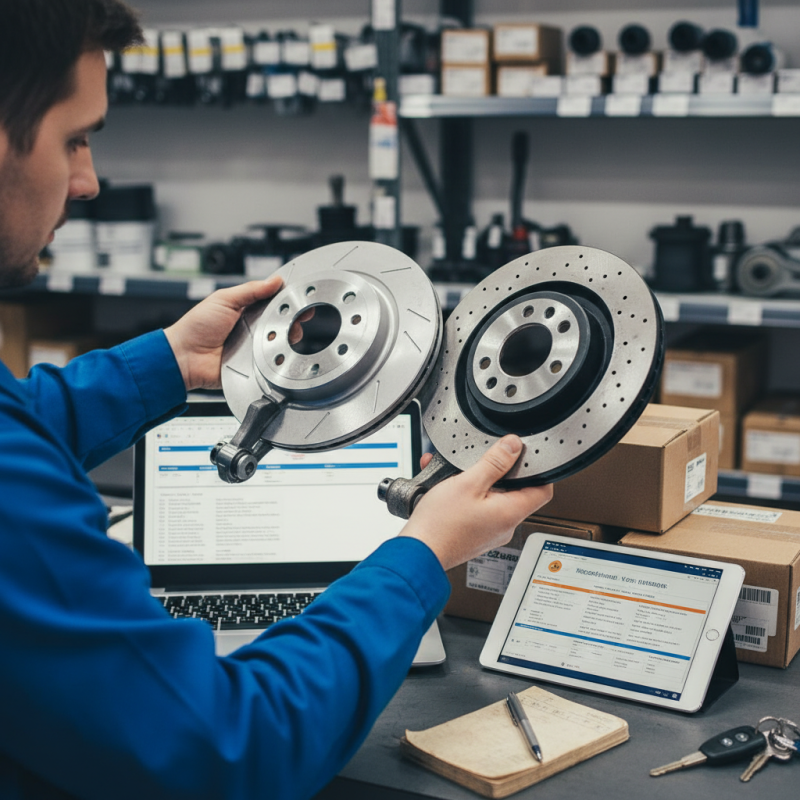
How to Choose Aftermarket Spare Parts for Your Vehicle?

Understanding Aftermarket Spare Parts: An Overview

Aftermarket spare parts are components made by manufacturers other than your vehicle’s original maker. These parts offer a range of options. They can be more affordable than OEM parts, which is appealing to many car owners. For example, a brake pad set might cost far less when sourced from the aftermarket. However, the price shouldn’t be the only factor to consider.

Quality can vary significantly among aftermarket parts. Some manufacturers offer high-quality products that may even exceed OEM standards. However, inferior options exist and might not fit as well or last long. It’s crucial to research and read reviews before purchasing. Additionally, not all aftermarket parts come with a warranty. This could be a risky investment if you face issues later on.

When choosing aftermarket parts, consider how often you drive and what conditions you face. If you drive in extreme weather, quality matters even more. Sometimes, cheaper parts may lead to higher costs down the line. Reflect on your specific needs and don’t rush into a purchase. Making an informed choice can save you both time and money in the end.

Choosing Aftermarket Spare Parts: A Comparison of Features

This chart illustrates the key considerations for choosing aftermarket spare parts for vehicles, focusing on five dimensions: Price, Quality, Warranty, Availability, and Compatibility. Each factor is rated on a scale of 0 to 100, indicating its importance in the decision-making process.

Types of Aftermarket Spare Parts: What's Available?

Aftermarket spare parts come in various types, catering to different needs. You can find replacement parts, performance upgrades, and even styling options. Replacement parts are designed to match OEM specifications. They fit well, but quality may vary. Some parts may not last as long as the originals.

Performance upgrades can enhance your vehicle’s capabilities. Think of improved exhaust systems or high-performance brakes. However, these may affect your vehicle’s warranty. Choose wisely and research the pros and cons.

Styling options allow you to customize your ride. Body kits and alloy wheels are popular choices. They can make your vehicle unique, but ensure they comply with local regulations.

When selecting aftermarket parts, consider compatibility and quality. Not all parts will fit your model correctly. Some may require modification, leading to potential issues later. Focus on reputable suppliers and read customer reviews. A part that seems cheap might end up costing you in the long run. Always prioritize safety and reliability over aesthetics.

Evaluating Quality Standards for Aftermarket Parts

When evaluating aftermarket spare parts, quality is key. Not all parts are created equal. Many options exist, but not every option meets high standards. Attention to certifications is essential. Look for parts that comply with industry benchmarks.

Inspect the materials used in production. Genuine materials often enhance durability. Substandard components may cause issues, leading to more repairs. It’s a gamble if you opt for the cheaper route. Consider the sourcing of the parts. Reliable suppliers often provide better quality and support.

Customer reviews are invaluable resources. They can reveal potential problems or successes from real-world use. Don’t rely solely on specifications. Sometimes, words can be misleading. Engage with knowledgeable professionals if unsure. Trust your instincts; if it feels off, it probably is. Quality aftermarket parts can be a cost-effective choice, but do your research thoroughly.

Cost Considerations: Budgeting for Aftermarket Components

Choosing aftermarket spare parts involves various cost considerations. It’s vital to establish a clear budget before shopping. Often, people underestimate expenses. Parts may seem affordable but can accumulate quickly. Small components, like filters, are inexpensive. However, larger items can be costly. Research the average prices in advance. This helps prevent overspending.

Tip: Always compare prices from multiple suppliers. Prices can vary significantly. Reading reviews can give insight into quality. Budgeting isn’t just about price. Consider quality as well. Low-cost parts might not last long. They could require replacement sooner than expected.

Another point to ponder is warranty coverage. Some aftermarket parts offer limited warranties. Make sure to verify these terms. An inexpensive part with no warranty may lead to higher costs later. Evaluate long-term costs, not just upfront amounts. Balancing budget and quality is tricky. Shopping smart is key to saving money. Take your time to make informed decisions.

Tips for Sourcing Reliable Aftermarket Spare Parts Suppliers

When sourcing aftermarket spare parts, reliability is key. Many suppliers flood the market with options, making choices overwhelming. Researching these suppliers can save you time and money. Look for businesses with positive reviews and a good reputation. Check forums and social media for customer feedback. A well-reviewed supplier often has consistent quality.

Building a relationship with your supplier is crucial. Open communication leads to better service. Discuss your needs and ask questions about sourcing and warranty policies. Sometimes, suppliers offer limited guarantees. It can be frustrating if parts fail soon after installation. A trustworthy supplier will stand by their products.

Check the certifications of your suppliers as well. Make sure they meet industry standards. Inconsistencies can indicate quality issues. Some suppliers cut corners to save costs. You might save money initially, but you may regret it later. Always prioritize quality over price. This can make a significant difference in performance and durability.

FAQS

: What are aftermarket spare parts?

: Aftermarket spare parts are components made by manufacturers other than your vehicle’s original maker.

Why do some car owners choose aftermarket parts?

They can be more affordable than OEM parts, which appeals to many car owners.

Are all aftermarket parts the same quality?

No, quality can vary significantly. Some may exceed OEM standards, while others may not fit well.

Should I consider warranties when buying aftermarket parts?

Yes, not all aftermarket parts come with a warranty. This can be a risky choice later on.

How does driving conditions affect aftermarket part choices?

Driving in extreme weather means quality matters more. Cheaper parts may lead to higher costs later.

What types of aftermarket parts are available?

Options include replacement parts, performance upgrades, and styling products, all catering to different needs.

Can performance upgrades affect my vehicle’s warranty?

Yes, performance upgrades may potentially affect your vehicle’s warranty. Research before making a choice.

What should I focus on when buying aftermarket parts?

Prioritize compatibility and quality. Not all parts fit your model correctly; modifications might be needed.

How can customer reviews help in selecting parts?

Reading reviews helps ensure you choose reputable suppliers. A cheap part might end up costing you later.

What’s important to remember about safety and aesthetics?

Always prioritize safety and reliability over appearance. A flashy part may not be worth the risk.

Conclusion

When it comes to maintaining or upgrading your vehicle, understanding Aftermarket Spare Parts is crucial. These parts, which are manufactured by companies other than the original equipment manufacturer (OEM), offer a variety of options for drivers looking to save on repairs or customize their vehicles. The types of Aftermarket Spare Parts available range from performance enhancements to basic replacements, allowing consumers to choose based on their specific needs.

Evaluating the quality of these parts is essential, as standards can vary significantly. When budgeting for Aftermarket Components, it is important to consider not just the initial cost but also potential long-term savings. Lastly, sourcing reliable suppliers can ensure that the parts you purchase meet necessary quality standards. By taking these factors into account, vehicle owners can make informed decisions on how to effectively choose Aftermarket Spare Parts for their needs.

Liam

Liam

Liam is a dedicated marketing professional with a profound expertise in the industry, where he excels at highlighting the unique advantages of our core products. With a keen understanding of market trends and consumer needs, Liam frequently updates our company’s professional blog, providing......