Komfort Auto Parts Komfort Auto Parts

How to Check Key Factors Before Buying Auto Parts?

Time:2026-08-27 Author:Sienna
0%

When it comes to purchasing auto parts, many buyers feel overwhelmed. The variety of options can be daunting. Buyers often wonder, "What should I check before buying auto parts?" It's essential to have a clear approach to ensure quality and compatibility.

Understanding your vehicle's specifications is crucial. Consult your owner's manual for details. Verify part numbers and compatibility with your model. Doing so minimizes the chances of costly mistakes. It helps you avoid purchasing unnecessary parts that don’t fit.

Quality is another critical factor. Look for reputable brands. Read reviews from other customers. Gather feedback to gauge reliability. Remember, not all cheap parts are worth it. Sometimes, spending a bit more saves you trouble later. Reflect on your options and make informed decisions before making a purchase.
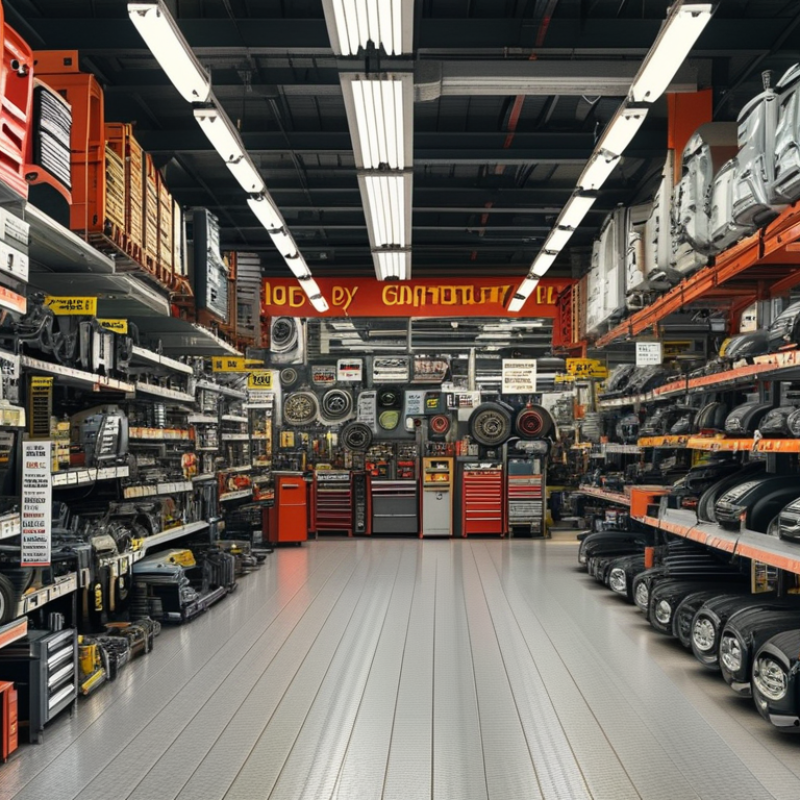
How to Check Key Factors Before Buying Auto Parts?

Understanding Your Vehicle’s Specifications and Requirements

Understanding your vehicle's specifications is crucial before purchasing auto parts. Each vehicle has unique requirements, which can affect performance and safety. Start by checking your owner's manual. It contains essential details about compatible parts. If the manual is missing, you can find information online from reputable automotive websites.

Consider the year, make, and model of your vehicle. These specifics lead you to the right parts. A simple error can result in an incompatible purchase. Verify critical measurements like the size of brakes or engine specifications to minimize potential installation issues.

Inspecting the condition of existing parts is also beneficial. A worn-out component may require replacement, which can lead to confusion about what to buy. Many trust experiences shared by other car owners online. However, individual needs might vary. Relying solely on others can sometimes overlook your unique vehicle conditions. Research extensively, taking time to reflect on each decision you make.

Identifying Quality Standards for Auto Parts

When purchasing auto parts, quality standards play a crucial role in ensuring performance and safety. Begin by examining the materials used in the parts. High-quality parts often feature durable materials that can withstand wear and tear. Look for metal parts with corrosion resistance. Plastic components should be flexible yet sturdy.

Next, evaluate the manufacturing process. Parts made through advanced techniques are generally more reliable. Check for certifications that indicate adherence to industry standards. Familiarize yourself with common certifications. They can be a reliable indicator of quality. Reading reviews can also provide insight into the experiences of other buyers.

Additionally, consider compatibility with your vehicle. Not all parts fit all models, so verify specifications. Mismatched components often lead to inefficiencies. Sometimes, online product descriptions lack details. Therefore, double-check with a professional if in doubt. Investing time in these considerations can lead to better purchasing decisions.

Evaluating the Reputation of Auto Parts Suppliers

When evaluating auto parts suppliers, reputation is key. A recent industry report revealed that 78% of customers prioritize supplier reputation before making a purchase. This means that suppliers with a strong track record can significantly influence buyer decisions. However, many consumers overlook the importance of gathering information about a supplier's history and customer feedback.

Online reviews are essential. Approximately 75% of buyers trust online reviews as much as personal recommendations. Examining these reviews helps identify potential issues. Look for patterns in customer complaints. If many customers mention similar problems, it’s a red flag. Conducting research on the supplier’s background can also reveal their standing within the industry. Memberships in professional organizations often indicate reliability.

It’s not enough to just rely on positive reviews. A report noted that 40% of auto parts buyers experienced issues with their purchases due to poor supplier reliability. Transparency in pricing and return policies is also crucial. Check if the supplier clearly outlines their terms and conditions. Lack of clarity can lead to misunderstandings and dissatisfaction. Always ask questions and seek clarification. This diligent approach can reduce the risks associated with buying auto parts, ensuring a better purchasing experience.

Comparing Prices and Warranty Options

When considering auto parts, price comparison is crucial. Prices can vary significantly among suppliers. Take time to research multiple sources before making a purchase. Often, lower prices may indicate lower quality. However, this is not always the case. Some reputable sellers offer great deals without compromising quality.

Warranty options are equally important. A solid warranty reflects a manufacturer's confidence in their product. Look for warranties that cover both parts and labor. This can provide peace of mind and save money on future repairs. Pay attention to the length and terms of the warranty. Some warranties exist primarily for marketing purposes. It’s wise to read the fine print and know what is covered.

Sometimes, mistakes happen. You may end up buying the wrong part. Research and double-check compatibility with your vehicle. Ask questions if you're unsure about specifications. It's better to take an extra moment than to face unwanted hassles later. Weigh all factors carefully, and remember that not all deals are as straightforward as they appear.

Assessing Compatibility with Existing Components

When assessing compatibility with existing components before buying auto parts, it's essential to take specific details into account. Begin by identifying the make, model, and year of your vehicle. This information is crucial. Different models often have unique specifications. A part that fits one version may not fit another. Carefully cross-reference these details with the parts you consider purchasing.

Measurements matter greatly. Verify dimensions like length, width, and height, especially for components like filters or belts. A discrepancy, even a small one, can render a part unusable. Additionally, examine the connection points and mounting brackets. They determine whether a part can integrate seamlessly with your vehicle.

Sometimes, personal expertise can lead to mistakes. Many enthusiasts assume a part will fit without full verification. Trust may cloud judgment. Therefore, double-check compatibility using reliable resources. Online forums, user reviews, and installation guides often highlight issues others faced. Such reflections can be vital in your decision-making process. Missing these checks may lead to unnecessary returns and wasted time. Compatibility and careful consideration are crucial for a successful purchase.

Key Factors to Consider Before Buying Auto Parts

FAQS

: Why is supplier reputation important when purchasing auto parts?

: Supplier reputation greatly influences buyer decisions. Many customers prioritize this factor before making a purchase.

How do online reviews impact buyer choices?

Most buyers trust online reviews like personal recommendations. They help identify potential supplier issues.

What should I look for in customer feedback?

Look for patterns in complaints. Similar issues mentioned by many indicate possible red flags.

What happens if a supplier lacks clear pricing or return policies?

Lack of clarity can lead to misunderstandings. It may ultimately result in customer dissatisfaction.

How can I ensure compatibility with my vehicle's components?

Identify your vehicle's make, model, and year. This information is critical for a correct fit.

Why are measurements so important when buying auto parts?

Small measurement discrepancies can render a part unusable. Verify dimensions carefully before purchasing.

Can personal expertise lead to mistakes when buying parts?

Yes, trust can cloud judgment. Always double-check compatibility to avoid unnecessary errors.

Where can I find reliable information about parts compatibility?

Use online forums, user reviews, and installation guides. They often highlight important compatibility issues.

What are common pitfalls when assessing part compatibility?

Many assume parts will fit without verification. This oversight can lead to wasted time and returns.

What is a diligent approach to buying auto parts?

Research thoroughly. Ask questions, verify details, and consider customer feedback for a safer purchase.

Conclusion

When considering how to ensure a wise investment in auto parts, it is essential to understand specific vehicle specifications and requirements. This includes knowing the make, model, and year of your vehicle to identify the appropriate parts suited for it. Quality standards are another crucial aspect; verifying that parts meet industry benchmarks will enhance performance and safety. Moreover, evaluating the reputation of auto parts suppliers can provide insights into reliability and customer service.

Additionally, comparing prices and warranty options allows you to find the best deals while offering protection against potential defects. Finally, confirming compatibility with existing components is vital to prevent any installation issues. In summarizing the question, "What should I check before buying auto parts," it becomes evident that thorough research across these areas will lead to a satisfactory purchasing decision.

Sienna

Sienna

Sienna is a skilled marketing professional with a deep expertise in our company’s core products and services. With a passion for innovation and detail, she plays a pivotal role in crafting insightful blog posts that not only highlight the unique features of our offerings but also provide valuable......