 Komfort Auto Parts
Komfort Auto Parts
Komfort Auto Parts
Car parts endure a significant amount of wear and tear throughout their lifespan. Understanding "what causes car parts to wear out fast" is essential for car owners. According to Dr. Amy Tran, a mechanical engineer, “Heat, friction, and poor maintenance are major contributors to premature wear.” These factors can lead to costly repairs and diminished vehicle performance.
Many car owners overlook the importance of regular maintenance. Skipping oil changes or neglecting tire rotations can accelerate the wear of crucial components. For instance, worn-out brake pads not only affect stopping power but can damage rotors. This cascade of issues reflects how interconnected these parts are.
Furthermore, driving habits play a vital role. Aggressive acceleration and sudden braking create added stress on various parts. This situation raises a critical question: Are you aware of how your driving style impacts your vehicle's longevity? Awareness of these factors can guide better maintenance decisions.
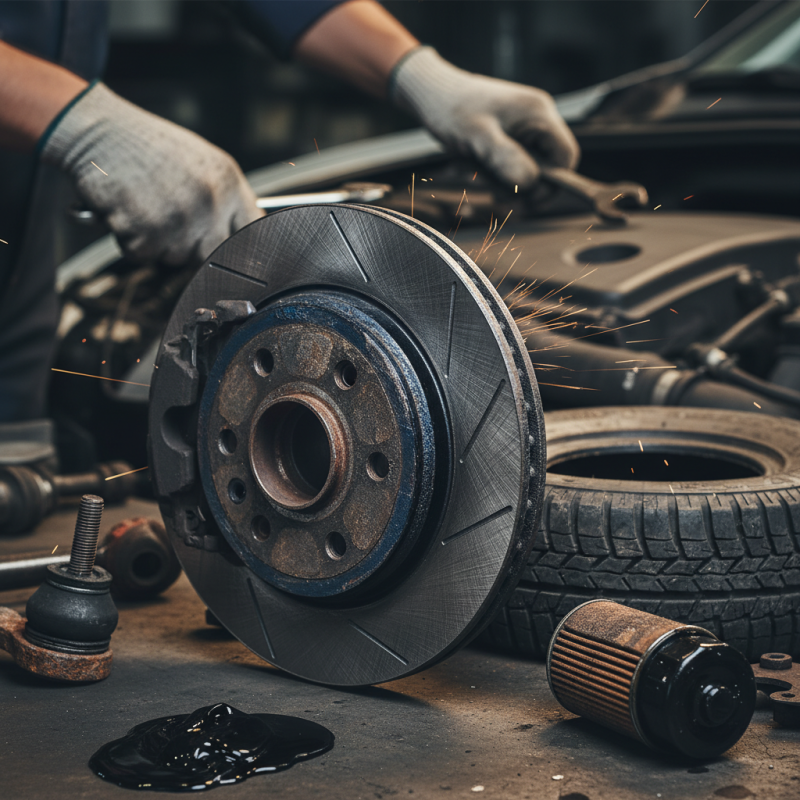
Car parts undergo rapid wear due to several key factors. One of the most significant is driving habits. Aggressive acceleration and sudden braking increase stress on components. For instance, frequent hard braking can severely diminish brake pads and rotors. Over time, this inefficient driving approach leads to premature failures. Additionally, city driving often involves stop-and-go traffic, which accelerates wear compared to smoother highway journeys.
Environmental conditions also play a vital role in the lifespan of car parts. For example, extreme temperatures can affect engine oils, causing them to degrade faster. Similarly, exposure to road salt in winter can lead to corrosion of metal parts. The quality of roads can exacerbate wear too. Potholes and uneven surfaces create additional strain on suspension systems. It’s essential to recognize these factors and adjust vehicle maintenance accordingly. Regular inspections can help detect wear before it leads to costly repairs. However, many car owners overlook these crucial checks, leading to avoidable issues.
| Car Part | Common Causes of Wear | Signs of Wear | Recommended Maintenance |
|---|---|---|---|
| Brake Pads | Frequent hard braking, poor quality materials | Squeaking noises, longer stopping distance | Regular inspections, replace every 30,000 miles |
| Tires | Improper alignment, under-inflation | Uneven tread wear, vibrations while driving | Check pressure monthly, rotate every 5,000 miles |
| Engine Oil | High temperatures, contamination | Loud engine noise, oily sludge in engine | Change every 5,000 miles, use high-quality oil |
| Battery | Extreme temperatures, lack of maintenance | Dimming lights, engine slow to start | Clean terminals regularly, check every 6 months |
| Wiper Blades | Exposure to sunlight, dust accumulation | Streaking, skipping during wipe | Replace every 6-12 months, clean regularly |
: Urban driving increases wear on brakes. Brake pads can wear out 30% faster compared to highway driving.
Extreme heat or cold can deteriorate parts quickly. Heavy snowfall leads to corrosion from road salt.
Off-road driving adds strain to suspension parts. They may need replacement after just one year of use.
Regular maintenance can prolong car part lifespan. Simple checks help prevent accelerated wear.
Neglecting oil changes leads to engine wear. Degraded oil causes increased friction and can cause damage.
Checking tire pressure prevents uneven wear. Low pressure can lead to quick degradation or even blowouts.
Proactive inspections help identify issues early. Ignoring maintenance can lead to unexpected failures.
Yes, overlooking maintenance often results in costly replacements. A little attention now saves money later.
Many drivers overlook simple checks that lead to faster wear. Regular tasks are often ignored because of busy lives.
Driving on rough terrain stresses car parts significantly. It increases the likelihood of needing replacements sooner than expected.
The article "Why Do Car Parts Wear Out Fast Causes Explained?" delves into the various factors contributing to the rapid wear of car components. Understanding what causes car parts to wear out fast involves recognizing the impact of driving conditions, such as road quality and driving habits. These factors can significantly reduce the lifespan of essential parts.
Additionally, regular maintenance and timely inspections play a crucial role in preventing excessive wear. Car owners are advised to stay vigilant about common parts prone to rapid degradation, such as brakes and tires, as well as the importance of selecting quality replacements. Overall, informed choices regarding driving practices and parts can enhance vehicle performance and longevity.
