 Komfort Auto Parts
Komfort Auto Parts
Komfort Auto Parts
Car trouble rarely begins with smoke or a dramatic breakdown. It may start with a slow crank, a flickering dashboard light, or a faint fuel smell near the garage. For many drivers, recognizing those clues early can prevent a roadside emergency and an expensive repair. AAA’s 2023 Your Driving Costs report estimated average new-vehicle ownership at $12,182 annually, making basic diagnosis a practical financial skill. AAA roadside-assistance reports also consistently identify dead batteries, flat tires, and lockouts among the most common service calls.
This guide explains How to diagnose car problems without tools by using observation, sound, smell, and simple driving behavior. A weak battery often produces a clicking noise and dim interior lights. Low tire pressure may create uneven steering or a soft pull. A sweet smell can suggest coolant, while a sharp burnt odor deserves immediate attention. These clues are useful, but they are not proof.
The National Highway Traffic Safety Administration advises drivers to respond seriously to warning indicators and vehicle changes. A warning light that disappears may still deserve inspection. That detail is easy to miss. Modern cars store electronic faults that cannot be confirmed without a scanner. Therefore, this five-method approach supports early judgment, not professional replacement. Stop driving when braking, steering, overheating, or fuel-system problems appear. Personal experience can help notice patterns, but assumptions can also mislead. A cautious diagnosis is safer than a confident guess.
A car often reports trouble before a warning light appears. Listen during startup, idle, acceleration, braking, and turning. Record when the sound happens, not just how loud it seems.
A sharp click while turning can suggest a worn joint or loose component. A deep knock during acceleration deserves immediate professional attention. Grinding while braking may indicate severely worn friction material. A high squeal can come from a slipping belt, although moisture sometimes causes it briefly. Do not ignore new vibrations. I once dismissed a faint humming noise as tire noise, and it became much harder to identify later.
Smells provide another useful clue. A sweet scent inside the cabin may point toward a coolant leak. Burning rubber can come from a slipping belt or overheated material. A sharp electrical odor requires stopping safely and switching off the engine. Fuel smell is never normal, especially inside the cabin. Check for visible leaks only when the engine is cool. Never touch hot components or crawl beneath an unsupported vehicle. A phone recording and written notes can help a technician, but they cannot replace inspection. My judgment can be wrong, especially when several noises overlap. When smoke, strong fuel odor, overheating, or brake failure appears, stop driving and arrange qualified assistance.
Park on level ground and let the engine cool. Compare levels with the marked range. Low oil or coolant may indicate leaks. Do not open a hot coolant cap.
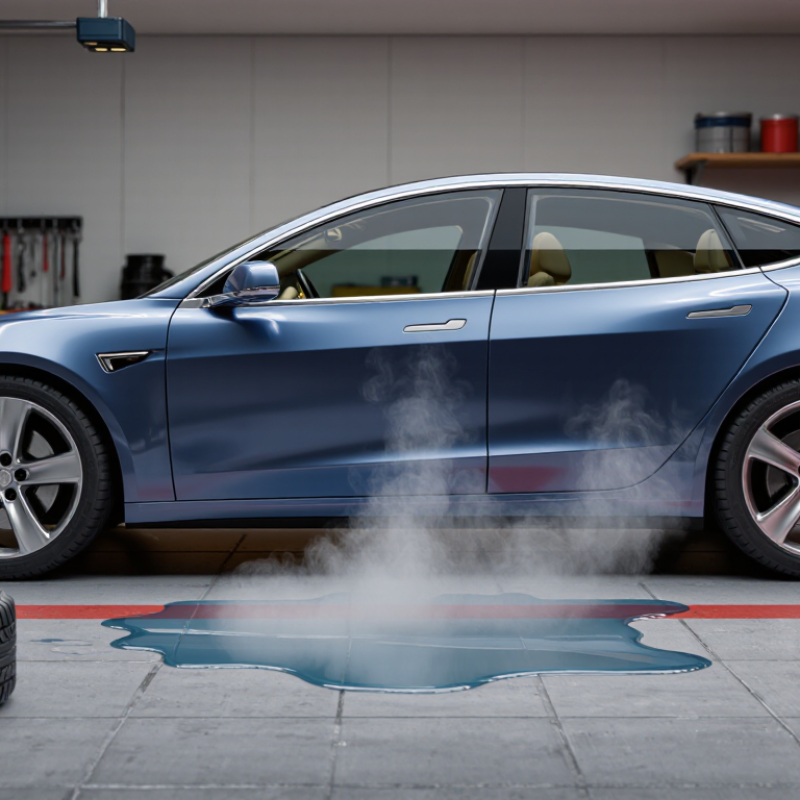
Clear water near the front may be normal condensation. Brown, red, green, or oily stains need closer inspection. Color is only a clue. Smell and location matter too.
Use a flashlight to check belts, hoses, wiring, and the battery case. Look for cracks, swelling, fraying, or loose connections. Check tires for bulges or exposed cords. Do not drive on visibly damaged tires.
Turn on the interior light with the engine off. A weak, yellowish glow may suggest low battery power. Slow cranking also matters. Cold weather can create similar signs, so observation is not proof.
Test headlights, brake lights, indicators, and reverse lights in a shaded area. Ask another person to watch. Try the horn, windows, cabin fan, and central locking. Several weak functions may suggest a power-supply problem.
Note whether it happens during startup, acceleration, braking, or turning. Record the weather, engine temperature, and recent changes. Write it down. These details can separate similar symptoms.
Clicking during startup may suggest low battery power. A speed-related squeal may indicate a belt problem. A sweet smell may indicate coolant. Heavy steering, a soft brake pedal, or sideways pulling requires caution.
Stop if you see smoke, smell burning, lose braking power, or notice damaged wiring. If a fluid level falls again, stop guessing. A qualified technician can confirm hidden faults safely. I once ignored a small wet patch, and that delayed a hose repair.
Learning how to diagnose car problems without tools starts with paying close attention to changes in the vehicle. Unusual sounds, burning or sweet smells, warning lights, fluid levels, leaks, and visible damage can provide important clues. Observe whether the battery seems weak, lights appear dim, or electrical features work inconsistently. These simple checks may help reveal a developing issue before it becomes more serious.
You should also examine the tires for uneven wear, low pressure, or damage, while noticing changes in steering, braking, suspension, or the smoothness of the ride. A careful step-by-step process makes diagnosis easier: first identify what changed, then note when it happens, inspect the most related areas, and compare the symptoms. Although observation cannot replace professional testing, it can help you describe the problem clearly and decide whether the vehicle should be inspected promptly.
