Komfort Auto Parts
Choosing replacement parts can feel like comparing identical metal boxes. Their prices may differ, but their performance rarely does. This guide explores “Why is original parts better for cars” through seven practical reasons, including precise fit, tested materials, safety, durability, warranty support, resale value, and reliable vehicle performance. An original part is designed for a specific model, engine, and production system. That precision matters when a brake pad meets a rotor at highway speed.
Richard Reina, an automotive technical expert and Product Training Director at CARiD, explains the principle clearly: “The correct replacement part should restore the vehicle to its original operating condition.” His point reflects workshop experience. A genuine sensor can communicate correctly with the car’s computer, while a cheaper alternative may trigger warning lights or uneven fuel readings. Small errors can create large repair bills.
Original parts are not automatically perfect. They can cost more, and availability may occasionally frustrate owners. Some aftermarket components perform exceptionally well. That deserves honest consideration. Still, original parts provide a stronger connection between the manufacturer’s design, engineering tests, and repair instructions. They also reduce guesswork for technicians, especially during complex electrical or safety-related repairs.
Look closely at the details. A correctly shaped seal sits evenly. A matching filter locks into place. A factory brake component responds predictably in wet weather. These moments are easy to overlook, yet they shape long-term ownership. The following seven reasons will help drivers judge value beyond the receipt, while recognizing that the best choice depends on the vehicle, part, budget, and qualified professional advice.
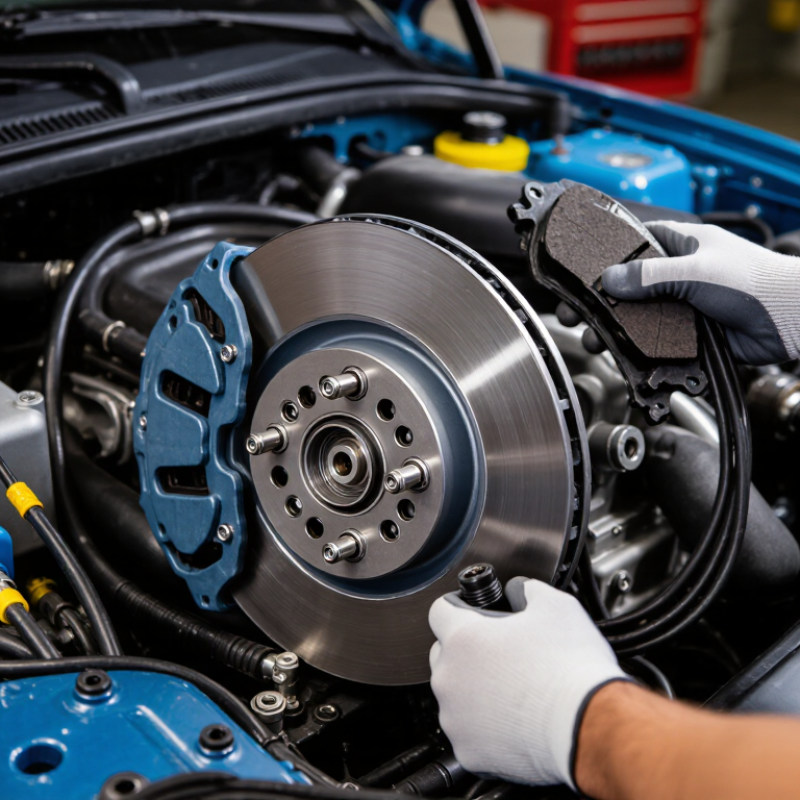
Original car parts are components made to the vehicle’s original design and performance requirements. They match the specifications used during factory assembly. This usually includes precise dimensions, materials, electrical connections, and safety tolerances. In practical terms, a replacement brake pad should fit the caliper without forcing it. A sensor should connect cleanly and communicate correctly with the vehicle’s control system.
Aftermarket parts come from independent manufacturers. Some are affordable and reliable. Others may use different materials or looser production tolerances. I have seen a small fitment difference create annoying vibration, uneven wear, or repeated warning lights.
Yet original parts are not automatically perfect. They can cost more, and availability may be slower. A careful comparison still matters.
Check the part number, production details, warranty, and return policy before buying. A trusted repair professional can also confirm compatibility using the vehicle identification number. This is especially important for airbags, steering components, braking systems, and electronic modules. Original parts often provide predictable fit and documented quality, which can reduce installation time. However, a well-tested aftermarket part may suit an older car or a limited budget. The honest choice depends on the component, driving conditions, and repair history. That judgment takes more than a low price.
When I inspect a vehicle, I often notice how one small component affects several systems. Original parts are designed around the vehicle’s exact dimensions, materials, and electronic requirements. That fit matters. A correctly shaped seal can prevent moisture from reaching a sensor. A properly calibrated filter can support steady airflow and fuel efficiency.
During routine repairs, genuine parts usually connect with existing brackets, wiring, and software more predictably. Their specifications match the vehicle’s operating temperatures and pressure limits. This compatibility can reduce vibration, warning lights, uneven wear, and repeated adjustments. I have seen an incorrect suspension component create steering noise within weeks. The part looked nearly identical, but its hardness and mounting angle were different.
Still, original parts are not automatically perfect. Installation errors can damage even a high-quality component. Maintenance history also changes performance. A genuine battery may struggle if charging faults remain unresolved. Careful diagnosis should come before replacement. Technicians can compare measurements, service records, and fault codes instead of guessing. That process protects reliability and helps confirm whether the selected part truly suits the vehicle. Good parts reduce guesswork. Yet I would still question any repair that ignores the car’s age, driving conditions, or previous modifications.
When a car needs a replacement part, safety should matter more than a tempting low price. Original parts are designed for the vehicle’s exact systems, dimensions, and operating conditions. That precise fit helps braking components respond evenly and allows sensors to read correctly. Even a small mismatch can affect steering feel, warning signals, or airbag performance.
In my workshop experience, original parts usually require fewer adjustments during installation. Their materials also match the vehicle’s expected heat, pressure, and vibration levels. A properly matched seal can prevent fluid leaks near a hot engine. A correctly calibrated sensor can support stable engine performance and safer driver assistance. These details are easy to overlook.
Long-term reliability is not only about how a part works today. It includes how it performs after months of rain, cold starts, road salt, and heavy traffic. Original parts often come with documented specifications and testing procedures, which makes inspection more dependable. I once underestimated the cost of a cheaper substitute; repeated fitting work made the repair more expensive. That experience still influences my recommendations. No part lasts forever, though. Maintenance habits, installation quality, and driving conditions remain important. A reliable part cannot correct every neglected service.
Original Parts Protect Quality and Warranty Confidence
Manufacturer standards give original car parts a clear starting point. They are designed around the vehicle’s exact dimensions, software, materials, and safety requirements. This precise fit can reduce vibration, leaks, warning lights, and repeated repairs. It also supports smoother installation for trained technicians.
There are seven practical advantages. Original parts usually offer verified compatibility, consistent materials, tested performance, accurate calibration, documented traceability, stronger warranty support, and better resale confidence. In a workshop, these benefits are visible. A sensor connects correctly. A brake component sits firmly. A filter seals without forcing the housing. Small details matter.
Warranty protection depends on evidence. Receipts, part numbers, installation records, and service dates can help prove proper maintenance. Manufacturer testing also gives repairers useful technical guidance when a fault appears. Still, original parts are not magic. Poor installation, neglected maintenance, or harsh driving can damage even a correctly specified component. That deserves honest attention. Some approved alternatives may perform well, but their standards and warranty terms require careful checking. In my experience, technicians save time when they compare the old part, confirm the vehicle code, and follow the published fitting procedure. A hurried installation can weaken the quality advantage. Manufacturer standards support confidence, yet reliable results depend on both the part and the person fitting it.
| No. | Key Reason | Manufacturer Standard or Practice | Benefit of an Original Part | Warranty and Ownership Impact | Quality Confidence |
|---|---|---|---|---|---|
| 1 | Exact fit and compatibility | Designed around the vehicle’s original dimensions, interfaces, software requirements, and installation procedures. | Reduces fitting problems, clearance conflicts, connector mismatches, and the need for modifications. | Lower risk of installation-related failures that may lead to disputes over repair coverage. | Very high |
| 2 | Consistent material quality | Parts are produced to documented material, dimensional, and process specifications used during vehicle development. | Provides more predictable strength, corrosion resistance, heat tolerance, and service performance. | Consistent quality can reduce premature replacement and unexpected maintenance costs. | High |
| 3 | Vehicle-system integration | Validated as part of the complete vehicle system, including electronic control units, sensors, braking, steering, and emissions systems. | Helps preserve correct communication, calibration, warning-light behavior, and system response. | Supports documented repair procedures and reduces the chance of secondary system faults. | Very high |
| 4 | Safety validation | Safety-related components are developed against applicable vehicle regulations and engineering validation requirements. | Maintains intended performance for braking, restraint, steering, lighting, and other safety-critical functions. | Provides stronger documentation when safety-related repairs are inspected or reviewed. | Very high |
| 5 | Traceability and authenticity | Genuine parts normally include catalog references, batch or production information, and approved distribution records. | Makes it easier to verify the correct application and investigate a defective part. | Clear records support warranty claims, recalls, service history, and future resale documentation. | High |
| 6 | Documented warranty support | Warranty terms, exclusions, and installation requirements are usually defined by the vehicle or parts supplier and vary by market. | Creates a clearer path for approved replacement, technical assistance, and defect evaluation. | May simplify claim processing, although coverage depends on local law, warranty terms, and correct installation. | High |
| 7 | Long-term operating value | Service parts are selected to maintain the vehicle’s intended operating characteristics over its designed service life. | Can help preserve reliability, fuel or energy efficiency, drivability, noise control, and resale confidence. | A correct part may reduce repeat repairs and help maintain complete maintenance records. | High |
Note: Warranty coverage and replacement-part requirements differ by vehicle, component, country, and warranty contract. Always follow the applicable service instructions and legal requirements.
When choosing original parts, car owners often gain more value than a lower purchase price suggests. In my repair experience, correct fit is the first advantage. The part usually matches the vehicle’s measurements, connectors, and operating limits. That can reduce installation time and prevent repeated visits to a workshop.
Original parts also support safer braking, steering, lighting, and engine performance. Their materials are tested for specific temperatures, pressure, and vibration. They can protect fuel efficiency and reduce unusual wear on nearby components. A reliable part may also preserve diagnostic accuracy, because modern vehicles depend on precise electronic communication. Better durability is another benefit. Replacing one part less often can lower long-term ownership costs. Service records may also appear more credible when repairs use properly matched components.
Tips: Compare the part number with your vehicle’s service record. Ask a qualified technician to confirm compatibility. Keep the invoice and installation date. Do not choose solely by price. I once accepted a cheaper substitute, and its loose connector caused an intermittent warning light. That mistake cost more time than expected. Still, original parts are not automatically the best answer in every case. Age, availability, and the repairer’s judgment matter. Verify the warranty terms, inspect the packaging, and check whether the part suits the exact engine and production year. Small details matter.
Original parts follow the vehicle’s factory dimensions, materials, connections, and safety requirements. They should fit brackets, wiring, and control systems more predictably. Fit matters.
Aftermarket parts come from independent manufacturers. Some perform reliably and cost less, while others may have different materials or looser tolerances. Quality varies.
Not always. Original parts usually offer predictable compatibility, but installation mistakes or unresolved faults can still cause poor performance. The part alone is not enough.
A small mismatch can create vibration, uneven wear, warning lights, or repeated adjustments. For example, an incorrect suspension component may cause steering noise within weeks.
Yes, a well-tested aftermarket part may suit an older vehicle or a limited budget. Check its measurements, warranty, return policy, and repair history carefully.
Check braking parts, steering components, airbags, sensors, and electronic modules closely. These parts must match the vehicle’s specifications and operating requirements.
Compare the part number, production details, dimensions, and vehicle identification number. A qualified repair professional can also check fault codes and service records.
No. A replacement battery may still struggle when charging faults remain unresolved. Diagnosis comes first. I would question any repair based only on a low price.
Consider the component’s safety role, vehicle age, driving conditions, repair history, warranty, and total cost. A cheaper choice may create more labor later.
Original car parts are components made or approved by the vehicle’s manufacturer for a specific model. Unlike many aftermarket alternatives, they are designed to match the car’s original specifications, dimensions, materials, and electronic systems. This precise compatibility can support smoother installation, dependable performance, and better communication between connected vehicle components. When asking, “Why is original parts better for cars,” the answer includes their consistent fit, tested quality, and ability to preserve the driving characteristics intended by the manufacturer.
Original parts can also provide stronger safety and long-term reliability because they are developed and tested according to established manufacturer standards. Their use may help reduce premature wear, unexpected failures, and compatibility concerns. In addition, they are often supported by clearer warranty protection and professional service guidance. Although they may cost more initially than some alternatives, their durability, dependable performance, and reduced risk of repeated repairs can offer greater overall value for car owners over time.
